Top Tips for Choosing the Right Clamp Saddle for Your Needs
Choosing the right Clamp Saddle is crucial for ensuring effective pipe support and installation. A recent industry report highlighted that improper selection can lead to significant failures, costing companies thousands in repairs. In fact, over 30% of system failures trace back to inadequate support systems. Therefore, understanding your specific needs is vital.
Clamp Saddles come in various sizes and materials. The choice depends on factors like pipe material, fluid type, and environmental conditions. For instance, a plastic Clamp Saddle may work well for non-corrosive applications, while a stainless steel option is better for harsh environments. This decision can impact durability and maintenance requirements.
While selecting, consider the load-bearing capacity of your Clamp Saddle. Overestimating or underestimating can lead to disastrous consequences. It’s essential to review manufacturer specifications and consult industry experts when uncertain. Many users overlook this step, resulting in unexpected issues. Prioritizing quality and compatibility is non-negotiable for project success.
Essential Factors to Consider When Selecting Clamp Saddles for Projects
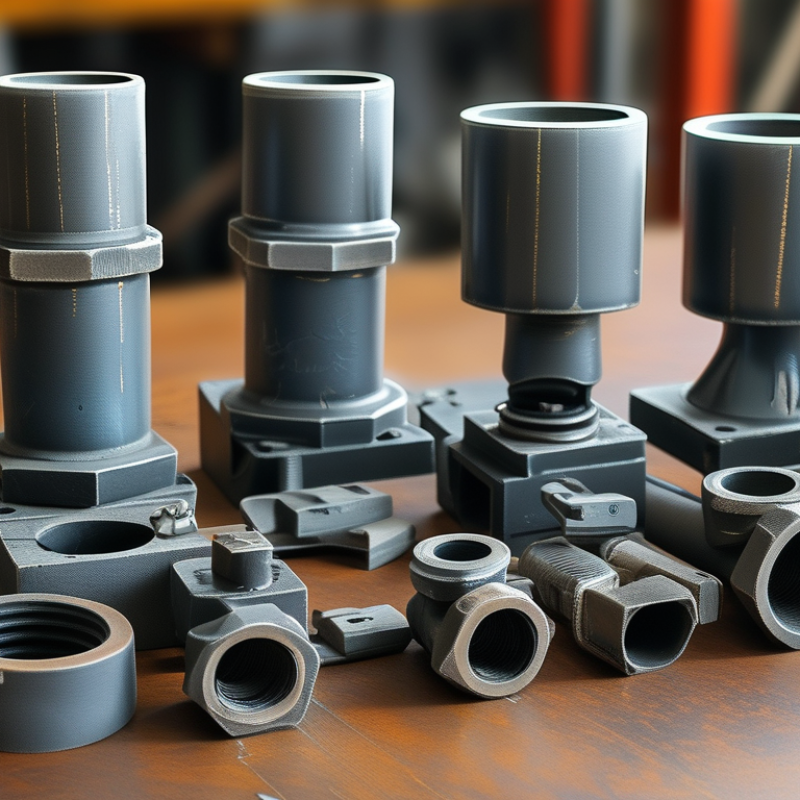
When selecting clamp saddles for your projects, consider the material. Different materials offer varying levels of durability, flexibility, and resistance to environmental factors. Stainless steel may be ideal for outdoor projects due to its corrosion resistance. PVC, on the other hand, is lightweight and can be suitable for indoor use. Understanding your project’s specific needs helps you make an informed choice.
Evaluate the size of the clamp saddle. Measurement is crucial. A saddle that is too small may not provide secure support, while one that is too large can cause instability. Check the specifications of the pipes or structures you are working with. This prevents issues during installation and ensures a proper fit.
Don’t overlook the clamp saddle's design features. Some saddles include additional functionalities like built-in cushioning or reinforcement. These elements can enhance performance. However, be cautious about over-engineering; sometimes simpler solutions work best. Be ready to adapt your choice based on project demands.
Understanding Different Types of Clamp Saddles and Their Applications
When selecting a clamp saddle, understanding the types available is essential. There are a few main types of clamp saddles, each designed for specific applications. Standard clamp saddles work well for general purposes, ensuring a tight grip on various materials. In contrast, V-clamp saddles are specialized for holding pipes at an angle, ensuring a secure fit without slipping.
Another option is the heavy-duty clamp saddle. This version is best for more demanding tasks. It can support larger loads and withstand harsh environments. However, choosing the right one isn’t always straightforward. Users might overlook the material compatibility. This oversight can lead to failure in high-stress situations.
It’s also important to consider the size and shape of the items being clamped. Improper sizing can cause instability. Learning from experience helps avoid these common pitfalls. Conversations with professionals can provide insights into which saddle works best for various scenarios. By examining these details closely, users can improve their outcomes significantly.
Top Tips for Choosing the Right Clamp Saddle for Your Needs
| Type of Clamp Saddle | Material | Diameter Range (inches) | Typical Applications |
| Standard Clamp Saddle | Steel | 1.5 - 12 | Pipelines, Hoses |
| Heavy-Duty Clamp Saddle | Stainless Steel | 2 - 16 | Industrial Equipment |
| Plastic Clamp Saddle | Polypropylene | 0.5 - 4 | Low-Pressure Systems |
| Adjustable Clamp Saddle | Aluminum | 1 - 10 | Custom Installations |
Evaluating Material Choices for Durability and Resistance in Clamp Saddles
Choosing the right clamp saddle involves careful consideration of the materials used. Different materials provide varying levels of durability and resistance. For instance, stainless steel is often chosen for its corrosion resistance. In environments prone to moisture, this material performs exceptionally well, with an average lifespan extending upwards of 20 years. However, it is essential to note that over time, even stainless steel can show signs of wear if exposed to harsh chemicals.
Another popular material is nylon, known for its lightweight and flexible properties. According to a 2022 report, nylon clamp saddles resist UV radiation well, making them suitable for outdoor applications. However, they may not perform as well in high-pressure situations, which can raise potential concerns for some users. Not all applications work well with nylon, leading to a need for careful evaluation.
Selecting the right material also means understanding specific requirements. Some applications benefit from high-temperature resistance, while others may focus on chemical compatibility. This diversity leads to confusion. Users often report difficulty in judging material suitability. It's essential to consider these factors in the decision-making process to ensure the clamp saddle meets unique needs effectively.
Impact of Size and Fit on Functionality of Clamp Saddles in Installations
Choosing the right clamp saddle is crucial for any installation project. Size and fit significantly impact the functionality of the saddle. If the clamp saddle is too small, it can create an improper seal. This leads to leaks and potential damage. On the other hand, a saddle that is too large may not provide enough support. This imbalance can compromise the integrity of the installation.
The material of the clamp saddle also plays a role in its effectiveness. Different projects may require various materials to withstand specific environmental conditions. A well-fitted saddle ensures even weight distribution. This factor helps prolong the lifespan of both the saddle and the connected components. However, sometimes it’s easy to overlook these details. Misjudging fit can lead to costly reinstallation.
It's worth noting that not all situations require the same type of clamp saddle. While some tasks may seem straightforward, they often require careful measurement. Rushing the selection process might leave you with more questions than answers. Taking time to evaluate size and fit is essential for an effective installation.
Key Industry Standards and Regulations for Clamp Saddle Selection
When selecting a clamp saddle, understanding industry standards is crucial. Various standards ensure that the clamps meet specific safety and efficiency criteria. The most common standards include ASTM, ISO, and ASME. These guidelines provide benchmarks for material quality, dimensions, and performance characteristics.
Key regulations dictate the materials used in production. For instance, certain applications require corrosion-resistant materials to enhance longevity. Compliance with these standards reduces the risk of failures and ensures optimal performance. It's essential to review any relevant certifications before making a decision.
Tips for selecting the right clamp saddle include assessing your specific application needs. Consider factors such as diameter, pressure ratings, and environmental conditions. It’s also wise to evaluate the installation process to ensure ease of use. A clamp saddle may look functional but could fall short if it doesn’t align with your project requirements. Regularly revisiting these selection criteria can prevent future issues and promote better outcomes.





