How to Choose the Right Ceramic Catalytic Converter for Your Needs?
Choosing the right Ceramic Catalytic Converter is essential for vehicle performance and emissions control. Expert Jane Smith, a renowned automotive engineer, emphasizes, “Selecting the right converter can significantly impact your vehicle's efficiency.” The right choice can enhance your car’s longevity and reduce environmental harm.
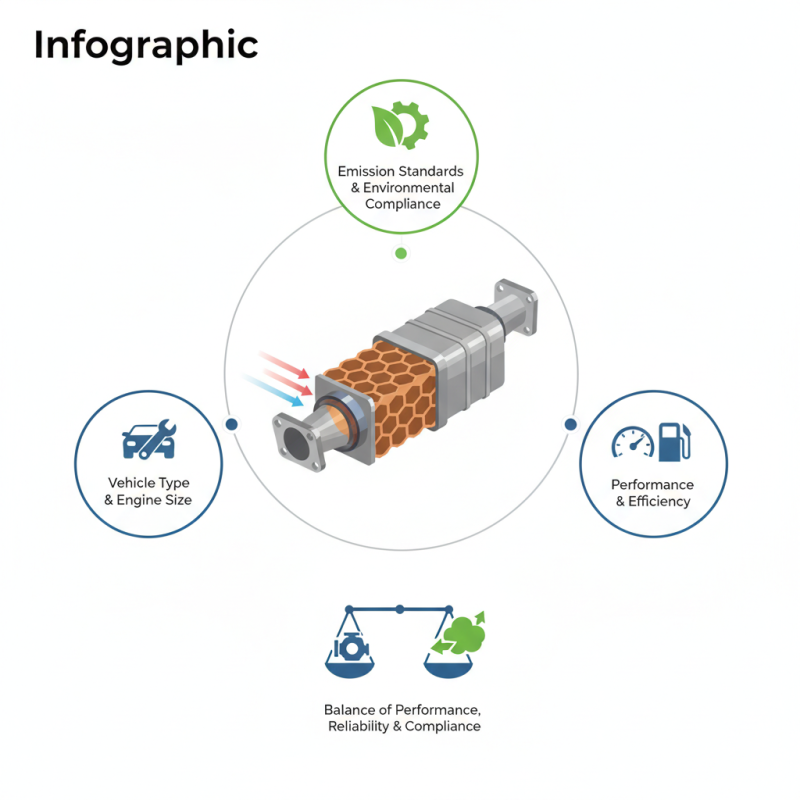
Ceramic Catalytic Converters play a vital role in reducing harmful emissions. They transform toxic gases into less harmful substances. Evaluating your needs is crucial. Consider factors such as vehicle type, engine size, and emission standards. These details will guide your decision-making.
Misunderstandings often arise regarding the quality and compatibility of different converters. It's not just about cost. A cheaper converter might not meet regulations or function well. Ensure the converter you choose aligns with both manufacturer specifications and environmental laws. The right Ceramic Catalytic Converter is a balance of performance, reliability, and compliance.
Understanding the Basics of Ceramic Catalytic Converters
Ceramic catalytic converters are crucial in reducing harmful emissions from vehicles. They operate by converting toxic gases into less harmful substances. Understanding their core function can help you make informed choices.
These converters are made from a ceramic substrate that supports a catalyst layer. The catalyst typically contains precious metals, enabling chemical reactions. Over time, ceramic materials can degrade, leading to reduced efficiency. Factors like temperature fluctuations and exposure to contaminants can affect durability. Regular inspection is essential to ensure optimal performance.
Selecting the right ceramic catalytic converter requires careful consideration. Pay attention to your vehicle's specifications and emission standards. Not all converters fit every vehicle type. Researching your needs and consulting experts can guide your decision. Sometimes, emotional aspects, like eco-friendliness, also come into play. Balancing performance, cost, and environmental impact can be challenging. Strive to find a solution that suits your values and needs.
Identifying Your Vehicle's Exhaust Needs and Requirements
When it comes to choosing a ceramic catalytic converter, understanding your vehicle's exhaust needs is essential. Your car's make, model, and engine size all play a crucial role in determining which converter will function best. Each exhaust system has unique requirements based on emissions regulations and performance goals. Ignoring these specifics can lead to reduced efficiency or even damage.
Tips: Check your vehicle's manual. It often contains valuable information about compatible components. Mix-ups can occur when selecting converters. Be wary of oversizing or undersizing parts, as this can affect your engine's performance. Consider consulting with an automotive expert if you are unsure.
Next, assess your desired outcomes. Are you looking for better fuel efficiency, enhanced performance, or compliance with regulations? Knowing your priorities can help guide your choice. It’s easy to get swayed by marketing claims. Look for real-world data to support any claims about performance improvements. Sometimes, a simple upgrade may suffice, rather than an entirely new system.
Tips: Research environmental standards relevant to your location. Meeting these requirements is essential for both legality and functionality. Take your time to weigh the pros and cons of each option. In the end, the right catalyst is not only about choice but also about careful consideration of your vehicle's overall needs.
Evaluating Different Types of Ceramic Catalytic Converters
When evaluating different types of ceramic catalytic converters, consider their construction and efficiency. Ceramic converters typically use a honeycomb structure, which increases surface area. This design enhances their ability to catalyze reactions, converting harmful emissions effectively. According to industry reports, high-performance ceramic converters can reduce harmful emissions by up to 90%.
Tips: Assess your specific emission needs. Compare physical dimensions and flow rates to ensure proper fitment and performance.
Ceramic materials used can vary significantly. Some are designed for high-temperature applications, while others focus on durability. Understanding these specifications is vital. Reports indicate that converters with premium ceramics often last longer and maintain efficiency better under extreme conditions. However, they may come with a higher price tag, leading to tough decisions.
Tips: Always consult installation professionals to ensure compatibility. Regular maintenance can also extend the life of your converter.
Comparison of Different Types of Ceramic Catalytic Converters
This chart presents a comparison of different types of ceramic catalytic converters in terms of their emissions reduction capabilities. Type C is shown to provide the highest reduction percentage, making it an excellent choice for environmental compliance.
Comparing Performance Metrics for Optimal Efficiency
When selecting a ceramic catalytic converter, consider key performance metrics. Efficiency is driven by the converter's ability to reduce harmful emissions. Not all converters perform equally. Some are designed for high-performance vehicles, while others suit everyday models. Explore how different designs impact your vehicle’s efficiency.
Look closely at flow rates. A converter with higher flow rates often provides better engine performance. However, this can lead to increased emissions. Balancing power and sustainability is crucial. Installation plays a role too; a poorly fitted converter may underperform. Evaluate fitment compatibility with your vehicle's exhaust system.
Examine the durability factors, including heat resistance. Some converters degrade quickly under extreme conditions. This can lead to further emissions issues. The materials used in manufacturing impact longevity. Always seek converters that offer reasonable warranties. Reflecting on all these details helps you make an informed choice. Take time to explore options thoroughly.
How to Choose the Right Ceramic Catalytic Converter for Your Needs?
| Model | Flow Rate (CFM) | Efficiency (%) | Temperature Resistance (°C) | Weight (lbs) | Price Range ($) |
| Model A | 350 | 95 | 900 | 5.5 | 150 - 200 |
| Model B | 300 | 90 | 850 | 6.0 | 120 - 180 |
| Model C | 400 | 92 | 950 | 4.8 | 160 - 210 |
| Model D | 320 | 88 | 820 | 7.2 | 130 - 190 |
Considering Installation and Maintenance Factors
Choosing the right ceramic catalytic converter involves more than just performance. The installation process can be tricky. Proper alignment and securing are crucial. An improperly installed converter can lead to engine issues. Attention to detail during installation cannot be overstated.
Maintenance is another significant factor. Regular checks and cleanings can extend the life of your catalytic converter. However, many overlook these tasks. It’s recommended to inspect for cracks or clogs every few months. A clogged converter can affect vehicle performance badly. Ignoring it may lead to costly repairs later.
Consider your skill level too. If you lack experience, hiring a professional may be wise. An expert can ensure everything is fitted correctly. DIY installations can save money, but they come with risks. Reflecting on your abilities can help you make a better choice.





