How to Choose the Best Wheel Carrier Casting Supplier?
Choosing the right Wheel Carrier Casting supplier can influence vehicle safety, production stability, and long-term operating costs. A supplier may offer attractive prices, yet still lack consistent metallurgy, accurate machining, or dependable delivery. The real evaluation happens beyond the quotation.
Dr. Diran Apelian, a respected casting researcher and materials expert, has emphasized, “A reliable casting process is designed, measured, and improved—not simply inspected.” This principle matters when reviewing a Wheel Carrier Casting manufacturer. Ask how the supplier controls molten-metal temperature, mould filling, cooling speed, and heat treatment. Request evidence, not polished promises. Material certificates, dimensional reports, sample inspection data, and traceability records should be available before mass production begins.
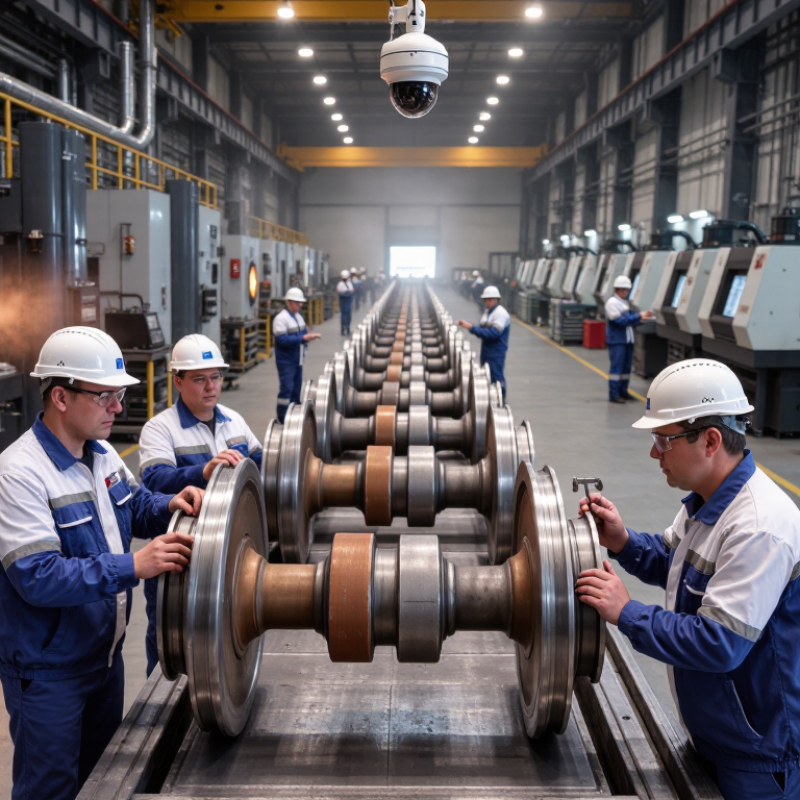
Look closely at the factory, if possible. Notice the furnace records. Watch how operators handle defects. Examine whether gauges are calibrated and whether rejected castings are analyzed. These small details often reveal more than a modern website.
Experience also matters. A supplier familiar with wheel carriers should understand impact loads, fatigue risks, porosity control, and machining allowances. However, no supplier is perfect. Even an experienced factory may struggle with a new alloy, complex geometry, or urgent delivery schedule. That is why technical communication must remain active after the contract is signed.
The best choice is not always the lowest-cost supplier. It is the partner that can repeatedly produce safe, dimensionally stable, and traceable Wheel Carrier Casting components. Cost matters. Reliability matters more.
Define Your Wheel Carrier Casting Requirements
How to Choose the Best Wheel Carrier Casting Supplier?
Define Your Wheel Carrier Casting Requirements
A reliable supplier search begins with a clear wheel carrier casting specification. Record the carrier’s length, width, weight, mounting points, and load direction. Include the vehicle’s operating environment, such as road salt, mud, vibration, and temperature changes. These details influence the casting alloy, wall thickness, and corrosion protection.
Experience matters here. I have seen projects delayed because a drawing showed dimensions but missed machining allowances. State the required casting process, dimensional tolerances, surface finish, and critical inspection points. Also define annual volume, prototype quantity, packaging needs, and delivery expectations. A first specification is rarely complete.
Tips: Share a marked-up drawing, sample part, or 3D model. Identify every safety-critical area. Ask the supplier to review weak sections before tooling begins.
Do not choose a supplier from price alone. Request material certificates, inspection records, and sample measurements from similar castings. Confirm whether the supplier can manage mold design, casting, heat treatment, machining, and final inspection. This reduces handoff errors. However, supplier claims still need verification. A factory tour, process audit, or independent test can reveal practical limitations.
Leave room for engineering discussion. Some requirements may conflict, such as lightweight design and high impact resistance. A capable supplier should explain those trade-offs clearly. They should also suggest reasonable tolerances instead of accepting every number without question. That response often reveals real technical competence.
Evaluate Supplier Materials, Equipment, and Casting Expertise
A reliable wheel carrier casting supplier must prove more than production capacity. Start with material control. Ask whether the supplier uses certified ductile iron or aluminum grades suited to suspension loads, corrosion exposure, and repeated fatigue. Request heat-batch records, chemical analysis, tensile results, and elongation data. Small chemistry changes can alter strength and machinability. I have seen attractive samples fail because trace elements were not controlled consistently.
The World Foundry Organization’s 2023 census reported over 109 million tonnes of global castings production in 2022. That scale makes process discipline essential, not optional. Evaluate furnace temperature control, melt treatment, mold preparation, and cooling management. Modern casting simulation can identify shrinkage and air-entrapment risks before tooling is built. However, simulation is only a prediction. Physical validation still matters. Suppliers should provide radiographic or CT inspection, dimensional reports from coordinate-measuring machines, and documented corrective actions.
Equipment reveals practical expertise. Look for calibrated spectrometers, thermal analysis tools, fatigue-testing capability, and traceable inspection systems. Ask to review a real production-control plan, not a polished presentation. ISO 9001 certification supports consistency, but it does not replace casting knowledge. The supplier should explain gating design, machining allowances, heat treatment, and defect limits in clear engineering language. Some suppliers may overstate their experience. That is worth challenging. Their answers should connect material data with actual wheel carrier geometry, load paths, and field-service conditions.
How to Choose the Best Wheel Carrier Casting Supplier?
Supplier evaluation based on materials, equipment, casting expertise, quality control, and delivery reliability
The weighted evaluation model uses a 100-point scale. Material traceability and casting expertise receive the highest priority because they directly influence fatigue resistance, dimensional stability, and service life. Equipment capability and quality control help ensure repeatable production, while delivery consistency reflects manufacturing reliability.
Compare Production Capacity, Pricing, and Delivery Reliability
A reliable wheel carrier casting supplier should be judged by capacity, pricing, and delivery evidence. Factory visits matter. Ask to see melting furnaces, molding lines, heat-treatment equipment, and final inspection records. A supplier claiming high output must show monthly production data, equipment utilization, and backup capacity. Empty promises are common.
The World Bank’s Logistics Performance Index 2023 covers 139 economies and evaluates shipment reliability, tracking, and timeliness. Use these principles during supplier audits. Request the last twelve months of on-time delivery records, not one successful project. Confirm lead times for tooling, samples, mass production, and corrective work. Since over 80% of global merchandise trade moves by sea, according to UNCTAD’s Review of Maritime Transport, port distance and shipping schedules can affect delivery significantly. A nearby foundry is not automatically more reliable.
Pricing needs technical detail. Compare metal grades, casting weight, machining hours, scrap assumptions, tooling charges, packaging, and freight separately. The World Bank Commodity Markets Outlook shows continuing volatility across base-metal markets, so fixed prices may hide adjustment clauses. Ask for the index and review period behind every surcharge. I prefer a transparent quote over the lowest quote. It is rarely the cheapest later.
Production capacity can still mislead. A large facility may prioritize bigger contracts. Require capacity reserved for your program, inspection frequency, and escalation contacts in writing. Check material certificates and dimensional reports from recent batches. I would also test a small pilot order. It costs time, but it exposes weak controls before damaged castings reach assembly.
Assess Communication, Customization, and Long-Term Support
How to Choose the Best Wheel Carrier Casting Supplier?
Communication shows more than politeness. It reveals process control. Ask how the supplier handles drawings, tolerance questions, and delivery changes. A reliable team gives specific answers, not vague promises. Request one technical contact and a written response schedule. During sample development, note whether engineers explain risks clearly. For example, they should discuss casting shrinkage near mounting holes and possible machining adjustments. That detail matters.
Customization requires practical engineering. Share wheel load data, material requirements, surface expectations, and installation conditions. The supplier should review stress points before producing tooling. Ask for mold-flow feedback, inspection plans, and sample measurements. Photos alone are insufficient. Dimensional reports provide stronger evidence. I once treated a low quotation as proof of efficiency. That judgment was incomplete. Tooling changes later created extra cost and delayed testing.
Long-term support protects production stability. Confirm how the supplier manages engineering changes, replacement tooling, batch traceability, and quality complaints. Ask whether inspection records remain available after delivery. A dependable partner can support corrective action with measured evidence. They should also explain capacity during peak demand. Small gaps appear here. That is useful. A supplier may communicate well but lack backup equipment. Another may customize quickly but document poorly. Compare actual records, response times, and trial parts before choosing.





