How to Choose the Best Stud Welding Machine for Your Needs?
Choosing the right Stud Welding Machine is crucial for various industries, including construction and manufacturing. According to a report by MarketsandMarkets, the global stud welding equipment market is projected to reach over $600 million by 2025. This growth highlights the importance of selecting a suitable machine that meets specific requirements.
When evaluating Stud Welding Machines, factors such as power output, portability, and ease of use should be considered. The choice can significantly impact productivity and project outcomes. Users often overlook the importance of machine compatibility with different materials. A mismatch can lead to inefficiencies or poor weld quality.
Moreover, not every model is designed for heavy-duty tasks. New users may find it challenging to navigate the options available. Understanding the technology behind stud welding is essential. Reflection on one’s unique needs will reveal what features truly matter. Ultimately, an informed decision can enhance operational efficiency and lead to better results.
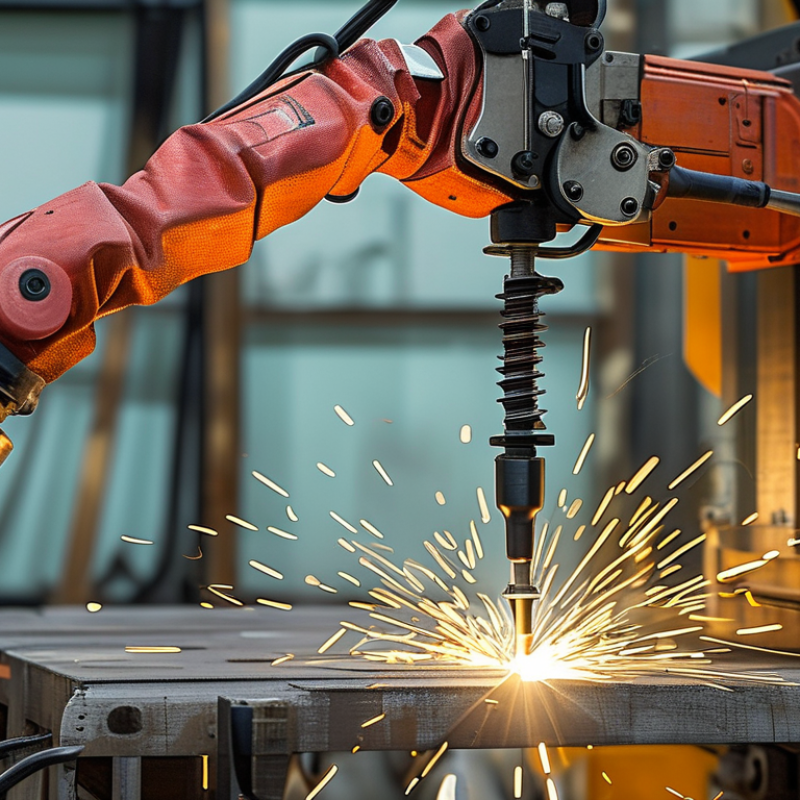
Understanding the Basics of Stud Welding Machines
Understanding the basics of stud welding machines is essential for making an informed choice. These machines use a fusion process to attach metal studs to surfaces without needing additional fasteners. This technique is widely employed in construction and manufacturing, particularly for projects requiring strong, durable connections.
One key benefit is that stud welding offers a clean and efficient way to join materials. According to industry reports, over 70% of construction companies have integrated stud welding into their operations for time-saving benefits. The machines are designed to handle various materials, including steel, aluminum, and plastic composites. Important parameters to consider include power output, ease of use, and the types of studs the machine can handle.
Tips: When selecting a stud welding machine, evaluate your welding environments. For small projects, portable machines may suffice. In contrast, larger operations may need more powerful, stationary machines. Ensure that the machine meets the necessary safety standards and provides adequate training materials.
Moreover, reflect on the maintenance aspects of the machine. A well-maintained unit ensures consistent performance and extends service life. Neglecting maintenance can lead to increased downtime and repair costs. Regular inspections can help identify potential issues before they become significant problems.
Stud Welding Machine Features Comparison
This chart compares key features of stud welding machines, highlighting their power, weight, price, duty cycle, and voltage requirements. Knowing these specifications can help you choose the right machine for your welding needs.
Evaluating Your Specific Welding Needs and Applications
When selecting a stud welding machine, it’s crucial to assess your specific welding needs. Different applications require different features. For instance, the aerospace industry might prioritize precision, while construction applications focus on durability. A report from the American Welding Society indicates that improper machine selection can lead to 30% inefficiency in production processes. This highlights the importance of understanding your project demands well.
Your choice should reflect the materials you often work with. Steel and aluminum present different challenges. Data from the International Institute of Welding shows that the right machine can increase joining quality by up to 50%. This means evaluating your most common materials and their characteristics is essential. If you overlook this, you could face inadequate weld strength or structural integrity.
Consider the environment too. Indoor and outdoor conditions affect performance. Dust, moisture, and temperature fluctuations can significantly impact welding quality. A study from Welding Journal suggests that nearly 25% of welding failures are linked to environmental factors. By analyzing these factors, you can select a machine that withstands specific challenges and meets industry standards.
Key Features to Consider When Choosing a Stud Welding Machine
Choosing the right stud welding machine requires careful consideration of several key features. Start with power options. The machine's amperage determines its capability to handle various projects. Higher amperage allows for thicker materials. However, for lighter tasks, a lower setting might suffice. Think about your project needs before making a choice.
Next, consider the portability of the machine. If your projects often require mobility, a lightweight and compact design is essential. A heavier machine may be suitable for a fixed workshop setting. Always weigh the benefits against operational comfort.
Lastly, review the control features available. Some machines offer digital displays and programmable settings, which enhance precision. Others may provide basic functionality. It's vital to choose according to your skill level. Sometimes, simpler models lead to faster learning curves. Reflect on whether advanced features align with your expertise or if they might complicate your tasks.
Comparing Different Types of Stud Welding Machines Available
When selecting a stud welding machine, it’s critical to understand the various types available. Each type offers distinct advantages tailored to specific tasks. Arc stud welding, for example, is ideal for quick and effective connections on thin materials. It can deliver strong welds without needing direct access to both sides of the base material. According to industry reports, nearly 45% of heavy manufacturers prefer this method for its efficiency and precision.
Another popular option is resistance stud welding. This technique uses heat generated by resistance to join the stud with the base. It’s best suited for thicker materials and provides excellent bond strength. However, it requires careful calibration and might not be as versatile for thin sheets. Data shows that resistance welding accounts for about 30% of the market, primarily due to its robustness in demanding applications.
Each welding method has its pros and cons. Beginners may find some techniques more challenging, requiring additional training. Furthermore, the initial investment in high-quality equipment can be significant. Some users report needing to adjust their approaches multiple times to achieve optimal results. This learning curve is essential to ensure efficiency and reliability in production.
Tips for Maintaining and Troubleshooting Your Stud Welding Equipment
When it comes to maintaining your stud welding equipment, a few key practices are essential for optimal performance. Regularly inspect the machine for signs of wear or damage. Check the cables and connections for fraying or corrosion. This simple task can prevent larger issues down the line. Ensure that the electrodes are clean and properly aligned. Dirty or misaligned electrodes can lead to inconsistent welds.
Troubleshooting a stud welding machine involves attentive observation. If you notice irregular welds, consider the power settings. Incorrect settings can cause weak welds. Listen for unusual sounds during operation; these may indicate mechanical problems. If you experience frequent power outages, it might be an electrical issue, requiring professional help.
Documenting any issues you encounter can be beneficial. Note when problems occur and under what conditions. This can provide valuable insights for future troubleshooting. Consistent care and attention to these details will extend the life of your equipment. It’s a learning process that requires patience and observation.





