How to Choose the Best Steel Frame Shed?
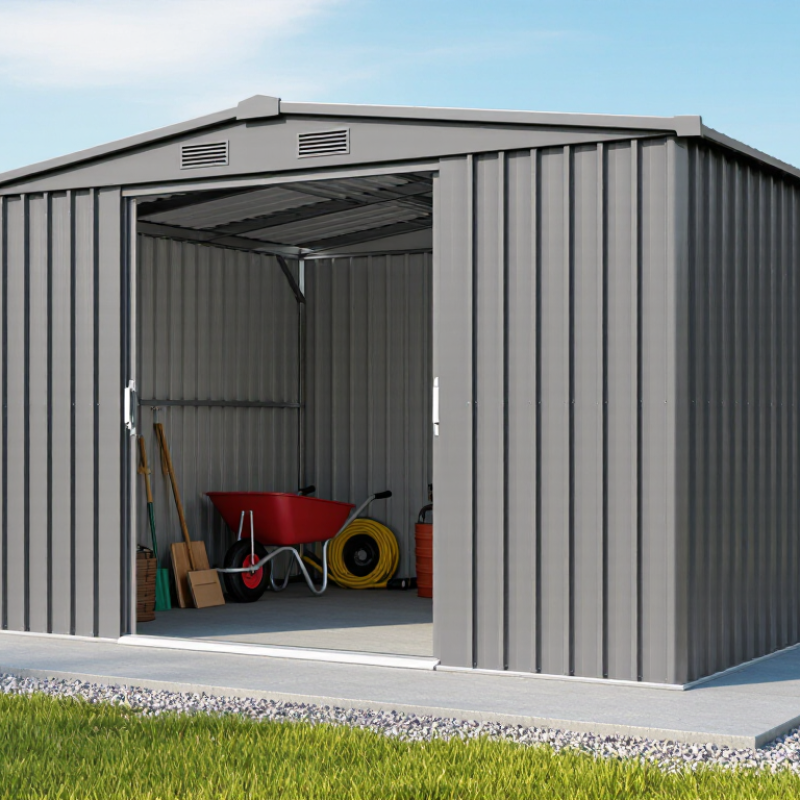
Choosing a Steel Frame Shed starts with the job it must do, not its advertised size. A garden tool store, workshop, and equipment shelter place different demands on the frame, doors, and floor. Measure the available site, including space for opening doors and moving items inside. Check ground slope, drainage, and access for delivery before comparing models. Small details matter.
Frame thickness, steel grade, and protective coating affect strength and resistance to corrosion. Ask the supplier for written specifications rather than relying on broad claims such as “heavy duty.” Also confirm the structure’s stated wind and snow ratings suit your local conditions. These figures depend on the complete design, anchoring, and installation—not the frame alone. A solid foundation matters.
This guide outlines how to compare dimensions, roof styles, door layouts, coatings, and anchoring options. It also explains what to check in the warranty, assembly instructions, and maintenance guidance. Inspect connection points and fasteners closely; a well-built frame can still disappoint if components are poorly matched. It is easy to focus on price and overlook access or ventilation. That can be a costly misjudgment. No shed is maintenance-free, and the best choice may not be the largest or cheapest. Use the manufacturer’s specifications, your site conditions, and the items you plan to store to make a practical decision.
Define the Shed’s Purpose and Storage Requirements
Before choosing a steel frame shed, list what it must store and how you will use it. A mower needs a wide, clear doorway; bicycles need wall space; long-handled tools need reachable racks. Measure the largest item, then allow room to turn, load, and retrieve it. A shed that fits on paper can feel cramped once shelves and handles are inside. Be honest about future needs, but avoid paying for empty floor space.
Storage habits offer useful context. The Self Storage Association’s 2023 Self Storage Demand Study reports that about 11% of U.S. households rent self-storage. That figure does not predict shed demand, but it shows that storage needs are common and often exceed what people keep at home. For your shed, separate daily-use items from seasonal gear, and estimate the volume of each group before setting dimensions. Check the door opening, eave height, and floor loading against actual equipment specifications.
Tips: Sketch the floor plan with tape on the ground. Mark shelves, doors, and the mower’s turning path. Leave a clear route to frequently used items. It may seem excessive. Still, a little empty space can make a small shed much easier to use. Don’t guess every detail; measure the awkward items twice.
Compare Steel Grades, Frame Design, and Panel Thickness
How to Choose the Best Steel Frame Shed?
Compare Steel Grades, Frame Design, and Panel Thickness
A frame’s steel grade tells you more than its appearance does. Check the specified yield strength and confirm that it applies to the actual framing members. AISI’s S100 cold-formed steel design specification evaluates member strength using material properties and section geometry, not gauge alone. That matters when comparing two sheds with similar-looking rails. Look closely. A deeper, well-braced section may resist bending better than a thinner, flatter one, but only when its connections and layout work together.
Panel thickness affects dent resistance and stiffness, but it cannot compensate for weak framing. Ask whether the listed thickness is base-metal thickness or includes coatings; that distinction is easy to miss. For corrosion protection, ASTM A653/A653M defines G60 and G90 zinc-coating classes as 0.60 and 0.90 ounces per square foot, respectively, across both sides of the sheet. More coating can help in damp conditions, though drainage and cut-edge protection still matter. Compare frame spacing, roof bracing, and fastener placement alongside panel measurements. I would not choose the thickest panel automatically. A practical specification should match local exposure, stored loads, and the shed’s intended use—and honestly, product sheets do not always make those details easy to compare.
Assess Weather Protection, Safety, and Installation Needs
A steel frame shed should be selected for the weather it will actually face, not just its appearance. NOAA recorded 28 U.S. weather and climate disasters costing at least $1 billion each in 2023. That figure does not predict local conditions, but it shows why wind, heavy rain, and hail deserve attention. Check the shed’s rated wind and snow loads against local conditions, and ask how its frame, roof panels, and anchors work together. Water protection depends on details: a level base, raised edges, sealed joints, and gutters that carry runoff away. Small gaps matter.
Safety starts before assembly. The U.S. Bureau of Labor Statistics counted 1,069 fatal work injuries in construction in 2022; falls, slips, and trips accounted for 395. A backyard project is not the same as a construction site, yet ladders, sharp panel edges, and awkward lifts still create real risks. Wear gloves and eye protection, secure ladders, and have another person help position long frame sections. Follow the assembly sequence, and do not work in strong wind. Check that the pad is level and anchors suit the ground beneath it; concrete, compacted gravel, and soft soil behave differently. I would not rush this part. Even a sturdy shed can rack or leak when its base is uneven or its anchoring is poorly matched.
How to Choose the Best Steel Frame Shed
Compare nominal steel sheet thickness when weighing weather protection, safety, and installation needs.
Lower gauge numbers indicate thicker steel. Thicker panels can provide greater rigidity, while thinner panels are generally lighter to handle. Panel thickness alone does not determine a shed’s wind or snow rating; check the complete frame design, anchoring, coating, and local building requirements. Values shown are nominal carbon-steel sheet thicknesses; specifications can vary.
Compare Total Cost, Warranty, and Supplier Support
How to Choose the Best Steel Frame Shed?
A low purchase price can look attractive, but it may exclude freight, anchoring, installation, or site preparation. Compare the full cost of a finished shed, not just the frame and panels. Ask for an itemized quote. Check whether the foundation, fasteners, doors, and delivery are included. A narrow driveway or sloped pad can add unexpected costs. Small details matter.
Read the warranty before comparing coverage periods. A long warranty may cover the frame but exclude paint, fasteners, or damage from poor installation. Look for clear terms on corrosion, structural defects, maintenance, and claim procedures. Ask how repairs are handled and whether replacement parts are available. Keep the written warranty with your quote. I would not assume that “covered” means every component is covered.
Supplier support matters before and after delivery. Ask who answers technical questions, when drawings arrive, and how damaged or missing parts are reported. A helpful supplier should explain what your site needs and put important promises in writing. Notice how specific the answers are. Even a careful comparison can miss something, especially when access or ground conditions change. Check those details before paying a deposit.





