How to Choose the Best Stainless Steel Concrete Screws?
Choosing the best Stainless Steel Concrete Screws is crucial for any construction project. These screws provide durability and resistance to corrosion, which is vital in structural applications. According to a report by the American Concrete Institute, the demand for stainless steel fasteners has increased by over 30% in the past five years. This rise reflects the growing emphasis on quality in construction materials.
When selecting stainless steel concrete screws, understanding the specific requirements of your project is essential. Not all screws are created equal. Varying grades of stainless steel can significantly impact performance. For example, Type 316 stainless steel offers superior corrosion resistance compared to Type 304. However, it may not be necessary for all applications, leading to potential overspending.
While researching options, consider both the supplier's reputation and industry standards. Reliable brands often comply with stringent testing regulations, resulting in higher quality products. In contrast, lesser-known suppliers may provide cost-effective options but sacrifice reliability. Balancing cost and performance can be challenging, but it is vital for a successful construction outcome.
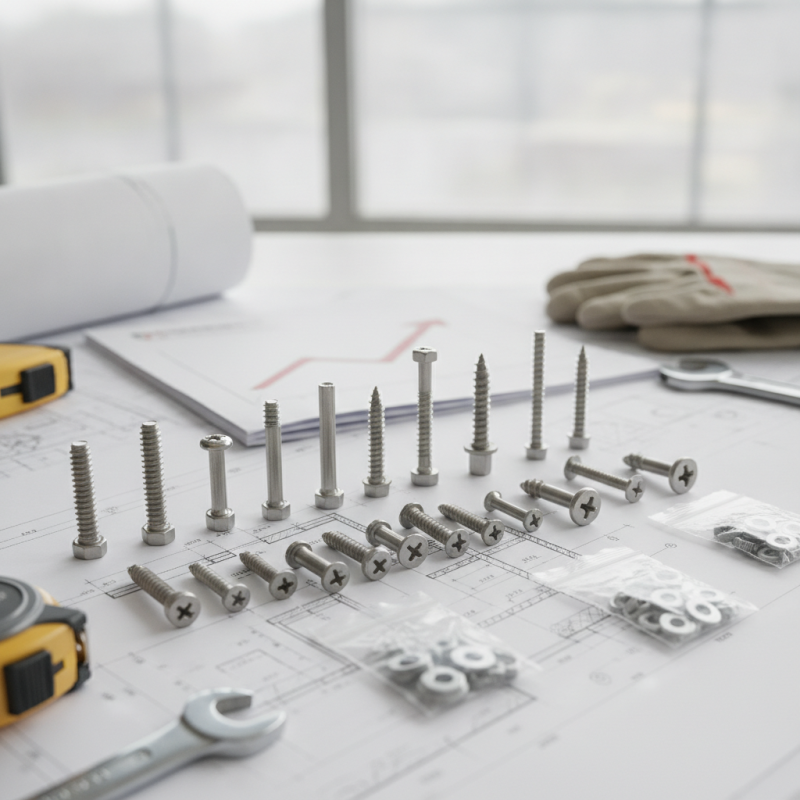
Understanding Stainless Steel Concrete Screws and Their Applications
When it comes to constructing with concrete, choosing the right type of screw is crucial. Stainless steel concrete screws are widely used for their durability and resistance to rust. They are ideal for outdoor applications, where exposure to moisture can be an issue. These screws can hold heavy loads, making them perfect for structural integrity.
When selecting stainless steel concrete screws, pay attention to the grade of stainless steel. Higher grades, like 316, offer better corrosion resistance. This is particularly important in coastal areas or places with high humidity. Also, consider the screw's length and diameter based on the thickness of your concrete. Each project has unique requirements, and not all screws will perform equally.
Tips for optimal selection: Always pre-drill pilot holes, as this helps to avoid cracking the concrete. Use a torque wrench to ensure proper tightness. Inspect the screws for any defects before use, as damaged screws can lead to failure. Understand that even with stainless steel, there may be limitations in harsh environments. It's essential to evaluate these aspects carefully for your project's success.
Key Factors to Consider When Choosing Concrete Screws
When selecting stainless steel concrete screws, consider several key factors. The material's corrosion resistance is crucial. Stainless steel offers superior protection against rust, especially in damp environments. However, not all grades have the same level of durability. Research the specific grade suited for your project's conditions.
Screw size and length play a significant role as well. The diameter affects load-bearing capacity, while length determines how deep the screw will anchor. If too short, it may not hold weight effectively. Similarly, too long may compromise structural integrity. Test various sizes to find what best meets your needs.
Thread design is another detail that can impact performance. Screws with sharper threads generally provide better grip in concrete. Also, consider the type of installation tool required. Some screws may need specific drills or driving equipment. Analyze the complete installation process to avoid future complications.
Selection Criteria for Stainless Steel Concrete Screws
Comparing Different Grades of Stainless Steel for Durability
When selecting stainless steel concrete screws, understanding the grades of stainless steel can make a significant difference in project durability. There are primarily three grades to consider: 304, 316, and 410. Each grade offers unique properties that can influence performance in different environments. For instance, 304 stainless steel is often used in less corrosive environments. It's economical, but it may not withstand extreme conditions.
In contrast, 316 stainless steel is more durable and resistant to salt and chemicals. This makes it ideal for coastal areas or industrial settings. However, it is more expensive. The third grade, 410 stainless steel, is a martensitic alloy. While it isn’t as corrosion-resistant, it is harder and can be suitable for structural applications. Understanding these differences is crucial.
It's essential to think carefully about your project's needs. Using the wrong grade could lead to failures in the long run. This can result in costly repairs and affect the integrity of your structure. Always balance cost with performance requirements. Each material choice should be made after assessing environmental factors and load conditions.
Assessing the Load-Bearing Capacity of Concrete Screws
When selecting the best stainless steel concrete screws, assessing their load-bearing capacity is crucial. The load-bearing capacity refers to how much weight these screws can support when anchored in concrete. Many factors affect this, including screw size, embedment depth, and concrete quality. A thorough understanding of these elements can enhance construction safety and effectiveness.
Different applications require varying load specifications. For light-duty tasks, smaller screws may suffice. However, heavy-duty applications need larger screws with deeper embedment. Testing the concrete’s compressive strength is essential. This often involves consulting with structural engineers who understand the specific requirements of a project. Ignoring these factors may lead to structural failures or costly repairs in the future.
It's also important to consider environmental conditions that can impact performance. Exposure to moisture, chemicals, or extreme temperatures can weaken screws over time. Regular inspections are beneficial to identify early signs of wear or corrosion. Relying solely on product marketing can lead to oversights and undermine a project’s integrity. Balancing accurate assessments with hands-on experience fosters better decision-making in choosing concrete screws.
How to Choose the Best Stainless Steel Concrete Screws? - Assessing the Load-Bearing Capacity of Concrete Screws
| Screw Type | Length (inches) | Diameter (inches) | Load Capacity (lbs) | Material Grade | Corrosion Resistance |
| Type A | 2 | 0.25 | 500 | 304 | High |
| Type B | 2.5 | 0.30 | 600 | 316 | Very High |
| Type C | 3 | 0.375 | 700 | 410 | Moderate |
| Type D | 4 | 0.50 | 900 | 2205 | Extreme |
Installation Tips for Optimal Performance of Stainless Steel Screws
When installing stainless steel concrete screws, proper technique is crucial for maximum performance. First, ensure you select the right drill bit for pilot holes. The hole size impacts screw grip and durability. A snug fit reduces vibrations and the chance of loosening over time.
Pay attention to the torque settings on your drill. Over-tightening can lead to stripped threads, compromising structural integrity. Adjust your drill’s settings based on the material for optimal results. Testing with a spare screw may prevent unexpected issues during the actual installation.
Lastly, consider environmental factors. Stainless steel is corrosion-resistant, yet concrete's moisture can still affect it. Applying a sealant can help prevent moisture infiltration. Install screws when temperatures are moderate. Extreme conditions can alter the material properties and lead to failure. These small details can make a significant difference in your project’s success.





