How to Choose a Shorts Legging Printer?
Choosing a Shorts Legging Printer is not simply a matter of selecting the fastest machine. The right decision depends on fabric stretch, print durability, color accuracy, production volume, and operator skill. A printer may look impressive in a showroom, yet perform poorly on glossy polyester or heavily stretched waistbands.
Textile printing specialist Debbie McKeegan has said, “The print is only as good as the fabric it lands on.” This principle matters when comparing sublimation, direct-to-film, and direct-to-textile systems. Each method creates different results on compression shorts, training leggings, and lightweight sportswear. Check whether the printer supports polyester blends, elastic fabrics, and the ink profile required for your designs.
Look closely at real samples. Stretch them. Wash them. Rub the printed area with a damp cloth. Small tests often reveal cracking, fading, or weak color transitions that brochures hide. Ask suppliers about nozzle maintenance, curing temperature, software compatibility, and replacement-part availability. Those details affect production every week.
Budget matters, but the cheapest option can become expensive through wasted fabric and frequent downtime. A higher-priced printer may offer steadier color and better technical support. Still, premium equipment is not automatically suitable. Your team’s experience, workspace, ventilation, and order schedule must be considered.
There is no perfect Shorts Legging Printer. I would not choose one from specifications alone. A practical trial, honest supplier answers, and several finished samples provide stronger evidence than polished marketing claims. Expect a few surprises. That is part of making a reliable decision.
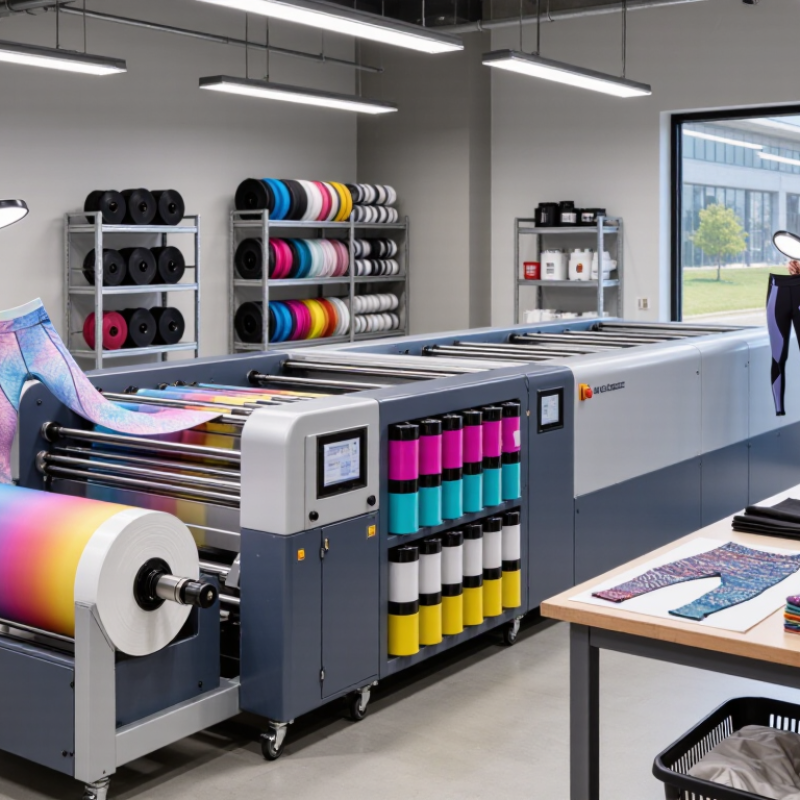
Define Your Shorts Legging Printing Requirements
Define the garment before comparing a printer. Record fabric composition, stretch percentage, panel size, target colors, weekly quantity, and delivery time. Shorts leggings often use polyester-spandex blends. Poor ink selection can crack across the hip and knee. Ask for samples on your actual fabric. Do not judge only a flat swatch. Test a waistband seam, a curved panel, and at least 20 wash cycles. This may reveal weak adhesion, banding, or color loss. Small details matter.
Your production target determines the suitable printing process. Grand View Research valued the global custom T-shirt printing market at USD 4.3 billion in 2023. It forecasts an 11.1% CAGR from 2024 to 2030. This growth signals demand, but it does not prove every printer suits compression garments. For small orders, transfer-based printing may reduce setup waste. For continuous polyester fabric, dye sublimation can offer deeper penetration and cleaner coverage. Confirm compatibility before purchasing.
Smithers’ digital textile printing reports identify customization, shorter runs, and productivity as major adoption drivers through 2028. Ask suppliers about resolution, ink usage, curing temperature, maintenance, and color-management controls. Request printed tests after stretching and washing. Supplier claims need verification. Include wash durability, color tolerance, fabric limits, service response, and sample approval in writing. A printer that looks affordable may become expensive through reprints and downtime. I would not skip physical testing, even when the specification sheet looks perfect.
Compare Printing Technologies for Shorts Leggings
How to Choose a Shorts Legging Printer?
Printing technology strongly affects comfort, color quality, durability, and production cost. For polyester shorts leggings, dye sublimation is often the most practical choice. It infuses ink into the fabric instead of leaving a heavy surface layer. The result feels smooth and supports detailed, full-coverage designs. It also handles repeated stretching better when the fabric contains elastane.
Screen printing can produce bold colors and strong opacity. However, thick ink may feel stiff on lightweight leggings. It usually works better for simple logos or limited-color artwork. Direct-to-garment printing offers detailed images, but its performance depends on fabric preparation and ink compatibility. On dark, elastic fabric, results can appear less vibrant. That difference matters under bright store lighting.
Ask the printer for a physical sample. Digital previews can hide banding, seam distortion, or uneven color. Check the waistband, inner thigh, and curved panels closely. These areas often reveal weak registration or poor coverage. Request fabric composition, curing details, and recommended washing instructions. A reliable printer should explain testing methods, not only quote a price.
I have seen attractive samples fade after a few washes. The mistake was trusting appearance alone. A stretch test and a wash test are essential. Print the same artwork near a seam and on a flat panel. Compare both after washing, drying, and repeated stretching. Even then, results may vary between fabric batches, so keep production material consistent.
Evaluate Fabric Compatibility and Print Quality
How to Choose a Shorts Legging Printer?
Fabric compatibility should guide your printer choice. Shorts leggings commonly use polyester, nylon, and elastane blends. Each material reacts differently to heat, pressure, and ink. Polyester usually supports sublimation printing with vivid, durable colors. Nylon may require specialized inks or a suitable pretreatment. Elastane adds stretch, so the design must flex without cracking.
Ask the printer for fabric-specific samples. Check the print before stretching the fabric. Then pull it across the thigh area and inspect fine lines, edges, and dark colors. A smooth surface can hide poor adhesion. It matters after washing. Test at least five wash cycles, using the care instructions recommended for the garment. Look for fading, peeling, bleeding, and rough texture. The printed area should feel comfortable against skin.
Print quality also depends on file preparation and machine control. Confirm the printer can manage color accuracy, ink density, and registration on curved panels. Small text needs sharp edges. Large solid areas need even coverage. A beautiful first print can still fail. I once approved a sample that looked perfect under studio lights, but its black panels faded after repeated washing. Now I request a production-like sample, not only a laboratory swatch. Ask about curing temperatures, inspection procedures, and acceptable color variation. Reliable printers should explain these details clearly and document test results.
Check Production Speed, Costs, and Maintenance
Choosing a shorts legging printer requires more than reading its maximum speed. Grand View Research valued the global digital textile printing market at over US$4 billion in 2023. It also forecasts double-digit growth through 2030. This growth makes dependable output more important than impressive showroom numbers.
Check real production speed with your fabric, artwork, and curing process. A printer rated at 400 square meters per hour may produce much less after loading, color checks, drying, and roll changes. Ask for a timed test using polyester legging fabric. Record completed meters, not only printhead movement. Small delays become expensive during large orders.
Cost calculations should include ink, transfer paper, electricity, labor, rejected panels, and preventive maintenance. Smithers’ textile printing research shows digital production is expanding because shorter runs and customization can reduce setup waste. However, ink prices can quietly damage margins. Maintenance matters. Inspect printheads daily, clean the capping station, and control workshop humidity. A blocked nozzle can ruin a bright side panel.
I would not trust one sample.
Request a monthly maintenance schedule and expected replacement costs. Also compare service response times and spare-part availability. The cheapest printer may become the slowest machine after one neglected cleaning cycle. That lesson is easy to learn too late.
Assess Supplier Support, Reliability, and Safety Features
How to Choose a Shorts Legging Printer?
Supplier support often reveals more than a polished machine sample. Ask how quickly the technical team responds when print alignment shifts during a busy order. Request clear setup guides, maintenance schedules, spare-part lists, and operator training. A reliable supplier should help you test fabric before purchase. Stretch polyester can behave differently after heat pressing, washing, and repeated movement. Insist on sample approval records, not only attractive photographs. I once trusted a flawless sample too quickly. The first production run exposed uneven ink coverage near the waistband.
Check reliability through evidence. Ask for production records, test procedures, and references from businesses printing similar garments. Useful tests include colorfastness, wash durability, stretch recovery, and print adhesion. The supplier should explain acceptable tolerances in plain language. Vague promises create expensive surprises. Look for consistent output across several fabric rolls, not one carefully selected piece.
Safety requires practical inspection. Moving parts should have guards, and emergency-stop controls must be easy to reach. Verify electrical safety documentation and temperature-control accuracy. For skin-contact leggings, request current test reports for inks and curing materials against applicable textile safety requirements. Safety data sheets should be available for every chemical product. Check ventilation needs, protective equipment, and waste-handling instructions before installation. A supplier may answer quickly yet overlook a small operational risk. Ask difficult questions anyway. Supplier support, reliable testing, and visible safety controls matter more than a low opening price.





