How to Choose the Best Sand Blast Film for Your Needs?
Choosing the right Sand Blast Film is crucial for successful surface preparation and finishing. A recent industry report highlights that 75% of professionals believe proper film selection impacts job quality. The right Sand Blast Film can enhance productivity and reduce material waste, leading to significant cost savings.
Investing in high-quality Sand Blast Film can provide better protection and performance. Standards set by organizations such as the American Society for Testing and Materials emphasize durability and proper adhesion. Many users, however, overlook the importance of choosing the appropriate thickness and texture. This oversight can lead to subpar results and increased labor costs.
While some products may appear appealing due to lower prices, they often fall short in performance. Users must weigh initial costs against long-term benefits. An informed choice can lead to improved outcomes and overall satisfaction. It’s vital to consider both the specific application and project demands when selecting a Sand Blast Film.
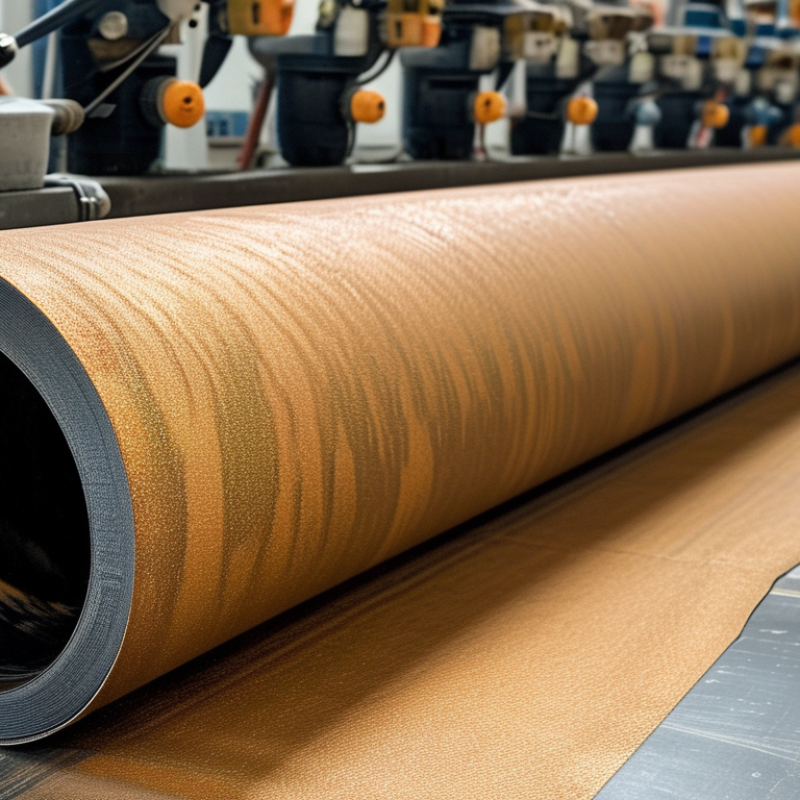
Types of Sand Blast Films Available in the Market
When selecting sand blast films, it's crucial to understand the types available. Many films cater to different applications in the industry. The most common options are polyester, vinyl, and specialty films. These materials vary significantly in durability and ease of application. Polyester films are popular due to their excellent tear resistance. They also withstand harsh environments better than other types.
Vinyl films offer flexibility and can easily conform to curved surfaces. They are suitable for projects requiring intricate designs. However, a recent study noted that these films may have a shorter lifespan under extreme conditions. Specialty films, on the other hand, include options designed for unique applications, such as high-temperature resistance. Such films may provide enhanced performance, yet they usually come at a higher price.
The choice often comes down to the specific needs of a project. An analysis by industry experts suggests that understanding film thickness is essential. Thicker films generally provide better protection but can be more challenging to work with. Conversely, thinner films are easier to apply but may not survive tough blasts. Users must assess their requirements carefully to choose the right film for optimal results.
Factors to Consider When Choosing Sand Blast Film
Choosing the right sand blast film is crucial for various applications, such as surface preparation or protective coatings. Several factors play a significant role in this decision. The thickness of the film is one important consideration. Thicker films often provide better protection but can also become more brittle. You might face challenges with installation when using thicker materials.
Another factor is the material composition of the film. Films are commonly made from PVC, polycarbonate, or other polymers. PVC films are generally more affordable and flexible, while polycarbonate films offer superior durability and clarity. Research shows that polycarbonate films can maintain their integrity even under rigorous blasting conditions, providing about 20% more resistance than lower-grade alternatives.
User feedback indicates that ease of application matters, too. A film that is difficult to apply might ultimately lead to waste and increased costs. Moreover, the adhesive properties should be evaluated. If the adhesive does not hold well, the film can lift and fail prematurely. Poor adhesion can reduce effectiveness by up to 15%. Keep these factors in mind to better align your choice of sand blast film with your specific needs.
Evaluating the Durability and Quality of Sand Blast Films
When selecting a sand blast film, durability and quality are paramount. According to industry reports, the lifespan of these films can vary significantly. Some films last as little as a few months under heavy use, while others can endure for several years. Durability is largely influenced by the material used in the film's construction. Films made from high-grade polymer tend to offer enhanced resistance to wear and impact, making them suitable for more demanding applications.
Quality also plays a crucial role. A thorough evaluation of the film's adhesion properties is essential. Studies indicate that films with superior adhesive qualities reduce the risk of delamination. This phenomenon can lead to additional costs for reapplication. Users should consider the film's thickness as well. Thicker films often provide better protection, but they can also be more challenging to handle.
In addition, not all films perform equally in various environments. Some may excel in dry conditions but falter in wet or humid environments. A recent technical review pointed out that films exposed to moisture may experience degradation quicker than expected. Assessing these characteristics will ensure an informed choice that suits individual needs.
How to Choose the Best Sand Blast Film for Your Needs? - Evaluating the Durability and Quality of Sand Blast Films
| Film Type | Durability (months) | Thickness (mil) | Clarity | Application Type |
| Standard Sand Blast Film | 6 | 4 | Good | General Use |
| Heavy-Duty Film | 12 | 6 | Excellent | Industrial Use |
| Economy Film | 4 | 3 | Fair | Budget Projects |
| UV Resistant Film | 9 | 5 | Very Good | Outdoor Use |
| Multi-Layer Film | 10 | 7 | Outstanding | Versatile Applications |
Comparing Cost-Effectiveness of Different Sand Blast Films
When selecting a sand blast film, cost-effectiveness is crucial. Many films vary in price, yet quality significantly impacts performance. A recent industry report indicated that higher-priced films often provide better durability. This can reduce long-term costs associated with frequent replacements. Low-cost films may save money initially but can lead to higher expenses over time due to their shorter lifespan.
Choosing the right film involves careful consideration of material and thickness. For example, films with a higher thickness tend to withstand more aggressive blasting media. A study highlighted that users experienced a 30% increase in lifespan with thicker films. Such data suggests that investing in quality materials may yield better productivity.
Tips: Always read user reviews and look for independent testing results. A film that works well for one application may not suit another. Cost-saving on the surface may hide hidden challenges. Balance price with performance to avoid future issues. Additionally, compare various options to find the best value for your specific needs.
Cost-Effectiveness Comparison of Different Sand Blast Films
This chart compares the cost-effectiveness of various sand blast films based on their price per square meter and durability score. Durability is rated on a scale from 1 to 10, with 10 being the most durable.
Application Techniques for Effective Use of Sand Blast Films
When using sand blast films, application techniques play a crucial role in achieving desired results. Proper surface preparation is essential. Make sure the surface is clean and free from dust or grease. This will enhance the adhesion of the film. If the surface is rough, it may lead to uneven application. Test small areas to ensure compatibility before full application.
Apply the sand blast film in controlled conditions. Avoid windy or humid days. This can affect the film's performance. A steady hand or a guided tool can help in maintaining an even pressure during application. Pay attention to air bubbles; they can lead to peeling over time. Using a roller can help eliminate these bubbles.
Remember that practice is essential. Not every application will go perfectly. Take time to analyze what went wrong if issues arise. Don’t hesitate to seek advice from experienced professionals. Learning the nuances of different films can help enhance your skills. Adjusting your technique based on feedback can improve outcomes in future projects.





