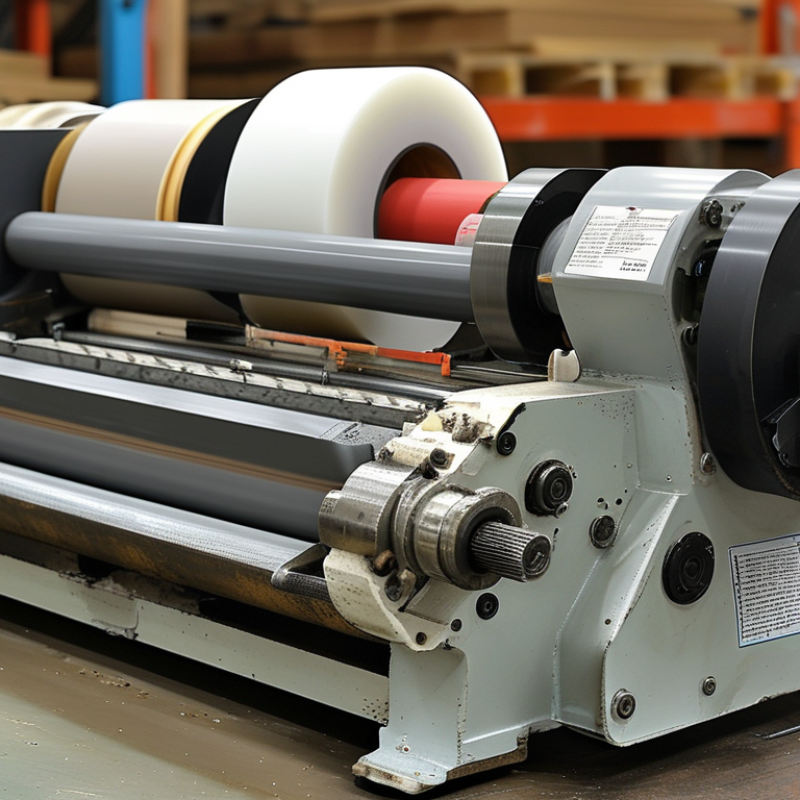
How to Choose the Best Rubber Roller Making Machine?
Choosing the right Rubber Roller Making Machine is crucial for manufacturers. The quality of rubber rollers directly impacts production efficiency and product quality. Investing in the best machine can enhance production reliability and minimize waste.
When evaluating Rubber Roller Making Machines, consider the machine's features, capabilities, and support services. Look for machines that offer customizable options for different rubber formulations. It is essential to ensure that the machine can handle varying sizes and shapes of rollers.
Additionally, seek advice from industry experts. They can provide insights into reputable brands and models. However, the right choice often depends on specific production needs and budget constraints. Always reflect on your operational goals before making a decision.
Understanding the Basics of Rubber Roller Making Machines
Understanding the basics of rubber roller making machines is essential for manufacturers. These machines play a vital role in various industries, including printing, packaging, and textiles. The production process involves specific steps and involves significant technical expertise. According to industry reports, the global rubber roller market is expected to reach USD 585 million by 2025, reflecting the increasing demand for these components.
When considering a rubber roller making machine, various factors come into play. Machine technology has advanced rapidly. For instance, modern machines incorporate automation and precision controls, enhancing production efficiency. However, the initial investment can be substantial. Companies must evaluate the long-term benefits against their budget constraints. Skilled operators are also vital for optimal machine performance. Insufficient training can lead to operational challenges.
The quality of the end product is paramount. Inferior rollers can affect the entire production line. Test reports indicate that up to 15% of production issues stem from subpar roller quality. Manufacturers should implement rigorous quality control protocols. This will ensure consistency and reliability in output. Regular maintenance of the machines also plays a crucial role. Neglecting this can lead to increased downtime and unexpected costs. Emphasizing these fundamentals will help businesses make informed decisions when choosing rubber roller manufacturing machines.
How to Choose the Best Rubber Roller Making Machine?
| Aspect | Details |
| Production Capacity | 500 - 2000 pieces per day |
| Material Types | Natural rubber, synthetic rubber, silicone |
| Machine Dimensions | Length: 2.5m, Width: 1.5m, Height: 1.8m |
| Power Consumption | 10 kW - 15 kW |
| Control System | PLC with touchscreen interface |
| Safety Features | Emergency stop, overload protection |
| Warranty Period | 1 year with optional extended warranty |
Key Features to Consider When Selecting a Rubber Roller Machine
When selecting a rubber roller making machine, there are crucial features to consider that directly affect production quality. The machine's capacity and speed are vital for meeting demand. High throughput is generally desirable, but it's essential to balance speed with quality control. Machines that process rubber at high speeds might compromise the uniformity of the product. Always evaluate how speed affects your end result.
Another significant feature is the type of control system. Advanced systems provide better precision and automation, which can enhance the overall manufacturing process. A good control system monitors temperature and pressure, ensuring optimal production conditions. However, complex systems can be challenging to maintain. Ease of use should not be overlooked; operators need to be comfortable with the technology.
Consider the material compatibility as well. Not all machines handle various rubber compounds effectively. Some may struggle with specific formulations, leading to inefficiencies. It’s wise to reflect on the types of rubber you plan to use. Speak with industry experts and gather insights on their experiences. This can lead to valuable perspectives that help refine your decision.
Evaluating Different Types of Rubber Roller Manufacturing Technologies
When evaluating rubber roller manufacturing technologies, consider the methods available in the market. There are various production techniques, including compression molding, extrusion, and calendaring. Each method has its unique advantages and challenges. Compression molding, for instance, allows for detailed designs but may require longer curing times. Extrusion offers continuous production but can be limited to specific shapes.
Analyzing these technologies is crucial for making an informed decision. Understanding the type of rubber and its applications is vital. The choice of material influences the roller's performance and longevity. Some processes may lead to inconsistencies that affect quality. You might find variation in hardness across batches if not monitored properly. It's essential to consider the expertise of the manufacturer in these processes.
Investing in a machine that suits your specific needs can enhance efficiency. However, reflect on your production volume and roller specifications. A machine that is overly complex for small operations can hinder productivity. Balancing between precision, reliability, and operational cost is key. Different manufacturing technologies can yield different results, so choose wisely based on your unique requirements and operational scale.
Assessing Quality and Durability in Rubber Roller Machines
When assessing the quality and durability of rubber roller machines, it's essential to consider several factors. The materials used in construction play a significant role. High-quality steel frames and premium rubber compounds usually indicate a robust machine. The durability of rubber rollers themselves is vital too. Opt for machines that offer rollers with reinforced layers. This feature enhances lifespan and resistance to wear.
Additionally, the design and technology involved in manufacturing are crucial. Look for machines incorporating advanced production techniques. These often yield better precision and consistency in roller output. A well-designed machine can lead to less downtime for maintenance and repairs.
Finally, user feedback is invaluable. Real-world experiences can reveal the strengths and flaws that specs may not show. Engaging with other users can provide insights into long-term performance. This community input, along with careful analysis of specifications, will guide you towards a machine that meets your needs effectively. Balancing all these elements ensures that your investment in a rubber roller making machine pays off.
Comparison of Key Features in Rubber Roller Making Machines
Cost Considerations and Budgeting for Your Rubber Roller Machine
When considering the purchase of a rubber roller making machine, budgeting is crucial. The initial cost of the machine can vary widely. A basic model may seem affordable, but hidden costs can arise. These could include installation, maintenance, and operational expenses.
Evaluating long-term costs is essential. A cheaper machine might require frequent repairs. This can lead to higher operational costs over time. Investing in a more reliable machine often pays off in the long run. Look for features like energy efficiency. These can greatly reduce utility bills.
It's also important to factor in the production capacity. A machine that meets your demand may initially seem high-priced. However, it could enhance productivity. Analyze your expected output and choose a machine that meets your needs without exceeding budget constraints. Reflect on what aspects you may prioritize, such as quality or speed. A balanced approach will lead to a sound investment decision.