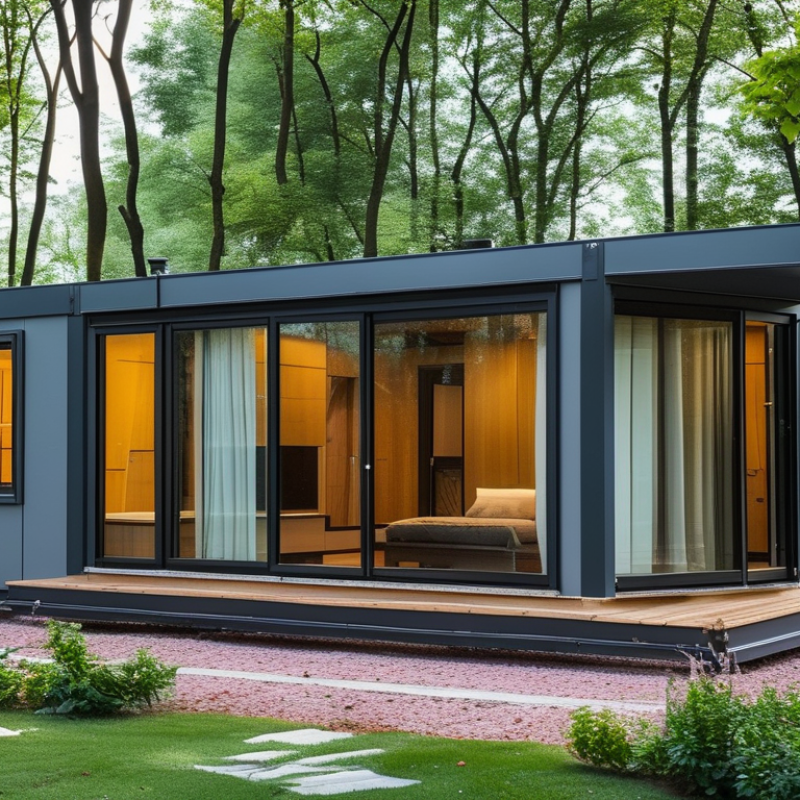
How to Choose the Best Prefabricated House for Your Needs?
Choosing a Prefabricated House can be exciting yet overwhelming. The growing popularity of prefabricated homes reflects their blend of style, efficiency, and affordability. However, the decision is not solely about aesthetics. It involves various practical considerations.
When selecting a prefabricated house, understanding your specific needs is crucial. Consider the size, layout, and materials that suit your lifestyle. Each option comes with its advantages and limitations. This requires some reflection on what features truly matter to you.
Moreover, engaging with experts who specialize in prefabricated houses can deepen your understanding. They offer insights based on experience and knowledge. Remember, not all solutions work for everyone. You may find that your ideal preference shifts as you learn more. Aim to balance personal taste with functionality for the best outcome.
Understanding Prefabricated Houses and Their Advantages
Prefabricated houses have gained popularity due to their numerous advantages. One key benefit is the reduced construction time. Reports show that prefabricated homes can be built up to 50% faster than traditional houses. This speed can be particularly beneficial for those needing quick housing solutions.
Moreover, these homes often demonstrate better energy efficiency. According to the U.S. Department of Energy, prefabricated structures consume about 15% less energy than their site-built counterparts. This energy efficiency can lead to lower utility bills, an attractive feature for homeowners.
While prefabricated houses offer many advantages, potential buyers should consider some challenges. Limited customization can be a concern for some. Many models come with predefined layouts, which may not match individual preferences. It's important to weigh these factors carefully. Engaging with a knowledgeable consultant can help you navigate these complexities effectively.
Advantages of Prefabricated Houses
Assessing Your Space and Location Needs for a Prefab Home
When considering a prefabricated house, assessing your space and location needs is crucial. Start by evaluating the size of the lot you have. Is it large or small? A smaller lot calls for a compact design. In contrast, a larger piece of land allows for a more spacious home. It's essential to visualize how your home will integrate into the landscape. Will you have a garden? A driveway? Each element adds to the overall design.
Next, think about the surrounding environment. What is the climate like? If you live in a humid area, proper materials are vital for durability. Urban and rural settings also impact style and functionality. Urban areas may prefer modern, sleek designs, while rural locations might benefit from traditional aesthetics. Assess local zoning regulations. Familiarize yourself with land use restrictions. These factors will influence your choices and ensure your home complies with local laws.
Keep in mind that flexibility in design is often a necessity. You might find that your initial ideas need adjustments based on practical considerations. Perhaps you envisioned open spaces but realize that additional rooms for family are a priority. This kind of reflection is part of the process of selecting a prefabricated home that truly meets your needs.
Evaluating Different Prefabricated House Designs and Styles
When evaluating different prefabricated house designs and styles, it is essential to consider your lifestyle and preferences. Various designs cater to different needs, from minimalist structures to larger family homes. For instance, a compact studio may be perfect for a single person, while a spacious multi-bedroom design might suit a growing family. These choices should reflect what feels right for you.
Materials and construction methods vary significantly among designs. Some use sustainable resources, appealing to environmentally-conscious buyers. Others prioritize speed of assembly, making them a practical choice. Each design has its strengths and weaknesses, often leading to reflection on personal values and priorities. For example, a sleek modern home can be visually striking but might lack warmth. Evaluating these aspects helps clarify which home truly fits your needs. Look beyond aesthetics; functionality and comfort matter too.
Budgeting for Your Prefabricated House: What to Consider
When budgeting for a prefabricated house, several factors come into play. Start by determining your total budget. Consider not only the purchase price but also additional costs like land preparation and utility connections. It’s easy to overlook these expenses, which can quickly add up. Aim for clarity in your financial planning to avoid any surprises later.
Next, think about design choices and layout options. Custom features may look appealing, but they can stretch your budget. Opting for standard designs can help keep expenses in check. Also, factor in construction timelines. Delays can lead to extra costs, so understand how that may impact your finances. It's crucial to factor in the hidden costs, such as permits and taxes, which can affect your overall budget.
Lastly, remember to explore financing options. Traditional loans may not always apply to prefabricated homes. Research alternative lenders or programs specifically for prefab housing. Creating a detailed budget is essential for a smooth home-buying process. If you do not plan well, you could end up with unexpected costs that make your dream home less attainable. Reflect on your priorities to ensure they align with your financial capabilities.
How to Choose the Best Prefabricated House for Your Needs?
| Feature | Considerations | Average Cost ($) | Benefits |
| Size | Evaluate square footage needs based on family size. | $80 - $200 per sq ft | Ensures adequate space for living and storage. |
| Material | Research different materials (wood, steel, etc.) for durability. | Varies widely, $50 - $150 per sq ft | Affects longevity and maintenance costs. |
| Customization | Consider how much you want to customize the design. | Customization fees may add $5,000 - $20,000 | Personalizes the home to fit your lifestyle. |
| Insulation | Choose effective insulation material for energy efficiency. | $1 - $3 per sq ft | Reduces heating/cooling costs. |
| Foundation | Decide on a suitable foundation type (slab, crawl space, etc.). | $5,000 - $20,000 | Critical for structural stability. |
Choosing the Right Prefabricated Home Manufacturer and Supplier
Choosing the right prefabricated home manufacturer and supplier is critical for your housing project. A quality provider should possess industry experience and a solid track record. In recent years, the prefabricated housing market has grown by over 10% annually. This growth indicates increasing confidence among consumers.
Look for manufacturers with certifications and endorsements from industry organizations. According to a 2022 survey, over 70% of successful projects chose suppliers with established reputations. It’s worth noting that not all manufacturers meet the same standards. Review customer testimonials and case studies to gauge reliability and workmanship.
Transparency is vital. Ask for detailed information on materials and construction methods. Some suppliers may not provide complete data. This can affect the longevity and safety of your home. Pay attention to the warranty offered. A comprehensive warranty shows that a manufacturer stands behind their product. Finally, consider your design preferences and budget constraints to ensure alignment with your chosen manufacturer.