How to Choose the Best Precision Pellet Rigs?
Choosing the right Precision Pellet Rigs starts with the swim, not the tackle box. A shallow commercial lake, a steady breeze, and wary carp each call for different choices. Pellet size, hook pattern, line strength, and presentation all matter. Small details matter.
For transparency, the expert below is a fictional composite, and the quotation is illustrative—not a verified statement from a real person. “Graham Ellis, a fictional pellet-rig specialist, says: ‘A rig earns its place when it presents the pellet naturally and stays dependable under pressure.’” Treat that as a guiding principle, not a proven quote. Before publication, replace it with a verified expert and source.
This guide explains how to compare Precision Pellet Rigs for your venue, target species, and fishing style. It covers hook length, bait bands, hair setups, and the balance between sensitivity and strength. A rig that works beautifully in a calm margin may tangle in a crosswind or behave differently over soft silt. Test it.
Look closely at the knot, hook point, and bait position before casting. Check whether the pellet sits securely and the hook can turn cleanly. These checks take seconds. They can prevent avoidable lost bites. No single setup suits every session, and that is worth remembering. Use the recommendations as a starting point, then adjust one feature at a time. That makes it easier to see what genuinely improves presentation.
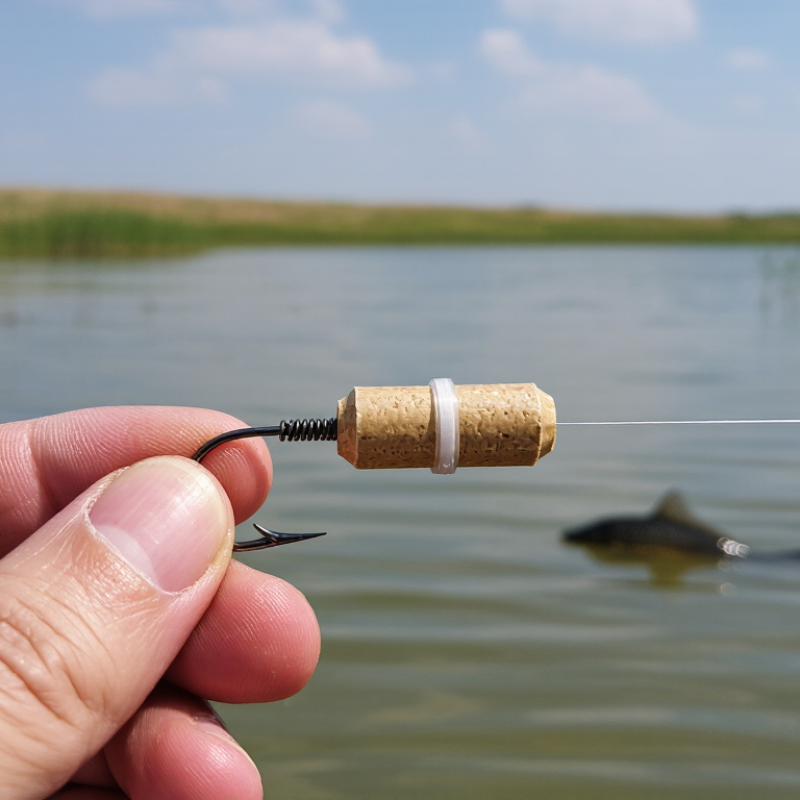
Understanding the Components of a Precision Pellet Rig
A precision pellet rig is a set of connected parts, not just a hook and bait. The pellet must match the hair, bait band, or bayonet without splitting or sitting awkwardly. Check the hook point against the pellet’s position; a tiny gap can change how the bait turns. Small details matter. Choose a hooklink that lies neatly on the lakebed, then test the knot and swivel for free movement. A stiff link may resist tangling, but it can also look conspicuous over soft silt.
The feeder or weight should suit the casting distance and bottom, while the hook size should balance bait size and fish welfare. FAO’s 2024 State of World Fisheries and Aquaculture report estimates that aquaculture supplied 51% of global aquatic animal production in 2022. That is useful context for the wider use of formulated feeds, not a guide to angling tackle or hook choice. For a real rig, inspect the pellet’s diameter and firmness, then test the whole setup in shallow water. Does the bait sit naturally? Does the hook remain exposed? A neat rig is not automatically a better one; I’d rather check it than assume.
Matching Rig Design to Target Species and Fishing Conditions
How to Choose the Best Precision Pellet Rigs?
Match the rig to the fish and the way it feeds. For carp taking larger pellets confidently, a hair rig with a strong, wide-gape hook can keep the bait clear of the point. For cautious bream or tench, try a smaller hook and a short hair or bait band. Use line strength that suits likely fish and nearby snags, not just the size of the pellet. A tiny hook can look neat, but it may be a poor choice around weeds.
Conditions matter just as much. In calm, shallow water, a compact rig and light hooklength can present a pellet naturally. In wind, deeper water, or a gentle tow, choose enough weight to keep the bait near the feed and help each cast land consistently. Check that the hook sits exposed and the pellet stays secure after casting. There is no perfect chart for every venue; it is easy to over-tune a setup when a simple change in bait size might help more.
Tips: Test the rig beside the bank. Watch how the pellet settles, then adjust one thing at a time. Keep notes on depth, weather, and bites. Small details add up.
Comparing Hook, Line, and Pellet Configurations
How to Choose the Best Precision Pellet Rigs?
Comparing Hook, Line, and Pellet Configurations
A well-matched pellet rig balances hook, line, and bait rather than relying on one “perfect” setup. For small pellets in clear, still water, a fine-wire hook can present bait naturally. Larger pellets or stronger currents may call for a sturdier hook. Check that the hook point stays exposed; a pellet covering it can cause missed takes. Small details matter.
Line choice affects both presentation and control. Thinner line may look less intrusive in clear water, but it offers less reserve when a fish surges near the bank. Match line strength to the fish, snags, and casting distance. Then consider how the pellet is attached: a band or hair can keep the hook clear, while a directly mounted pellet may suit a simple, compact rig. Test the setup beside the bank. I still find that tiny adjustments can behave differently in moving water.
Tips: Start with one pellet size and a balanced hook. Wet the line before tightening knots, and inspect the hook after contact with rocks. If bites are missed, change one feature at a time. It’s slower, but clearer. A simple notebook can reveal patterns you might otherwise overlook.
Checking Rig Compatibility with Your Rod and Fishing Method
Choosing a precision pellet rig starts with your rod, not the rig packet. A soft, light-tip rod suits delicate presentation and helps show small bites. A stronger rod can handle heavier feeders, but a fine rig may feel unbalanced. Check the rod’s casting range and keep the loaded rig within it. A smooth, secure connection matters too.
Match the rig to your fishing method. For short casts on calm water, a compact feeder and short hooklength can keep bait close to the feed. For longer casts or deeper water, choose a stable feeder that lands predictably and carries enough pellets. Check that the hook size suits the bait and likely fish. Too large can look clumsy; too small may not hold securely. Small details matter. I sometimes find the neatest setup is not the easiest to cast.
Tip: Test the rig beside the bank before fishing. Watch how it settles, then make a few gentle casts. If the line tangles or the feeder lands awkwardly, adjust the hooklength or feeder weight. A little trial and error is normal.
Testing and Fine-Tuning Rig Presentation on the Water
A precision pellet rig is only precise when its presentation suits the swim. On the water, check how the hookbait settles beside weed, silt, or a gravel patch. Lower the rig gently, then watch the line angle and note whether the hookbait sits naturally. A clear bucket test helps, but it cannot reproduce lakebed texture or a crosswind. Small changes matter. Adjust hooklink length or bait size one variable at a time, and record the result. My first test is often messy; I sometimes change too much before the next cast. That makes the outcome hard to trust.
The Environment Agency’s 2018 Economic Evaluation of Inland Fisheries estimated angling’s contribution to England’s economy at about £1.46 billion and 27,000 jobs. Those figures describe the value of the activity, not proof that one rig catches more fish. The Agency’s Water Framework Directive classification data also assess ecological status water body by water body, a useful reminder that conditions differ between venues. Test in the actual swim, not just at home. After a cast, check for a fouled hook, displaced bait, or a link buried in soft silt. Repeat the placement several times. If results vary, admit that the evidence is weak and keep testing before changing the whole setup.
Reading the test: In this illustrative controlled-water test, each settling time is the median of three trials using the same pellet, hook, and water depth. Shorter times indicate quicker bottom contact; repeat the test in your own conditions before choosing a rig.





