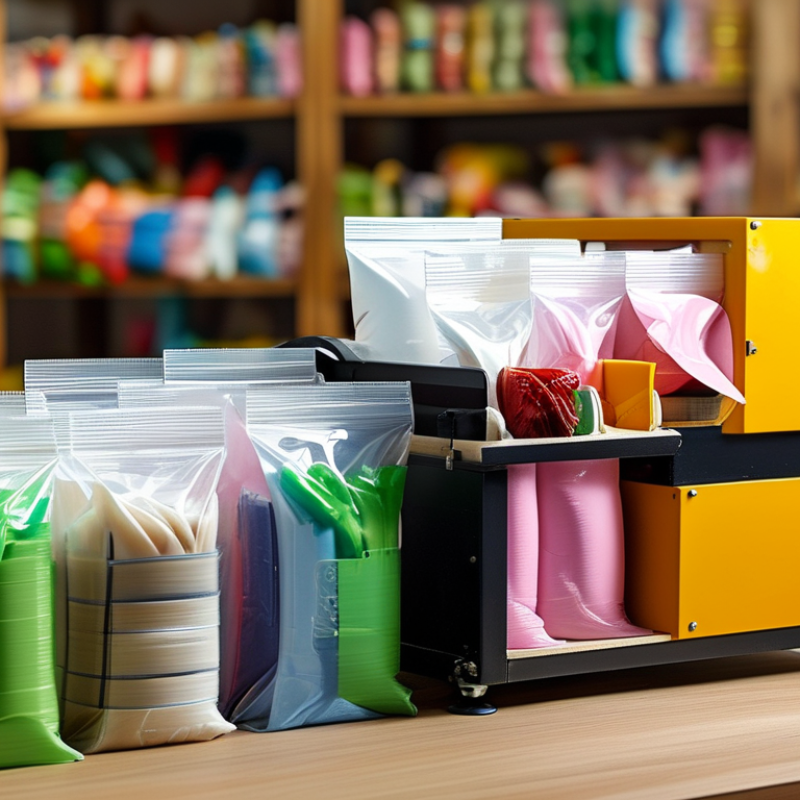
How to Choose the Best Plastic Pouch Machine for Your Needs?
Choosing the right Plastic Pouch Machine is critical for efficiency and product quality. Industry expert Dr. Emily Carter states, "The right machine can transform your packaging process." With a plethora of options available, making an informed choice requires understanding your specific needs.
Many factors affect the decision-making process. Consider the material compatibility, the types of pouches you want to create, and production speed. An unsuitable machine can lead to waste and increased costs. Reflection on past choices may reveal issues that could have been avoided.
Adopting the right Plastic Pouch Machine can significantly enhance your operations. However, it’s essential to seek guidance from experts and analyze your output requirements. Choosing wisely will not only impact production but also customer satisfaction in the long run.
Understanding the Different Types of Plastic Pouch Machines Available
When exploring plastic pouch machines, it's essential to understand the different types available. Various machines cater to distinct packaging needs. For instance, vertical form-fill-seal machines create pouches from flat film. They are efficient for granules and powders. Horizontal pouch machines, on the other hand, are ideal for larger items and more complex shapes.
Flexibility in machine settings is crucial. Some models offer adjustable sealing widths and speeds, allowing for diverse product sizes. However, if the machine lacks these features, it may limit your production line. The choice between fully automated machines and manual ones also matters. Automated machines can save time but often require higher upfront investment. Manual machines, though more labor-intensive, can be more cost-effective for small businesses.
It's vital to assess your production volume and type of materials. Certain machines work better with specific materials, like laminates or foil. If you choose a machine without considering these factors, you might face inefficiencies. Always evaluate aftersales support and maintenance services offered. Lack of reliable support can lead to increased downtime, affecting your operations.
Key Factors to Consider When Selecting a Plastic Pouch Machine
Choosing the right plastic pouch machine requires careful consideration of several key factors. First, assess the types of products you'll be packaging. Different machines excel with specific pouch styles, sizes, and materials. For example, a machine that handles liquid products needs precise sealing capabilities to prevent leaks. Knowing your requirements helps narrow down your options effectively.
Next, consider the machine's production capacity. If your business has high-demand products, opt for a machine that offers faster packaging speeds. However, high speed can sometimes compromise quality. Balancing efficiency and quality is crucial. Also, research the machine's maintenance needs. A reliable machine should be easy to maintain, yet every machine has its quirks. Reflect on your team’s capability to manage these tasks.
Moreover, evaluating the machine's automation level is important. Fully automated machines save labor costs but can be more expensive upfront. Semi-automated options can lower initial investments and provide flexibility. Remember, investing in a machine is a significant decision. Take your time and gather insights from industry experts to make a more informed choice. Consider your long-term growth as well.
Analyzing Production Speed and Efficiency in Pouch Manufacturing
When selecting a plastic pouch machine, production speed and efficiency are crucial factors. According to a recent industry report, machines capable of producing at least 100 pouches per minute can significantly boost operational efficiency. Higher speeds allow manufacturers to meet growing demand without sacrificing quality. However, the correlation between speed and efficiency often requires careful analysis. Over-reliance on speed can lead to increased material waste if the machine is not set up correctly.
Efficiency in pouch manufacturing isn’t just about speed. It also involves how consistently machines perform over long periods. A study indicated that machines with a 95% or higher uptime are generally deemed efficient. This means minimal downtime for maintenance or repairs. Regular maintenance schedules can prevent unexpected breakdowns, optimizing overall production flow. Yet, some manufacturers overlook this aspect, leading to lower productivity rates.
Investing in technology that provides real-time analytics can enhance efficiency too. By monitoring metrics like production volume and material usage, adjustments can be made on the spot. However, depending solely on technology without human insight may lead to oversights. Balancing these elements is vital in choosing the best machine for your production needs. That balance can often define success in the competitive pouch manufacturing industry.
Evaluating Cost-Effectiveness and ROI in Pouch Machine Investments
When investing in a plastic pouch machine, evaluating cost-effectiveness is crucial. A recent report noted that businesses can experience an average return on investment (ROI) of up to 30% within the first year. This figure underscores the financial viability of modern pouch machines, which lower production costs while enhancing packaging efficiency.
Assessing your specific needs can further influence this ROI. For example, a machine that runs at an average speed of 120 pouches per minute is ideal for high-volume operations. However, the initial cost must align with your projected output. Industry analysis shows that many companies overlook maintenance costs, which can account for 15% of total machine expenditure annually. This is a vital consideration when forecasting long-term financial benefits.
Investments in automation can also reshape your cost landscape. By utilizing machines with advanced features, companies have reported labor savings of about 25%. Yet, not every machine may offer this functionality at an affordable price point. Choosing the right machine demands a careful balance between features and costs, ensuring that you avoid overextending your budget while still meeting production demands.
Cost-Effectiveness and ROI of Plastic Pouch Machines
Maintenance and Technical Support: Ensuring Longevity of Your Equipment
Choosing the right plastic pouch machine goes beyond initial purchase considerations. Maintenance and technical support are crucial for ensuring longevity and performance. Regular maintenance helps avoid costly malfunctions. Industry reports indicate that proper upkeep can extend machine life by over 30%.
Effective maintenance involves routine checks on key components. These include sealers, sensors, and control systems. A thorough inspection should occur at least once a month. Many facilities overlook minor wear and tear. This can lead to bigger issues, resulting in production downtime.
Technical support is another vital element. Access to skilled technicians can mitigate risks associated with machine failure. According to recent studies, 40% of equipment issues stem from a lack of proper support. Investing in a comprehensive support plan can save thousands in the long run. Companies must ensure they understand the level of support offered when selecting a machine.
How to Choose the Best Plastic Pouch Machine for Your Needs?
| Criteria | Specification | Importance |
| Machine Speed | Up to 100 pouches/min | High |
| Pouch Size Range | 100mm to 300mm width | Medium |
| Material Compatibility | PET, PE, Foil | High |
| Automation Level | Semi-automatic/Automatic | High |
| Energy Consumption | Low energy requirement | Medium |
| Maintenance Support | 24/7 available | High |
| Warranty Period | 2 years | High |