How to Choose the Best Metal Tool Box for Your Needs?
Choosing the right Metal Tool Box is crucial for anyone involved in DIY projects or professional work. A comprehensive industry report from IBISWorld indicates that the tool storage market is expected to grow by 3.1% annually. This highlights a rising interest in efficient organization and durability in tool storage solutions.
Metal tool boxes are not only sturdy but also provide enhanced security for your tools. They can withstand harsh conditions, making them suitable for both indoor and outdoor environments. However, picking the perfect option can be overwhelming. Consider your specific needs, such as size, portability, and storage features.
While many brands claim to offer the best, discerning quality requires research. Look for warranties and customer reviews to gauge reliability. It's worth noting that not all metal tool boxes are created equal. Some may lack essential features, leading to unmet expectations. A thoughtful approach will ensure you select a box that aligns with your requirements.
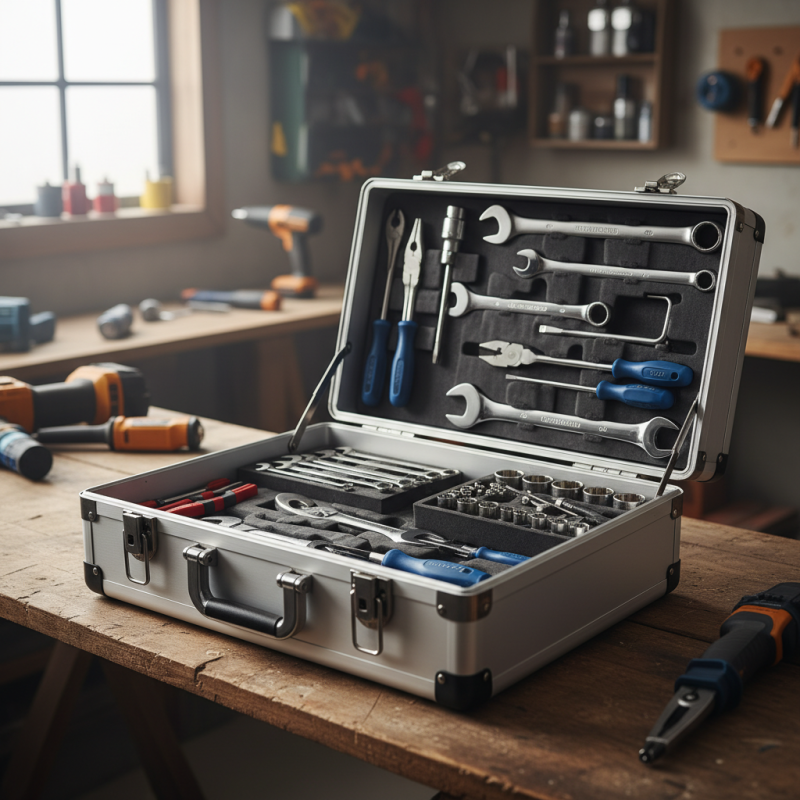
Factors to Consider When Selecting a Metal Tool Box
Choosing the right metal tool box requires careful consideration of several factors. First, assess the size you need. A tool box that's too small limits your storage options. Conversely, one that's too large can be cumbersome to transport. Measure your tools and consider their types. If you have power tools, ensure adequate space and compartments.
Durability is another critical aspect. Metal tool boxes should withstand daily use and potential damage from drops. Look for thicker materials that can resist dents and rust. The locking mechanism is essential for security. You want a box that keeps your tools safe, especially on job sites.
Finally, think about portability. Some boxes have wheels, making it easier to transport heavier loads. Others come with ergonomic handles for comfortable lifting. Reflect on how often you move your tools. This will influence your decision. Choosing the right tool box can be overwhelming, but focusing on these areas will help you make an informed choice.
How to Choose the Best Metal Tool Box: Key Factors to Consider
Material Durability: Understanding Gauge Thickness and Steel Types
When selecting a metal tool box, the material's durability is crucial. The gauge thickness and type of steel play a significant role in how well the box can withstand wear and tear. For instance, steel typically ranges from 12 to 20 gauge. Thicker steel, like 12 or 14 gauge, offers superior strength but comes with added weight. A report from the Metal Construction Association highlights that a gauge of 14 or lower can significantly improve longevity and protection against heavy tools.
Understanding the types of steel is just as vital. Carbon steel is tough and highly durable, making it ideal for demanding environments. Stainless steel, while often more expensive, offers excellent corrosion resistance and is perfect for moist or outdoor conditions. However, not all stainless steel is equal; look for 304 or 316 grades for optimal performance.
Tip: Check the weight capacity of your chosen toolbox. It should align with the tools you plan to store. A well-balanced box can prevent tipping or damage during transport.
Consider the construction method as well. Welded seams provide better durability than those using screws. Even a small design flaw can lead to issues down the road. Assessing these details helps ensure your investment in a toolbox meets your needs reliably.
How to Choose the Best Metal Tool Box for Your Needs?
| Tool Box Type | Material | Gauge Thickness | Durability Rating | Weight Capacity |
| Portable Tool Box | Steel | 18 Gauge | High | 200 lbs |
| Rolling Tool Chest | Heavy-Duty Steel | 16 Gauge | Very High | 500 lbs |
| Workshop Tool Organizer | Aluminum | 20 Gauge | Moderate | 150 lbs |
| Tool Cabinet | Cold Rolled Steel | 14 Gauge | Excellent | 600 lbs |
| Stackable Tool Box | Galvanized Steel | 19 Gauge | High | 300 lbs |
Storage Capacity: Determining Size Based on Tool Inventory
When choosing a metal tool box, storage capacity is crucial. Think about how many tools you have. This will help you determine the right size for your needs. A tool box that is too small can lead to clutter. On the other hand, an oversized box may take up unnecessary space.
Assessing your tool inventory is a good first step. You might have hand tools, power tools, or specialty equipment. Each type of tool requires different storage considerations. For example, larger power tools need more space and protection. Smaller hand tools can fit into compartments. Visualize how you use them daily. This will guide your choice.
An important aspect of tool storage is accessibility. Ensure you can easily reach your most-used items. Consider how often you add new tools to your collection. You may need to adjust your storage capacity over time. Reflection on your needs can prevent future frustrations. A thoughtful approach to your tool box will enhance your overall experience.
Portability Features: Evaluating Weight and Handle Design
When selecting a metal tool box, portability is often a top priority. The weight of the toolbox plays a crucial role in its usability. A lighter box is easier to transport, especially if you move around frequently. However, lighter materials may compromise durability. Striking a balance between weight and sturdiness can be challenging. Heavy tool boxes provide better protection but can be exhausting to carry, particularly over long distances.
Handle design is just as important. An ergonomic handle makes lifting and transporting your toolbox more comfortable. Look for handles that have a good grip and feel secure in your hand. Some handles swivel or fold for space efficiency, which can be a real advantage. Consider testing the handle before purchasing. Does it feel right when you lift it? You might find after a few uses that it hurts your hand. Not every design suits every user.
In addition, don’t overlook mobility features like wheels. A toolbox with wheels can alleviate strain on your back and arms. Heavy models can become cumbersome without proper wheels. Yet, if the wheels are too small, the toolbox may not roll smoothly on uneven surfaces. Evaluate your work environment to determine what features will serve you best. An ideal toolbox meets both your portability needs and specific project requirements.
Security Options: Importance of Locking Mechanisms for Safety
When selecting a metal tool box, security should be a top priority. The importance of effective locking mechanisms cannot be overstated. Research shows that nearly 30% of tool losses occur due to inadequate security features. A sturdy lock can deter would-be thieves and protect your valuable tools.
Locking mechanisms come in various forms, such as padlocks, built-in locks, and combination locks. Each type offers unique advantages. For instance, padlocks are easily replaced but can be bypassed. On the other hand, combination locks provide better security but can be challenging to reset if forgotten. According to a 2022 survey by Security Magazine, 45% of tool owners reported feeling more secure with high-quality locks on their tool boxes.
Consider ease of access versus safety. It’s crucial to find a balance. Some locks are complex and time-consuming, potentially frustrating users during urgent situations. An effective locking mechanism should provide convenience without compromising safety. Moreover, regular maintenance of locks is essential; a well-lubricated lock is less likely to malfunction. Investing in a secure tool box will pay off in the long run.





