How to Choose the Best Melting Furnace for Your Needs?
Choosing the right Melting Furnace is crucial for any metalworking project. According to expert John Smith, a renowned metallurgical engineer, "The quality of your melting furnace can dictate the success of your operations." Smith emphasizes the importance of understanding your specific needs before making a decision.
When evaluating a melting furnace, consider factors like capacity, fuel type, and heating method. Each attribute significantly affects efficiency and output quality. For instance, an electric furnace may offer precision, while a gas furnace can provide faster heat-up times. Make sure to weigh these details carefully, as the wrong choice can lead to wasted resources and time.
It’s also essential to gauge the reliability of your selected furnace. Look for customer reviews and industry testimonials. A trusted supplier should stand behind their products. Don’t rush this process. A thoughtful approach can lead to better results in your projects.
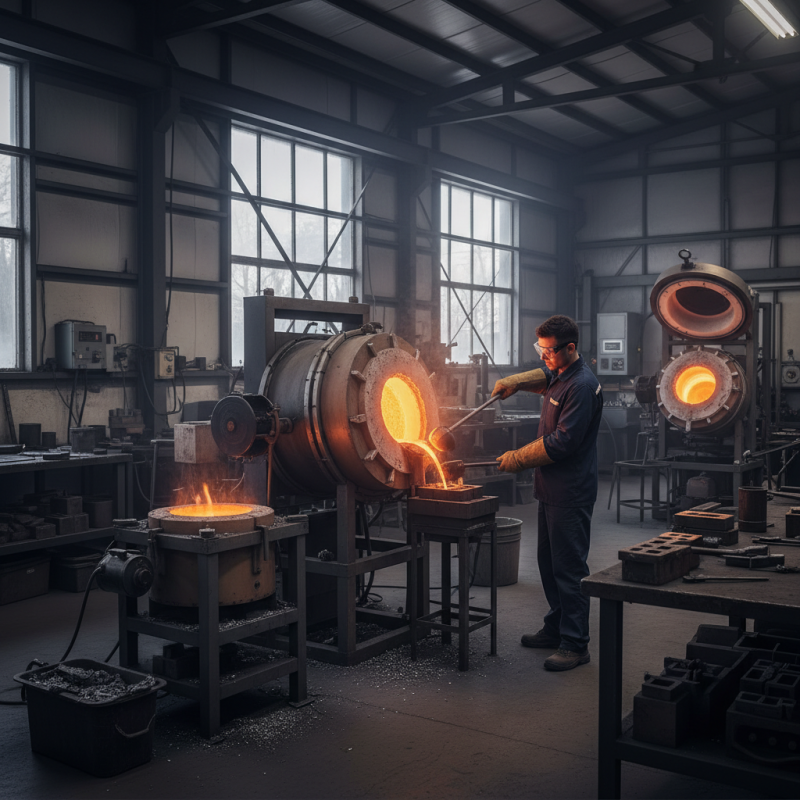
Understanding the Different Types of Melting Furnaces Available
When it comes to selecting a melting furnace, understanding the types available is crucial. There are various options, including electric, gas, and induction furnaces. Each type has unique features that cater to different melting needs.
Electric furnaces are known for their ease of use and precise temperature control. They are suitable for small batches and less demanding materials. The downside? They can be costly to operate, especially for larger projects.
Gas furnaces, on the other hand, offer rapid heating and larger capacities. Their operational costs can be lower, but they require proper ventilation and safety measures.
Induction furnaces are highly efficient for metal melting. They use electromagnetic fields to heat the material directly. This method minimizes heat loss. However, they may require a higher initial investment.
Choosing the right melting furnace is not solely about capacity. Consider energy efficiency and safety features as well. Understanding the benefits and drawbacks of each type is essential for making an informed choice.
Factors to Consider When Choosing a Melting Furnace
Choosing the right melting furnace is crucial for optimizing metalworking processes. Several factors come into play when making this decision. First, consider the furnace type based on your specific metal melting needs. Induction furnaces are known for their efficiency and precision. They can reach temperatures up to 3,200°F (1,760°C). On the other hand, resistance furnaces are often more suitable for smaller operations with lower melting points.
Energy consumption is another key factor. Reports indicate that induction furnaces are about 30% more energy-efficient than traditional methods. This can lead to significant savings, especially in large-scale operations. Maintenance requirements also affect the selection process. Some furnaces might require more upkeep than others, impacting long-term operational costs.
Capacity is essential. Evaluate the maximum load your furnace needs to handle. A small furnace may suffice for hobbyists, while larger operations may need capacity for several tons of metal. Additionally, safety features should not be overlooked. Inadequate safety measures can result in accidents, jeopardizing workers and operations. Balancing these factors can be complex, and it's vital to reflect on your specific requirements for optimal results.
Evaluating the Energy Efficiency of Melting Furnaces
When selecting a melting furnace, energy efficiency plays a crucial role. Ensuring that your furnace is energy-efficient can significantly reduce operating costs. A furnace with optimal energy usage makes it easier to maintain consistent temperatures while cutting down on electricity bills. Look for models with high energy ratings, which typically feature improved insulation and advanced heating technologies.
Consider the heating method as well. Electric furnaces tend to be more energy-efficient than gas ones, especially in small-scale operations. However, it's essential to evaluate your specific needs and the type of materials you plan to melt. Each material has different energy requirements, and understanding this can impact your decision-making process.
Remember that the initial cost may be higher for energy-efficient furnaces. Striking a balance between upfront investment and long-term savings requires careful thought. While energy-efficient options may lead to lower costs over time, the return on investment is not always immediately clear. Some users may find it takes time to see significant energy savings. Evaluating the overall lifecycle costs can lead to a more informed choice.
Energy Efficiency of Different Melting Furnaces
Assessing Safety Features in Melting Furnaces
When selecting a melting furnace, safety features are paramount. Understanding potential hazards can greatly reduce the risk of accidents. According to the U.S. Occupational Safety and Health Administration (OSHA), incidents related to furnace operations account for a significant percentage of workplace injuries. Comprehensive safety assessments are essential.
Look for furnaces equipped with automatic shut-off systems and temperature controls. These features can prevent overheating, a common cause of furnace-related accidents. A 2022 industry report noted that furnaces with advanced safety measures reduced the likelihood of thermal incidents by over 40%. Additionally, consider protective barriers and proper ventilation systems to ensure a safer operating environment.
Regular maintenance and training are crucial components as well. Improper use of equipment can negate safety features. A survey conducted by the National Institute for Occupational Safety and Health highlighted that nearly 30% of accidents stemmed from inadequate training. It's vital that operators understand how to handle the machinery safely. Evaluate your team's training programs regularly to maintain high safety standards.
Comparing Costs and Budget for Your Melting Furnace Selection
When selecting a melting furnace, budget considerations play a crucial role. Industry reports indicate that costs can vary dramatically, with typical models ranging from $2,000 to $20,000. Factors influencing these prices include furnace capacity, material types, and operational efficiency. More sophisticated furnaces, equipped with automation features, often come at a higher price, reflecting their potential for increased productivity.
It's vital to analyze not just the initial purchase price but also operational costs. According to the Association of Melting Furnace Manufacturers, energy consumption can account for as much as 30% of a facility's operational budget. A furnace that uses electricity may be cheaper upfront, but higher energy costs may offset those savings over time. Additional costs, such as maintenance and repair, should also be factored into your overall budget considerations.
Many buyers overlook long-term expenses, focusing solely on the purchase price. This can lead to regrettable choices. Evaluating the total cost of ownership ensures better decisions. By assessing both immediate and ongoing costs, you can select a melting furnace that fits your operational budget and goals effectively. Balancing affordability with long-term performance is essential for achieving sustained success.





