How to Choose the Best Laser Cutter for Your Business Needs?
Choosing the right Laser Cutter is crucial for any business. According to the Allied Market Research report, the global laser cutting machine market was valued at over $5 billion in 2020 and is projected to reach nearly $8 billion by 2027. This growth signifies the increasing reliance on laser cutting technology for various industries, including manufacturing, automotive, and textiles.
When selecting a Laser Cutter, businesses must consider their specific needs. Factors like material types, thickness, and production volume greatly influence the decision-making process. A machine that excels in one area may fall short in another, leading to inefficiencies. For example, some cutters are better suited for intricate designs, while others excel in high-speed production.
Additionally, understanding the technical specifications is vital. This includes wattage, cutting speed, and software compatibility. Reports have shown that businesses often overlook these details, which can result in costly mistakes. Investing time in research and understanding the capabilities and limitations of different models can lead to better outcomes in the long run.
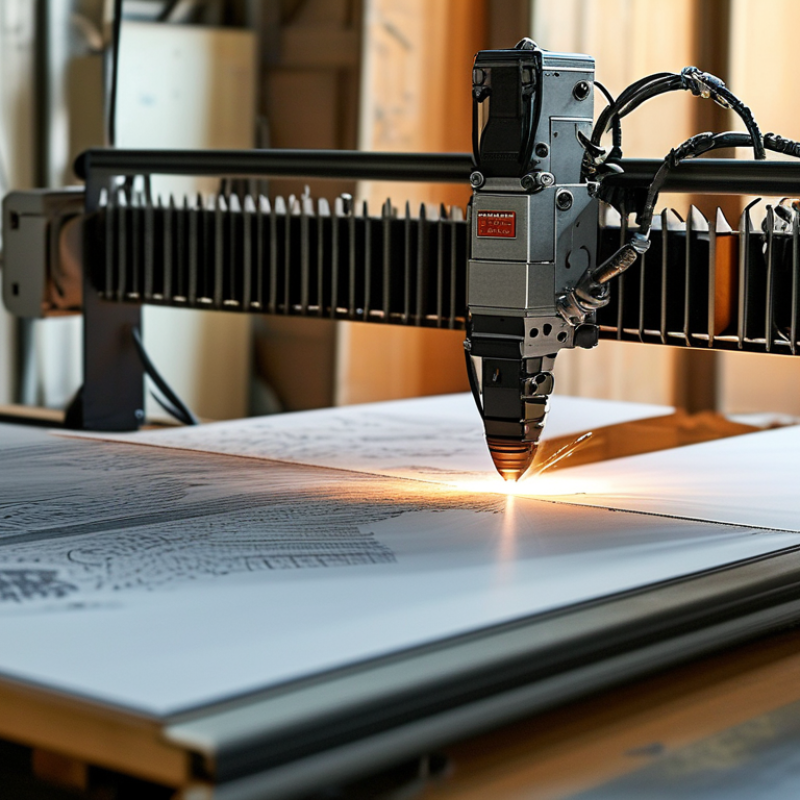
Understanding Your Business Requirements for a Laser Cutter
When selecting a laser cutter for your business, it’s crucial to understand your specific requirements. Consider the materials you'll be working with. Different lasers cut through materials like wood, acrylic, or metal with varying efficiency. Knowing what your primary tasks will be can streamline your decision-making process.
Next, evaluate the production volume you'll need. If your business demands high-output, consider machines with faster cutting speeds and greater durability. Small businesses may start with a basic model but may later find it insufficient. Understanding your growth trajectory is also essential; a short-term solution may become a long-term problem.
Think about the workspace. Do you have a designated area for large equipment? Each model requires specific ventilation and safety considerations. A compact laser cutter might fit neatly into your space, but are you willing to compromise on power? Analyze these factors critically. Balancing needs against resources is challenging yet vital.
Key Features to Consider in a Laser Cutter
When selecting a laser cutter, key features significantly impact your business. Consider the cutting size. A larger bed can accommodate bigger projects. However, it may take more space and require a larger environment. Also, evaluate the laser power. Higher wattage tends to cut through thicker materials. Yet, it can lead to increased energy costs.
The type of laser is essential too. CO2 lasers excel at cutting and engraving non-metals, while fiber lasers are ideal for metals. Think about the cutting speed as well. Faster machines can increase productivity but may compromise the quality of finer details. Examine the software compatibility. User-friendly software enhances operational efficiency but requires regular updates.
Maintenance and support are often overlooked. Regular upkeep is crucial for prolonging your machine's lifespan. Assess if the supplier offers reliable service. Availability of parts is also a concern. A reliable supply chain can mean less downtime for your business. Balancing these features is tough. Reflection on your business needs can guide you in making the best choice.
How to Choose the Best Laser Cutter for Your Business Needs? - Key Features to Consider in a Laser Cutter
| Feature | Importance | Considerations | Estimated Cost ($) |
| Laser Type | High | CO2 vs. Fiber Laser | 2,000 - 10,000 |
| Wattage | High | Thickness of Materials | 1,000 - 5,000 |
| Bed Size | Medium | Material Size & Projects | 500 - 3,000 |
| Speed | High | Production Volume | 250 - 1,500 |
| Software Compatibility | Medium | Design Software Used | 0 - 1,000 |
| Maintenance Requirements | High | Ease of Maintenance | 0 - 500 |
| Safety Features | High | Built-in Safety Mechanisms | 100 - 500 |
Evaluating Different Types of Laser Cutters
When evaluating different types of laser cutters, consider several key factors. The process involves understanding the specific needs of your business. Different laser cutters are designed for varying materials and applications. For instance, CO2 lasers excel in cutting wood and acrylic, while fiber lasers are ideal for metals. Knowing your primary materials helps narrow down choices.
Budget is another essential factor. Entry-level laser cutters may offer fewer features but can be suitable for small businesses. More advanced models, however, come with higher costs. They provide additional capabilities, such as faster cutting speeds and enhanced precision. It’s important to assess whether these features align with your business growth plans.
Maintenance requirements can't be overlooked. Some lasers need frequent upkeep, impacting your productivity. Consider the learning curve associated with each machine. Ease of use is crucial, especially for new users. Technical support and warranty options may also influence your decision. Reflecting on these aspects can help you choose the best laser cutter for your unique needs.
Comparison of Different Types of Laser Cutters
Budget Considerations for Purchasing a Laser Cutter
When considering the purchase of a laser cutter, budget is a crucial factor. Industry reports indicate that small to mid-sized businesses can expect to invest between $5,000 and $20,000 for a reliable laser cutter. This range often includes entry-level machines to more advanced models with improved capabilities. While a lower price might seem attractive, the total cost of ownership often includes maintenance, materials, and potential upgrades.
It’s essential to assess your operational needs carefully. Some businesses underestimate their usage and later find that they require more robust options. A high-quality machine can yield significant savings in the long run. According to a survey by the National Association of Manufacturers, companies that invest in high-quality equipment report up to a 25% increase in productivity. Balancing initial costs with anticipated operational benefits requires a clear understanding of your production goals. Engaging with industry consultants can further refine your decision-making process and lead to more tailored solutions.
Maintenance and Support Services for Laser Cutters
When choosing a laser cutter, maintenance and support services are crucial. Regular upkeep enhances performance and prolongs the machine's lifespan. Understanding the maintenance requirements of a laser cutter can save money in the long run. Basic maintenance tasks include cleaning lenses and mirrors. Neglecting them can lead to poor cut quality.
Having reliable support services is equally important. A manufacturer with good support can assist during emergencies. Quick access to technical help can reduce downtime. Make sure to inquire about response times for service calls. Assess the availability of replacement parts as well. This can be a game-changer when repairs are needed.
Many businesses overlook these aspects. They focus too much on the initial cost instead of long-term efficiency. The right maintenance plan and support network can enhance productivity. Reflect on past experiences where support made a difference. Consider how it could benefit your operations.





