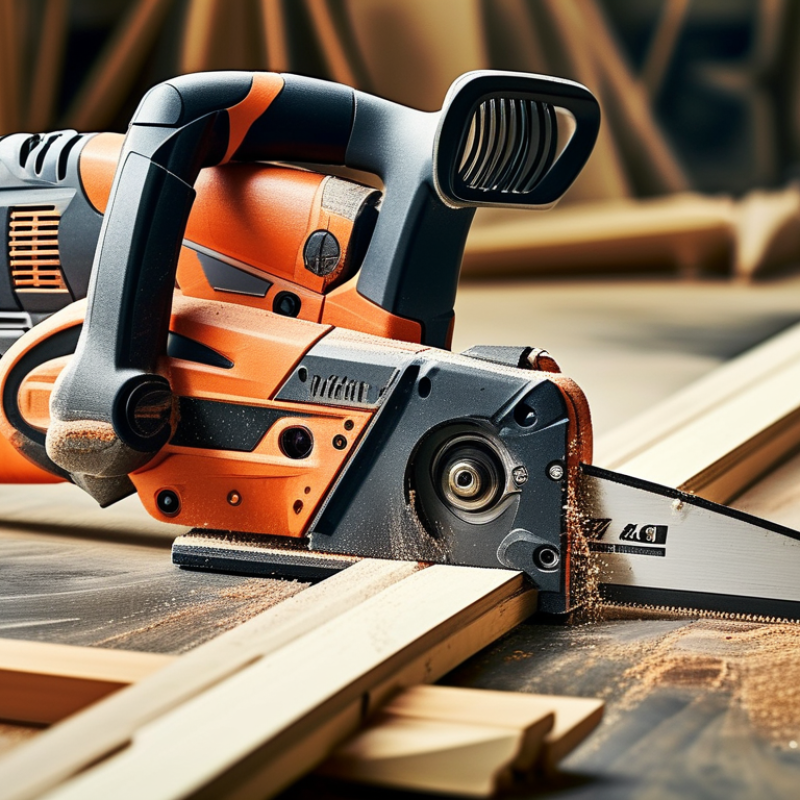
How to Choose the Best Jig Saw for Your Projects?
Choosing the right Jig Saw is crucial for any woodworking project. According to Paul McCarthy, a seasoned expert in power tools, “A good Jig Saw can make or break your project.” Your choice can influence accuracy, efficiency, and the overall quality of your work.
Jig Saws are versatile tools. They can cut curves and intricate designs. However, not all Jig Saws perform the same. Factors like power, blade types, and ergonomic design play a significant role. A skilled woodworker might tell you that it’s often the small details that make a big difference.
When looking for a Jig Saw, it’s wise to consider both features and comfort. Not every option on the market meets high standards. It’s essential to avoid making impulsive decisions. Reflecting on your specific needs often leads to better choices. Selecting the best Jig Saw requires both research and intuition. This will ensure your projects achieve their full potential.
Understanding the Basics of Jigsaws: Key Features and Functions
When choosing a jigsaw, understanding its key features is essential. The blade type directly impacts cutting efficiency. Generally, jigsaw blades come in various sizes and materials. For intricate cuts, finer teeth are ideal. However, for thicker materials, choose a blade with broader teeth. Blade length and attachment method also matter. Some users find quick-release systems more convenient.
The stroke speed and orbital action can enhance your cutting experience. A variable speed feature allows for better control. High-speed settings work well for quick cuts. Orbital action provides a more aggressive cut, especially in thicker wood. Adjusting these settings can improve precision and reduce effort.
Consider the jigsaw's weight and grip. A heavier tool can provide stability but may become tiring for extended use. A comfortable grip ensures better control and less fatigue. Not all jigsaws are ergonomically designed, so testing them is vital. These aspects often lead to frustration during longer projects. Analyzing your cutting needs and comfort is crucial for an efficient workflow.
Evaluating Power Options: Corded vs. Cordless Jigsaws
When choosing between corded and cordless jigsaws, consider your project types and locations. Corded jigsaws usually provide constant power. They're perfect for long, uninterrupted cuts. You won’t face battery limitations, which is a common headache. Corded tools often deliver more power for heavy-duty tasks.
On the flip side, cordless jigsaws offer incredible portability. You can easily move around a job site without being tethered to an outlet. They are ideal for outdoor projects or tight spaces. However, battery life can be a concern. You might find yourself waiting for a recharge during critical moments.
Evaluate your needs carefully. If your projects demand mobility, a cordless saw is beneficial. However, if you’re working on larger tasks, opt for a corded model. Assess the trade-offs of each option and remember: your choice can impact the workflow significantly. Make sure to test both types before committing, as personal comfort and control can vary.
Blade Types and Their Applications: Choosing the Right Blade for Your Needs
Selecting the right jig saw blade is crucial for successful projects. Different blade types serve various cutting applications. For instance, high-carbon steel blades are ideal for softwood. They provide smooth cuts but wear out faster. Bi-metal blades combine toughness and flexibility. This versatility makes them perfect for hardwoods.
When cutting through multiple materials, consider the tooth count. Finer teeth provide cleaner cuts but may be slower. Coarse teeth offer quicker cuts but can leave a rough edge. Knowing the material can guide your choice effectively. A study by the Woodworking Institute revealed that improper blade selection leads to 30% more rework, highlighting the importance of making the right choice.
Tips: Test different blades on scrap materials. It helps you gauge performance without wasting main materials. Always keep extra blades handy for different tasks. Remember, using the right blade not only improves the outcome but also enhances your safety during cutting. Recognizing the subtle differences in blade types can really elevate your project.
Ergonomics and Design: What to Look for in a Comfortable Jigsaw
When choosing a jigsaw, ergonomics and design are crucial factors. A comfortable grip reduces fatigue during extended use. According to a report by the American Society of Safety Engineers, improper tool ergonomics can lead to repetitive strain injuries. Look for a design that fits comfortably in your hand. Models with rubberized grips help absorb vibrations and provide better control.
Weight also plays a significant role in comfort. Lighter jigsaws allow for more maneuverability and less strain on your wrist. The National Tooling and Machining Association noted that the ideal weight range for a jigsaw is between 4 to 6 pounds. This allows for ease of use without sacrificing stability. Additionally, consider the placement of controls. A well-placed trigger and adjustable speed settings can enhance your experience.
Lastly, balance is often overlooked. A well-balanced jigsaw allows for precision cuts with minimal effort. Some designs feature a balanced weight distribution, preventing the tool from tipping during operation. It's worth noting that aesthetics can also impact user experience. A visually appealing design may encourage more frequent use. Choose a model that fulfills both ergonomic and design needs for optimal performance.
Budget Considerations: Finding a Quality Jigsaw Within Your Price Range
When selecting a jigsaw, budget plays a pivotal role. Professionals often cite a price range between $100 and $300 as ideal for a quality jigsaw. A study by the Tool Design Institute found that nearly 70% of users feel satisfied with tools in this range. Spending less can compromise features. You may miss out on vital functionalities like orbital action or variable speed.
Consider the long-term return on investment when choosing a jigsaw. Tools that are too inexpensive often break or fail to perform. The National Tradesmen Federation notes that durability is crucial; users should expect to pay at least $75 for a reliable entry-level model.
Evaluate your specific projects and needs. A higher price usually indicates advanced design and better materials. However, be cautious about overspending. You might not utilize all features in a high-end model. A careful balance of cost and utility will lead to greater satisfaction and success in your projects.
How to Choose the Best Jig Saw for Your Projects? - Budget Considerations: Finding a Quality Jigsaw Within Your Price Range
| Model | Price Range | Power (W) | Cutting Capacity (Wood) | Speed Settings | Weight (lbs) |
| Jigsaw A | $50 - $70 | 500 W | 2.5 inches | 3 Settings | 4.5 lbs |
| Jigsaw B | $80 - $100 | 600 W | 3 inches | 5 Settings | 5.0 lbs |
| Jigsaw C | $100 - $150 | 750 W | 4 inches | 6 Settings | 4.8 lbs |
| Jigsaw D | $150 - $200 | 800 W | 4.5 inches | 7 Settings | 5.5 lbs |