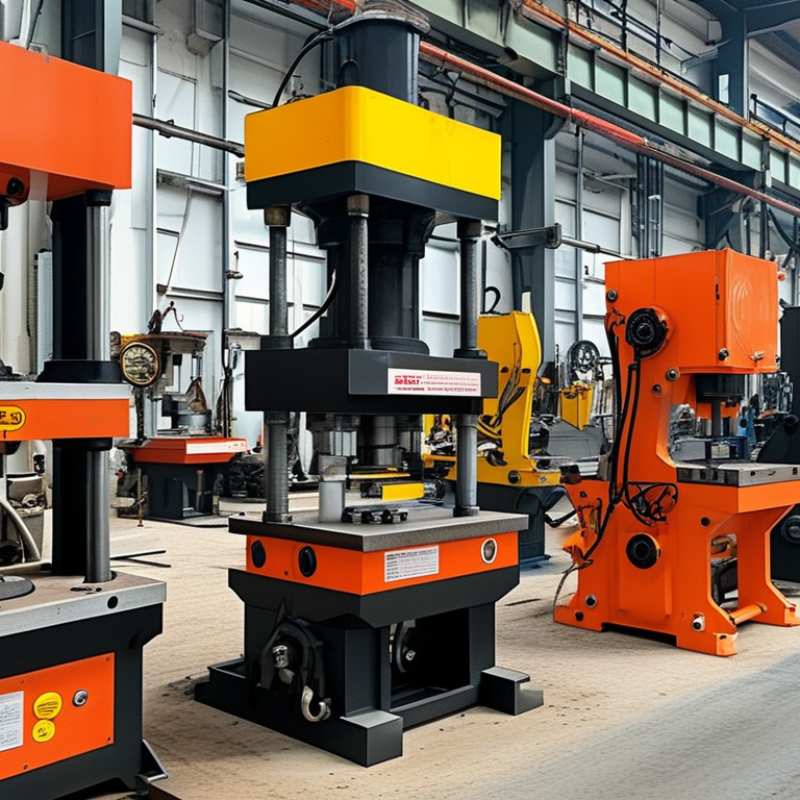
How to Choose the Best Industrial Hydraulic Press for Your Needs?
Choosing the right Industrial Hydraulic Press is crucial for optimizing productivity. The right press impacts efficiency and quality in operations. Understanding various factors can help in making an informed decision.
There are various types of Industrial Hydraulic Presses available. Each serves different purposes. Your specific needs will influence which model is best. Consider the size, capacity, and features that matter most to your projects. Balancing function and budget is essential.
Researching credible sources builds trust in your choice. Reviews and expert opinions can guide you. Yet, evaluating your unique application is vital. Sometimes, even reputable models may not suit your needs. Reflect on your requirements before making a purchase.
Key Considerations When Selecting an Industrial Hydraulic Press
When selecting an industrial hydraulic press, understanding your specific needs is crucial. Consider the maximum tonnage required for your tasks. This directly influences the press's capability to handle various materials and shapes. A crucial aspect is the workspace you have available. A larger press may provide more power but can be a challenge in smaller facilities.
Another important factor is the type of jobs you plan to perform. Different presses excel at specific applications like forming, bending, or assembly. Evaluate the necessary stroke length as well. Insufficient stroke length might lead to issues during operations. It's also worth reflecting on energy efficiency and maintenance. Some presses are more energy-intensive, leading to higher operational costs over time.
Don't overlook safety features. Hydraulic presses can be dangerous if not properly equipped. Look for features that enhance operator safety and reduce risks. Ensure you weigh the cost against the features offered. An expensive press isn't always the best option if it lacks the necessary power or safety features. Balancing quality with financial considerations can be tricky but essential for long-term satisfaction.
Assessing the Required Pressure and Force for Your Applications
When assessing the required pressure and force for your applications, consider the specific tasks you will perform. Different industries require various levels of pressure. For instance, metal forming usually demands higher force than simple assembly tasks. Understanding these differences is crucial. You need to analyze the thickness and material type of the components. This information will guide your choice of hydraulic press.
Pressure ratings are not one-size-fits-all. A press might be overpowered for one job yet inadequate for another. Take time to evaluate the working pressure required for your projects. Tactical adjustments may be necessary as you gain experience. Ensure you note the maximum load your press can handle. This can prevent costly mistakes and equipment damage.
Doing your research is vital. Speak with industry experts or seasoned operators. They can provide insights on force requirements in real-world scenarios. Be open to the idea that your initial needs may adapt over time. Markets evolve, and techniques improve. Your press choice should remain relevant to both current and future applications. Such flexibility ensures lasting reliability in your operations.
Evaluating Size and Capacity for Optimal Performance
Choosing the right size and capacity for an industrial hydraulic press is crucial. The press must fit the specific needs of your projects. An ideal size allows for the efficient processing of materials, avoiding the pitfalls of under or overutilization. Workers may face challenges handling awkwardly sized machines. A press that is too large could occupy valuable floor space, while a small press might limit production capabilities.
Capacity is another pivotal factor. It reflects how much force the press can exert. Selecting a press that meets your production requirements is vital. Assess the materials you will work with. Whether you're working with metal, plastic, or rubber, each requires different force levels. Using a press that can't manage the required load leads to performance issues and possible damage to both machinery and materials.
Consider future needs as well. Industries may evolve, requiring different capacities and sizes. Investing in a hydraulic press with a wider capacity range can save you from needing a replacement soon after. Reflect on your current workflow too. Are the existing machines meeting expectations? Often, companies find themselves stuck in a cycle of inadequate tools. So, ensure the hydraulic press you choose addresses present and future challenges alike.
Comparing Different Types of Hydraulic Press Designs
When selecting an industrial hydraulic press, understanding the different designs is crucial. Common types include C-frame, H-frame, and four-post presses. C-frame presses are compact and versatile, ideal for lighter applications. H-frame designs typically offer greater strength, suitable for heavy-duty tasks. Four-post systems provide excellent stability and are often used for large workpieces.
According to a 2022 industry report, 45% of manufacturers prefer H-frame designs for their durability. However, these may come at a higher initial cost. C-frame presses, while economical, are not always suited for high-tonnage requirements. Users often underestimate the importance of selecting the right design.
Customization is another factor in choosing a hydraulic press. Options for stroke length, tonnage capacity, and pressure specifications can significantly impact efficiency. A study by the Hydraulic Institute highlighted that 30% of users fail to evaluate their specific needs before purchasing. This oversight can lead to operational inefficiencies and increased maintenance costs. Understanding these variations in hydraulic press designs ensures you pick the right tool for your operational needs.
Understanding Safety Features and Maintenance Requirements
When choosing an industrial hydraulic press, safety features should be a top priority. According to the American National Standards Institute (ANSI), more than 30% of workplace injuries in pressing operations are due to equipment failure. Therefore, understanding the safety protocols in place is crucial. Look for features such as emergency stop buttons, protective guards, and automatic shut-off systems. These help minimize the risk of accidents during operation.
Maintenance is another critical aspect. A study from the International Institute of Production Engineering Research (IIPER) found that regular maintenance can reduce the risk of equipment breakdowns by 25%. Routine checks of hydraulic fluid levels, seals, and hoses are essential to ensure optimal performance. Failing to maintain your press could lead to costly repairs and downtime. Documenting maintenance activities also provides a reliable history, which can be invaluable for future evaluations. It’s also worth noting that safety training for operators plays a key role. Despite investing in a high-quality press, neglecting human factors can lead to mishaps.
How to Choose the Best Industrial Hydraulic Press for Your Needs?
| Feature | Description | Importance Level | Maintenance Requirement |
| Safety Guards | Protects operators from moving parts | High | Regular inspections |
| Pressure Relief Valve | Prevents over-pressurization | Critical | Test functionality annually |
| Emergency Stop Button | Immediate halt to operations | Essential | Monthly visual check |
| Hydraulic Fluid Level Indicator | Monitors fluid levels | High | Weekly checks |
| Manual Override | Allows operation during power failure | Important | Bi-annual functionality test |