How to Choose the Best Hydraulic Truck Crane for Your Needs?
Choosing the best Hydraulic Truck Crane is critical for construction and industrial projects. The global Hydraulic Truck Crane market is projected to reach $7 billion by 2025, according to the latest industry report by Statista. This growth reflects the increasing demand for efficient lifting solutions and advances in hydraulic technology. Experts underline the importance of selecting the right crane to optimize safety and productivity.
"Selecting the correct Hydraulic Truck Crane can make or break a project," says Dr. Michael Tan, a leading expert in heavy machinery. His insights emphasize the need for thorough research before making a purchase. Key factors include load capacity, boom length, and mobility. Often, buyers overlook these crucial aspects, leading to equipment mismatches that can stall operations.
Investing in a Hydraulic Truck Crane requires careful consideration of your specific needs. While many options exist, not every crane suits every job. Understanding these variables can enhance efficiency and reduce downtime on-site. The decision is complex and should not be rushed; a well-informed choice can save both time and money in the long run.
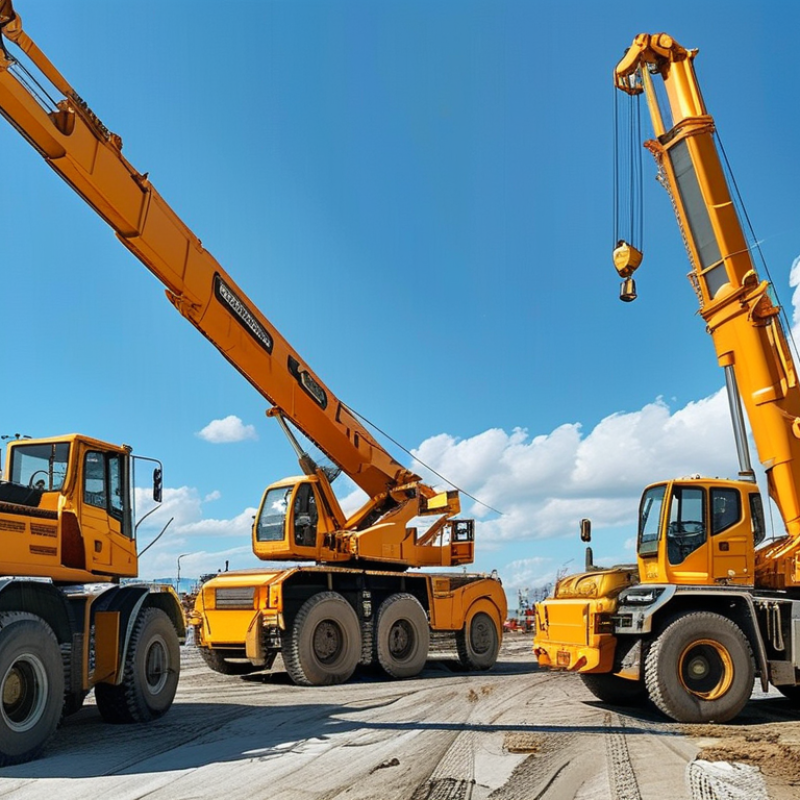
How to Assess Your Lifting Requirements for a Hydraulic Truck Crane
When assessing your lifting requirements for a hydraulic truck crane, start with the load weight. Know the maximum weight you need to lift. It’s crucial. Consider the dimensions of the load as well. This includes height, width, and length. Larger dimensions may require different lifting strategies.
Tips: Always measure the load accurately. A slight mistake can lead to equipment failure. Take note of the work environment too. Is it an indoor or outdoor setting? This can impact crane selection significantly.
Next, evaluate the height and reach needed. How high do you need to lift? What’s the radius of operation? Understand that these factors can determine the type and size of crane necessary.
Tips: If unsure, consult with experts. They can provide insights tailored to your situation. Constantly reflect on your lifting needs. Changes in your projects may require adjustments in your equipment. Remember, not all cranes can handle every task. Adaptability is key.
Hydraulic Truck Crane Lifting Capacity Comparison
Understanding the Different Types and Capacities of Hydraulic Truck Cranes
When selecting a hydraulic truck crane, understanding the various types and their capacities is crucial. Hydraulic truck cranes come in several configurations, each designed for specific lifting tasks. For example, the typical capacity for medium-sized hydraulic truck cranes ranges from 10 to 25 tons. These cranes are ideal for construction and maintenance projects that require lifting heavier loads over moderate distances.
Larger hydraulic truck cranes can lift up to 100 tons or more, making them suitable for heavy construction and industrial applications. Industry reports indicate that about 40% of cranes in urban areas are utilized for large building projects. However, potential buyers often overlook the importance of reach. Many cranes may have sufficient capacity but lack the necessary boom length to perform effectively at certain heights.
When choosing a crane, it's essential to assess both the load requirements and the working environment. Some cranes may struggle on uneven terrain or when confined to tight spaces, regardless of their lifting capabilities. Analyzing these factors can help avoid costly operational shortcomings. This reflection can guide professionals in making informed decisions aligned with their specific lifting objectives.
Evaluating Key Features: Reach, Load Capacity, and Maneuverability
When choosing a hydraulic truck crane, evaluating key features is essential. Reach is a significant factor. It defines how far the crane can extend to lift loads. For tight construction sites, a shorter reach may be more beneficial. However, in broader areas, a crane with an extended reach can help complete tasks efficiently. The choice depends on your specific projects.
Load capacity is another crucial aspect. Different cranes can handle various weights. Understanding your typical loads ensures you select a crane that can manage the heaviest items you'll work with. Many cranes may look similar but have different load limits. It’s essential to check these specifications meticulously.
Maneuverability also impacts performance. A crane that can turn easily might be necessary in confined spaces. Conversely, if you often work on open sites, a more robust model might suffice. Some cranes struggle with agility, especially on uneven terrain. This often leads to operational delays and safety concerns. Always consider where you will be using the crane. Balancing these features will guide you in making an informed decision, yet, it's crucial to reflect on your specific needs and site conditions.
Analyzing the Importance of Safety Standards and Certification in Cranes
When selecting a hydraulic truck crane, safety standards and certification should be paramount in your decision-making process. Cranes are powerful machines that require strict adherence to safety measures. Proper certification ensures that a crane meets industry safety requirements. Organizations often rely on third-party evaluations to confirm this compliance. Look for cranes certified by reputable bodies to guarantee reliable performance.
Moreover, understanding safety features can be overwhelming. Many have advanced systems like overload sensors and emergency load-holding valves. These features are vital in mitigating risks during operation. However, not all cranes may include them as standard. It’s essential to inquire about these aspects during your evaluation. Even if a crane passes initial checks, continuous maintenance is crucial to uphold safety standards.
Monitoring previous incidents is also a key step in assessing a crane's reliability. Documented failures can indicate potential hazards that may need addressing. Nobody wishes to experience an equipment malfunction, yet issues persist in the field. Regular inspections and operator training can diminish risks. The more prepared an operator is, the safer the operation can become.
Cost Considerations: Balancing Initial Investment and Long-Term Value
When selecting a hydraulic truck crane, cost considerations are crucial. The initial investment can range significantly, often between $100,000 and $500,000. However, focusing solely on upfront costs can lead to longer-term inefficiencies and higher maintenance expenses. Numerous industry reports suggest that cranes with lower initial costs often incur higher upkeep. A study by the Association of Equipment Manufacturers indicates that about 57% of operational costs arise from maintenance and repair over the crane's lifetime.
Understanding total cost of ownership requires careful analysis. Maintenance schedules can vary widely. Some cranes require servicing every 500 hours, while others need attention every 1,000 hours. This frequency directly impacts costs. Additionally, consider resale value. A crane that holds its value well can be more cost-effective in the long run.
Tip: Always check the warranty terms and conditions. A solid warranty can save significant repair costs down the line.
Tip: Look into aftermarket support and parts availability. This can significantly reduce downtime and ensure smooth operations.
Choosing a hydraulic truck crane involves weighing initial investment against potential long-term costs. It's essential to analyze all variables. Ignoring one aspect can lead to an imbalanced approach and potentially costly mistakes.





