2026 How to Choose the Best Hydraulic Cargo Lift Options?
Choosing the right hydraulic cargo lift can significantly impact your logistics operations. These lifts enhance efficiency by simplifying the transport of heavy loads. However, choosing the best option requires careful consideration.
There are various factors to ponder. Load capacity, height range, and safety features are crucial. The market offers different models, making the selection process daunting. Potential buyers may feel overwhelmed by the choices. It's essential to assess each model's specifications and benefits genuinely.
Moreover, users should seek advice from professionals in the industry. Their expertise can provide valuable insights into what suits individual needs best. Reflecting on previous experiences with hydraulic cargo lifts will aid in making a more informed choice. Ultimately, investing time in research is vital. It's not merely a transactional decision; it's about enhancing productivity and ensuring safety in the workplace.
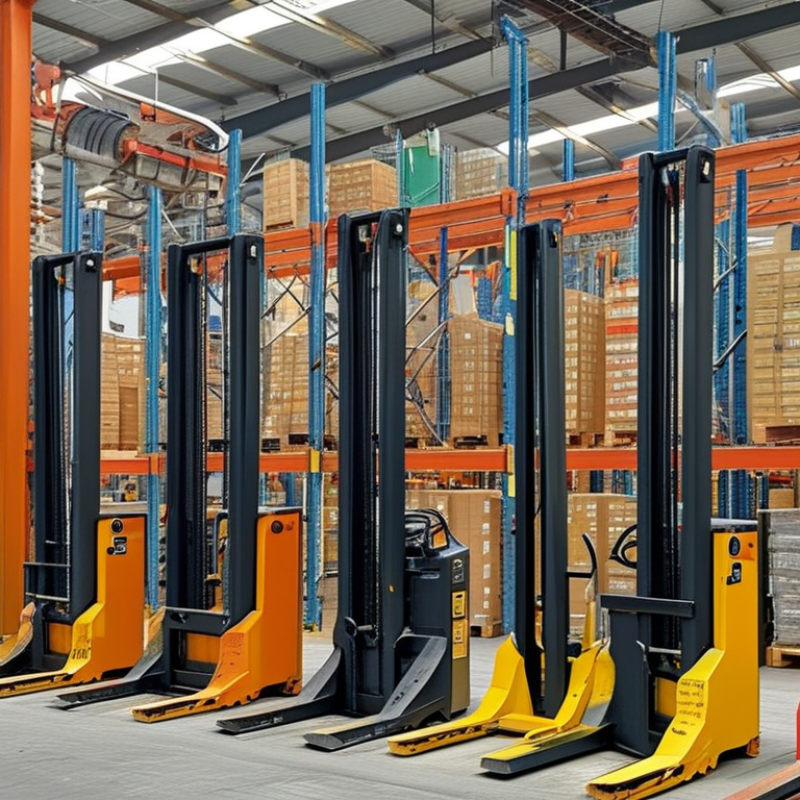
Understanding Hydraulic Cargo Lifts: Basics and Mechanisms
Hydraulic cargo lifts are vital in various industries. They simplify the movement of heavy goods between floors. Understanding their basic components is essential. A hydraulic system consists of a cylinder, piston, and a fluid. When hydraulic fluid is pumped into the cylinder, it generates force. This force lifts the cargo.
Industry reports indicate that the global hydraulic lift market is projected to reach $22.7 billion by 2027, growing at a CAGR of 5.2%. This growth highlights the significance of efficient materials handling. However, many users overlook maintenance. Regular checks can prevent costly breakdowns. Ignoring this can lead to decreased performance and safety hazards.
When selecting a hydraulic lift, consider load capacity, platform size, and safety features. The recommended load should always be respected. Overloading can cause mechanical failure. This is a critical point to consider. User feedback often points to the importance of operator training. Proper training can reduce accidents and improve efficiency. Understanding these mechanisms can lead to better choices in hydraulic cargo lifts.
Comparison of Different Hydraulic Cargo Lift Options
This chart compares different hydraulic cargo lift options based on various dimensions such as capacity, lift height, speed, energy efficiency, and cost. It helps in understanding which option may be best suited for specific needs when selecting a hydraulic cargo lift.
Key Factors to Consider When Choosing a Hydraulic Cargo Lift
Choosing the right hydraulic cargo lift is crucial for efficient material handling. Key factors include load capacity and height. Most models support capacities from 2,000 to 10,000 pounds, depending on design. Height options typically range from 3 to 16 feet. Understanding the specific needs of your operation can significantly impact productivity.
Consider the lift's speed and operation type. Some models operate at 10 feet per minute, while others may reach 30 feet per minute. In a busy warehouse, faster lifts can reduce wait times. Pay attention to the control system as well. User-friendly controls enhance safety and efficiency.
Tip: Always assess the environment where the lift will be used. For example, is there ample space for maneuvering? Unforeseen obstacles can lead to accidents, so conducting a site survey is essential. Reviewing maintenance reports and service records is also advisable. A poorly maintained lift can be as dangerous as one with insufficient capacity. Finally, expect some variability in performance under different conditions. Make informed decisions based on reliability and expert feedback. The right choice ultimately leads to better operational flow and safety.
2026 How to Choose the Best Hydraulic Cargo Lift Options?
| Feature | Description | Importance (1-5) |
| Lift Capacity | Maximum weight the lift can handle | 5 |
| Lift Height | Maximum height to which the lift can raise cargo | 4 |
| Platform Size | Dimensions of the cargo platform | 4 |
| Power Source | Type of power used (electric, hydraulic, etc.) | 3 |
| Safety Features | Included safety mechanisms (emergency stop, barriers) | 5 |
| Maintenance Requirements | Frequency and complexity of maintenance needed | 4 |
| Installation Space | Space required for installation and operation | 3 |
| Cost | Overall investment required | 5 |
Types of Hydraulic Cargo Lifts and Their Applications
Hydraulic cargo lifts come in various types, each serving different applications. The primary types include scissor lifts, vertical lifts, and tilt lifts. Scissor lifts are compact and ideal for limited spaces. They provide high lifting capabilities, making them suitable for warehouses and retail locations. Vertical lifts, on the other hand, are designed for transporting heavy loads between different floors. They are commonly used in factories and distribution centers.
Tilt lifts offer a unique solution for loading and unloading. They can tilt at various angles, making it easy to slide cargo on and off. This feature is particularly useful in shipping and logistics industries where efficiency is critical. However, each type has its limitations. For instance, scissor lifts might not be suited for extremely heavy items, while vertical lifts require adequate space. Choosing the right hydraulic lift must consider the specific needs of your operation.
When evaluating lifts, think about your load capacity, frequency of use, and available space. Not all lifts are foolproof; their maintenance and operational safety are crucial. A poorly maintained lift can lead to accidents and operational downtime. It's essential to weigh these factors carefully to make an informed decision that meets your business needs.
Safety Features to Look for in Hydraulic Cargo Lifts
When selecting a hydraulic cargo lift, safety features should be a top priority. Look for lifts equipped with overload protection. This prevents accidents by ensuring that the lift does not operate beyond its weight capacity. Regular load testing should also be considered to verify the lift's limits. A well-maintained system reduces the risk of failure.
Another critical feature is emergency stop buttons. These buttons should be easily accessible. In case of an emergency, they can halt operation immediately. Safety gates are essential as well. They protect users from falling or getting caught during operation. Make sure the lift has safety sensors that detect obstructions. This can prevent accidents when the lift is in motion.
Regular maintenance checks can strengthen safety. Document each inspection to track the lift's performance over time. However, some users may overlook this step. This could lead to unexpected failures. In a busy environment, rushing might result in neglect. Be mindful of these details as they can significantly impact safety. Consider these factors carefully before making your choice.
Maintenance Tips for Ensuring Longevity of Hydraulic Cargo Lifts
Maintaining hydraulic cargo lifts is crucial for their longevity and performance. Regular maintenance can help identify potential issues before they escalate. According to industry data, nearly 30% of lift malfunctions are due to neglect. This emphasizes the need for routine inspections and servicing.
Checking fluid levels is essential. Hydraulic oil should be regularly examined for contamination. Dirty fluid can lead to decreased lift efficiency and increased wear on components. Frequent changes and monitoring of fluid quality can extend the life of the lift dramatically. Many experts recommend changing the fluid every six months to prevent issues and ensure efficient operation.
Additionally, inspecting seals and hoses is vital. Worn or damaged seals can lead to leaks and unexpected failures. It’s not uncommon for lifts to fail due to overlooked wear on these components. As reported by the National Elevator Industry, proper maintenance practices can reduce the risk of unexpected downtime by 35%. Owners should prioritize regular checks to ensure their cargo lifts remain safe and operational.





