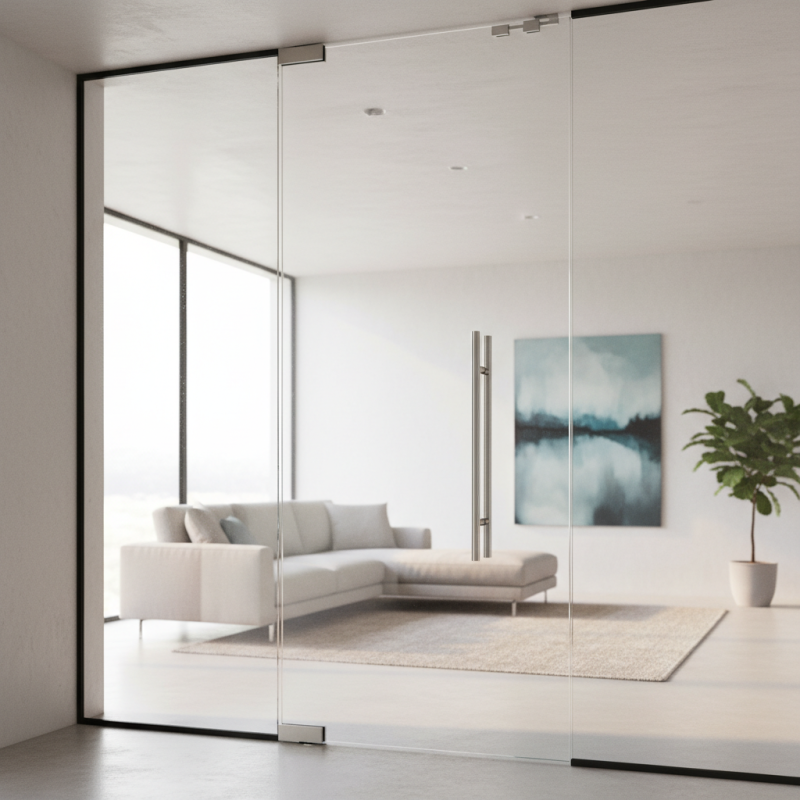
How to Choose the Best Glass Door Fittings for Your Needs?
Choosing the right Glass Door Fittings can transform your space. It's not just about aesthetics; functionality matters too. The options available today are vast, each suited for different needs and preferences.
When selecting fittings, consider the material, style, and purpose. Glass Door Fittings must complement your glass doors and the surrounding environment. Do you want sleek modern designs or classic styles? Think about the durability as well. High-quality fittings ensure safety and longevity.
Many overlook the importance of installation. Poorly fitted doors can compromise both beauty and functionality. It's essential to reflect on your choices carefully. Taking the time to choose the right fittings can prevent costly mistakes in the future.
Understanding the Different Types of Glass Door Fittings Available
When selecting glass door fittings, understanding the variety available is crucial. There are several main types of fittings, such as hinges, handles, and locks. Each serves a unique purpose and impacts the door's functionality. Hinges, for example, come in different styles. They can be concealed or exposed, depending on your design preference. This choice affects both aesthetics and durability.
Handles come in various shapes and sizes, catering to different user experiences. A minimalist design might suit modern spaces, while ornate handles could enhance traditional aesthetics. Furthermore, locks provide security. Some options offer electronic access, while others require traditional keys. Weighing the pros and cons of each fitting type is necessary.
Reflecting on your specific needs is equally important. Consider how much traffic the door will endure. Will it be in a commercial setting or a private home? Maintenance and ease of installation are also factors. An ideal fitting should balance style, safety, and practicality. Do not overlook the space where the door will be installed. Proper fit ensures seamless operation and enhances the overall design.
How to Choose the Best Glass Door Fittings for Your Needs?
| Type of Fitting | Material | Suitable Glass Thickness | Weight Capacity | Common Applications |
| Hinges | Stainless Steel | 8-12 mm | Up to 120 kg | Interior Doors, Shower Doors |
| Sliding Door Rollers | Aluminum | 10-12 mm | Up to 100 kg | Patio Doors, Bi-folds |
| Patch Fittings | Brass | 10-12 mm | Up to 150 kg | Offices, Commercial Spaces |
| Glass Clamps | Stainless Steel | 8-12 mm | Up to 80 kg | Balustrades, Partitions |
| Locking Systems | Zinc Alloy | 10-12 mm | Not Applicable | Entrance Doors, Storefronts |
Evaluating the Material and Durability of Glass Door Fittings
When selecting glass door fittings, evaluating material and durability is crucial. High-quality fittings are often made from stainless steel, brass, or aluminum. Stainless steel is known for its corrosion resistance and strength, making it a reliable choice. Reports indicate that stainless steel fittings show a 40% longer lifespan than standard materials when exposed to moisture and other environmental factors.
Brass is aesthetically pleasing and resistant to tarnish. However, it can wear down more quickly under heavy use. A study shows that brass fittings can lose up to 30% of their finish in just five years if not maintained. Aluminum fittings are lightweight and rust-resistant. Yet, they may struggle with structural integrity under high stress, which can pose a risk in high-traffic areas.
Consider the intended use of your glass doors. Heavy doors require robust fittings to ensure safety. It's important to assess potential wear and tear based on usage patterns. Regular maintenance can extend the life of any fitting. Reflect on your environment and select materials that withstand specific conditions, ensuring your choices align with long-term durability and reliability.
Assessing Aesthetic Options for Your Glass Door Fittings
When assessing aesthetic options for glass door fittings, consider both form and function. Glass doors can enhance the beauty of a space. The right fittings can create a sleek, modern aesthetic or evoke a more traditional style. Pay attention to materials and finishes. Options include stainless steel, brass, and matte black. Each choice affects the overall vibe.
Think about the proportions and scale of your fittings. Oversized handles may overwhelm smaller doors. Conversely, tiny fittings can look lost on large installations. You might want a minimalist approach, or something more ornate. Be mindful that trends change. What seems stylish today may not resonate in a few years.
Also, consider the color palette of your space. Clear glass often pairs well with metallic finishes. Textured glass can complement wooden fittings beautifully. Reflect on the atmosphere you want to create. It’s a balancing act between aesthetics and practicality. Carefully weigh your choices to reflect your unique taste and needs.
Considering Installation and Maintenance Requirements for Fittings
Choosing the right glass door fittings is crucial for both functionality and aesthetics. When considering installation and maintenance, it's essential to understand the requirements of your chosen fittings. A recent industry report indicated that up to 30% of improper installations stem from overlooking essential fitting specifications. This can result in costly repairs and safety hazards.
Maintaining glass door fittings is not just about cleaning. Regular checks are necessary to ensure that hinges, locks, and seals are functioning properly. Data suggests that over 45% of glass door issues could be resolved with routine maintenance. Keep an eye on wear and tear. Small problems can escalate quickly if ignored.
**Tip:** Consider fittings that allow for easy adjustment. This can simplify maintenance tasks significantly.
Selecting durable materials for fittings can also enhance longevity. Research shows that using high-quality hardware reduces replacement frequency by up to 25%. This choice ultimately saves money and time.
**Tip:** Document installation procedures and maintenance schedules. This practice helps maintain clarity and accountability.
Installation and Maintenance Requirements for Glass Door Fittings
This chart illustrates various factors to consider when choosing glass door fittings, rated from 1 to 10 based on their importance for installation and maintenance. Higher ratings indicate better suitability for various needs.
Budgeting and Pricing Factors for Choosing Glass Door Fittings
When selecting glass door fittings, budgeting is crucial. You need to know your price range. Quality can vary greatly. Low-cost options may seem appealing. However, they often sacrifice durability and aesthetic value. It is wise to allocate a realistic budget. Consider the long-term investment in quality materials.
Think about the installation costs as well. Hiring a professional can increase your spending. Some fittings require specific tools and expertise. If you choose to install them yourself, research is essential. Mistakes in installation can lead to additional expenses later.
Don’t overlook the hidden costs. Accessories and additional features can add to the price. For example, special finishes or hardware might catch your eye. But, they may also stretch your budget. It’s essential to weigh your options carefully. Adopting a methodical approach will lead to a more satisfying decision.