How to Choose the Best Enameled Copper Wire for Your Needs?
Choosing the right Enameled Copper Wire is vital for various applications, from electrical engineering to audio equipment manufacturing. According to a recent industry report by ResearchAndMarkets, the global enameled copper wire market is expected to grow at a CAGR of 6.5% from 2021 to 2026. This growth underscores the importance of selecting high-quality materials for efficient performance.
Expert Dr. Emily Carter, a prominent figure in the electrical materials field, emphasizes, "The choice of Enameled Copper Wire can greatly impact the efficiency and longevity of electrical devices." Her insights highlight the necessity of understanding wire specifications, including gauge, insulation type, and thermal limits. These factors can determine the success of your specific project.
Ultimately, using inferior wire can lead to overheating and equipment failures, posing risks to both safety and performance. It's crucial to reflect on these aspects before making a decision. Be informed and take your time—this choice matters more than you might realize.
Understanding Enameled Copper Wire: Types and Characteristics
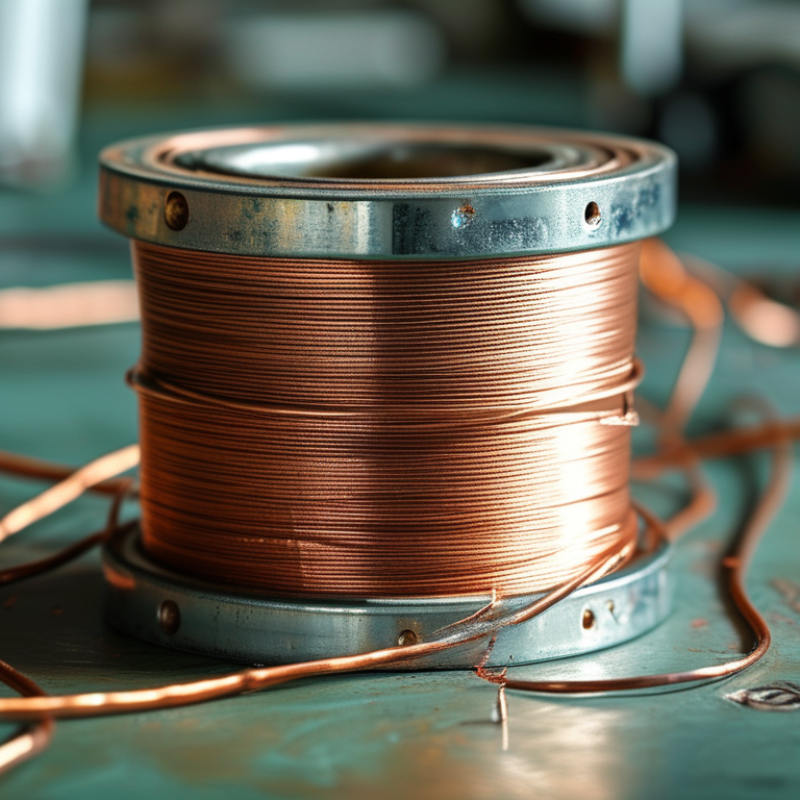
Enameled copper wire is widely used in various applications due to its excellent conductivity and insulation properties. Understanding its types and characteristics is crucial for making informed choices. There are several types of enameled copper wire, primarily classified by their coatings. Common enamel types include polyurethane, polyester, and polyimide. Each offers distinct electrical and thermal properties. For instance, polyimide can withstand higher temperatures, making it suitable for demanding environments.
The characteristics of enameled copper wire significantly influence its performance. For example, the wire's gauge determines its current-carrying capacity. According to industry reports, thinner wires may not handle high currents effectively, risking overheating. Additionally, the dielectric strength of the insulation impacts overall efficiency and safety. Research indicates that a higher dielectric strength leads to fewer failures in transformers and motors.
In practical scenarios, factors such as flexibility and adhesion of the enamel also play a role. A wire that is too rigid may not fit well in applications requiring intricate winding. As you evaluate your options, consider the specific requirements of your projects. Weighing the pros and cons of each type will help ensure long-term reliability. A thorough understanding of these characteristics can lead to better material choices.
Identifying Your Project Requirements and Specifications
When selecting enameled copper wire, it’s essential to identify your project's requirements. Different applications may require specific wire sizes, insulation types, and conductor properties. For example, in electric motors, fine wire is often needed for winding. A report from the International Electrotechnical Commission highlights that improper wire selection can lead to efficiency losses of up to 30%.
The insulation level is also crucial. It determines the wire’s temperature tolerance and durability. For high-temperature applications, a wire with a higher thermal rating is necessary. According to the National Electrical Manufacturers Association, using inadequate insulation can cause failures in up to 50% of systems. It's critical to thoroughly assess the environmental conditions, such as humidity and transmission distances.
Don't overlook your project's power requirements. Higher gauge wire may be needed for efficient current transfer. Yet, choosing a too-thin wire could lead to overheating and potential hazards. Balancing between wire diameter and current capacity is vital. Research by the American Society for Testing and Materials suggests that many projects fail due to suboptimal wire choices. Always revisit your specifications as your project evolves. Reflecting on these details can save resources and time.
Evaluating Electrical and Thermal Conductivity Needs
When selecting enameled copper wire, understanding electrical and thermal conductivity is essential. Enameled copper wire is known for its excellent electrical properties, with conductivity often exceeding 98% IACS (International Annealed Copper Standard). This high conductivity leads to lower energy losses in applications, making it ideal for motors and transformers.
Thermal conductivity plays a crucial role as well. The thermal conductivity of copper is around 400 W/m·K, which enables efficient heat dissipation. In high-load situations, wires with superior thermal properties prevent overheating. However, the insulation type can impact this. For example, polyester coatings may withstand lower temperatures, while polyurethane offers better thermal resistance.
In industry reports, it has been noted that nearly 30% of electrical failures stem from inadequate thermal management. Choosing the right wire involves assessing not just basic conductivity values but also application-specific thermal performance. Engineers often reflect on system demands, ensuring they meet both safety and efficiency standards. Balancing these properties is complex but vital for long-lasting performance.
Comparing Insulation Types and Temperature Ratings
When selecting enameled copper wire, understanding insulation types and temperature ratings is crucial. Insulation affects the wire's durability and performance. There are several insulation materials commonly used, including polyamide, polyester, and polyurethane. Each offers unique benefits and limitations. For instance, polyamide is great for high temperatures but less flexible.
Temperature ratings indicate the maximum operating temperature for the wire. Higher ratings mean better performance in extreme conditions. However, using a wire with a higher temperature rating than needed may not be necessary. This could lead to unnecessary costs. Consider your specific application needs carefully.
Tips: Always check the wire's specifications to ensure it meets your project requirements. Don't underestimate the importance of flexibility in your wiring. Sometimes, a less premium option may serve better due to its flexibility. Assess your environment; factors like humidity and exposure to chemicals can affect insulation performance over time.
Assessing Manufacturer Reputation and Quality Standards
When selecting enameled copper wire, the reputation of the manufacturer is crucial. A strong reputation often reflects quality standards and consistent performance. A recent industry report indicates that more than 65% of users prefer brands with a proven track record. They look for manufacturers that adhere to stringent ISO quality standards. These standards ensure that the product meets required specifications, enhancing reliability.
Many manufacturers publish their testing and quality assurance procedures. This transparency is vital. It allows customers to gauge the quality of the wires. Sourcing copper wire from reputable manufacturers can reduce the risk of defects. Industry data suggests that poor-quality wires can lead to a failure rate of over 15% in certain applications. Selecting from trusted companies minimizes these risks significantly.
Tips: Always check for certifications. Look for ISO or RoHS compliance to confirm quality. Compare warranties and customer reviews. Remember, the cheapest option isn't always the best. Long-term reliability can save costs. Do thorough research before making a decision. Quality always pays off in the end.





