How to Choose the Best Electric Motor Testing Solution for Your Needs?
Choosing the right electric motor testing solution is crucial for manufacturers and engineers. As per industry reports, the electric motor testing market is projected to reach $1.2 billion by 2026. This growth highlights the importance of precision and reliability in testing solutions.
Many companies now face challenges in selecting technology that meets their specific needs. Not all testing solutions provide the same level of accuracy or efficiency. Some may overlook important performance metrics, leading to inadequate testing. It's vital to assess both current and future requirements when evaluating options.
An effective electric motor testing solution can help identify issues early. This can save time and money in production. However, with numerous options available, understanding the nuances of each testing method becomes essential. Manufacturers must prioritize solutions that not only fit their current demands but also offer scalability for future developments.
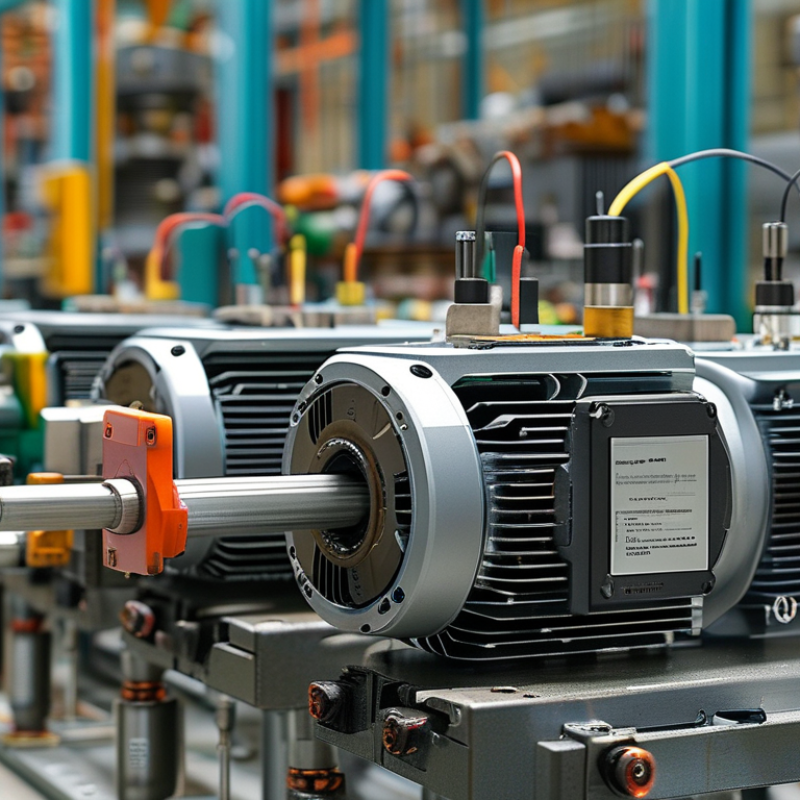
Understanding the Basics of Electric Motor Testing Solutions
Understanding electric motor testing solutions is essential for any engineer working with motors. These tests help ensure efficiency, durability, and safety. The right testing solution can vary based on the specific needs of your project. However, grasping the fundamentals can provide clarity in your selection process.
When considering electric motor testing, focus on three primary areas. First, evaluate the types of tests you need. Common tests include insulation resistance, winding resistance, and temperature rise tests. Each serves a unique purpose and provides crucial data about motor performance. You might need to delve deeper into each test's requirements. This can lead to insights you may have overlooked earlier.
**Tips:** Start with a clear list of your testing needs. Research various testing methodologies that align with these needs. Collaborate with experts in the field to gather insights.
Another important factor is ease of use. Testing equipment should be user-friendly. Complicated devices can lead to errors in data interpretation. If technicians struggle to use theEquipment, it can compromise testing integrity.
**Tips:** Invest time in training your team. Ensure they are confident in using the tools. Regularly review testing processes to identify any areas for improvement. Embrace the learning curve; it reflects commitment to quality testing.
Electric Motor Testing Solutions Comparison
Identifying Your Specific Testing Requirements
When selecting an electric motor testing solution, identifying your specific testing requirements is crucial. Every application involves different parameters. For instance, some motors need to be tested for efficiency, while others require analysis of torque and speed. Define what metrics matter most for your operations. This clarity will guide you in choosing the right equipment.
Consider the scale of testing as well. Are you testing small motors or industrial ones? The required power range will affect your equipment choice. Pay attention to technological capabilities, like data logging and analysis software. These features can significantly enhance your testing process. However, make sure the interface is user-friendly. An overly complex system can lead to errors.
Lastly, think about the frequency of testing. Is it a one-time analysis or a regular process? The answer will impact your investment decision. Higher frequency testing might justify advanced equipment. Reflect on your current capabilities. Are they sufficient to meet future demands? Investing in a solution that grows with your needs can prove invaluable.
How to Choose the Best Electric Motor Testing Solution for Your Needs? - Identifying Your Specific Testing Requirements
| Testing Requirement | Description | Importance Level | Recommended Testing Solution |
| Voltage Testing | Measures the voltage output of the motor under load conditions. | High | Multimeter or Oscilloscope |
| Current Testing | Monitors the current consumption to assess efficiency. | High | Clamp Meter |
| Insulation Resistance Testing | Checks the insulation quality of the motor windings. | Medium | Insulation Resistance Tester |
| Vibration Analysis | Evaluates the vibrational patterns to identify misalignments or wear. | Medium | Vibration Analyzer |
| Thermal Imaging | Detects hotspots that indicate potential failures. | Medium | Thermal Camera |
| Torque Testing | Assesses the output torque at different RPMs. | Low | Torque Sensor |
Comparing Different Types of Electric Motor Testers
When selecting an electric motor tester, consider your specific needs and application. There are different types of testers, each with unique features. For example, some testers focus on performance metrics, while others specialize in safety. A report by the Electric Motor Association indicates that accurate testing can enhance motor efficiency by up to 15%. This statistic underscores the importance of choosing the right testing equipment.
One type of tester is the portable digital multimeter. This device is ideal for quick diagnostics in various environments. It can measure voltage, current, and resistance. However, while convenient, it may not provide comprehensive insights into performance over time. In contrast, a more advanced motor analyzer offers in-depth analysis of motor parameters. While it is costlier, the investment can pay off through improved maintenance strategies. A recent industry study found that companies using advanced analyzers reduced downtime by 20%.
Moreover, the ecosystems of electric motors are evolving. New technologies are emerging, such as IoT-enabled testers. These devices can track motors in real-time, providing data that aids in predictive maintenance. However, transitioning to such technologies requires training and adaptation. Not all practitioners are prepared for this shift, which may lead to underutilization of valuable tools. Therefore, consider your team's readiness when choosing a solution.
Evaluating Key Features and Specifications of Test Equipment
When evaluating electric motor testing solutions, several key features must be considered. The accuracy of measurements is critical. A report from the International Electrotechnical Commission highlights that a 1% error in testing can lead to severe performance issues in applications. Depending on your industry, even small discrepancies can lead to significant financial losses.
Next, consider the versatility of the testing equipment. Many solutions offer a variety of tests, such as insulation resistance and temperature analysis. A study by the Institute of Electrical and Electronics Engineers found that 75% of electrical failures in motors stem from insulation failures. Therefore, having multiple testing capabilities can provide a comprehensive view of motor health.
Additionally, ease of use and data reporting are essential. Operators should not struggle with complex software to conduct tests. An intuitive interface can significantly speed up testing time. A market survey indicated that 60% of technicians prefer user-friendly designs. However, it's essential to recognize that not all high-tech solutions are perfect in their design. Some might need more user testing and feedback to optimize their functionality.
Assessing Budget and Cost-effectiveness of Testing Solutions
Choosing the right electric motor testing solution involves careful consideration of budget and cost-effectiveness. An effective testing solution should align with your operational needs while being financially feasible. Start by identifying essential testing features. Some solutions may offer advanced functionalities, but they often come at a higher price. Determine what you truly need and what features can be omitted.
Consider the total cost of ownership, not just the initial investment. Maintenance and potential upgrades can significantly impact long-term expenses. It’s tempting to opt for the cheapest option available. However, lower costs might lead to frequent breakdowns, resulting in more significant losses. Evaluate whether the solution you are considering delivers value over time. Reflect on experiences from peers or industry professionals to gain insights into their choices.
It’s also crucial to assess the reliability of the vendors. A low-priced solution from an unreliable source may create more problems down the line. Investigating the vendor’s reputation can help avoid costly mistakes. Transparency in pricing is essential; hidden costs can derail your budget. Aim for a solution that balances quality and cost. Ultimately, thorough evaluation can guide you toward a smart investment in your motor testing needs.





