How to Choose the Best Electric MCCB for Your Needs?
Choosing the right Electric MCCB (Molded Case Circuit Breaker) is crucial for your electrical system’s safety and efficiency. An effective MCCB protects equipment from overloads and short circuits. With various options available, making the right choice can feel overwhelming.
Understanding your specific needs is vital. Each Electric MCCB comes with differing ratings, functions, and features. You must evaluate your electrical load, application, and installation environment. Reliability is key when selecting a breaker that will ensure consistent protection for your equipment.
Additionally, consider consulting with professionals or accessing authoritative resources for guidance. They can share valuable insights honed from years of experience. While product specifications are essential, real-world experiences and case studies can reveal potential pitfalls and considerations not immediately obvious on paper. Engaging with industry professionals can enhance your understanding and help you make an informed decision.
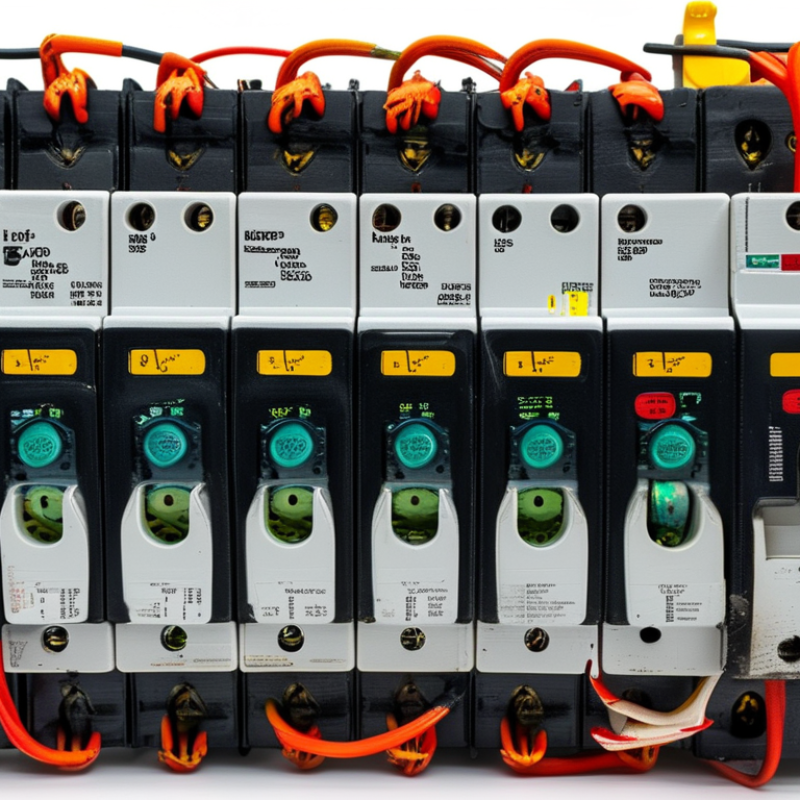
Understanding the Functionality of Electric MCCBs
Understanding the functionality of Electric Molded Case Circuit Breakers (MCCBs) is crucial for effective electrical management. MCCBs provide protection against overloads and short circuits while minimizing electrical fire risks. A report from the International Electrotechnical Commission (IEC) indicates that 30% of electrical accidents relate to improper circuit protection. Hence, choosing the right MCCB can significantly enhance safety.
MCCBs work by automatically disconnecting the circuit when excess current is detected. They feature adjustable settings for current ratings, allowing customization to specific applications. According to a study by the National Fire Protection Association, proper utilization of MCCBs can reduce damage from electrical failures by up to 40%. However, not all MCCBs meet the same standards. Some may have insufficient thermal or magnetic trip characteristics, leading to inadequate protection.
Choosing the best MCCB involves evaluating both technical specifications and application requirements. Consider aspects such as the load type, environmental conditions, and potential fault scenarios. A lack of thorough understanding here can lead to project delays or costly failures. Balancing advanced features like selectivity and coordination can be overwhelming yet essential in achieving reliability. Assessing installation conditions may further highlight the limits of certain MCCBs, revealing the need for thoughtful selection.
Identifying Your Electrical Requirements and Specifications
When choosing an electric MCCB, understanding your electrical requirements is crucial. Start by assessing the load characteristics of your system. Calculate your maximum current needs. Consider peak loads versus continuous loads. It's essential to understand how different loads affect your electricity consumption. Will you have motors, lighting, or other devices? Each has different demands.
Next, evaluate the environment. Will the MCCB be located indoors or outdoors? Environmental factors can impact performance. For instance, humidity and temperature fluctuations can affect reliability. An outdoor MCCB must resist corrosion. Indoor MCCBs may require different housing to handle dust and debris.
Take time to review the specifications. Make note of the voltage ratings and interrupting capacity. Ensure they match your system requirements. Many users overlook these aspects. This can lead to safety hazards and equipment failures. Balancing your specifications against future expansion can also save costs. Ultimately, understanding your unique needs ensures you choose the right MCCB for lasting performance.
Evaluating Key Features of Electric MCCBs
When choosing the best electric MCCB, understanding key features is critical. First, you should assess the current rating. Reports indicate that most MCCBs have ratings between 16A and 6300A. Selecting a breaker with the correct rating ensures adequate protection against overloads and short circuits. Manufacturers recommend considering the specific load requirements of your application.
Next, think about breaking capacity. This determines how much fault current a MCCB can handle before tripping. A study by the International Electrotechnical Commission (IEC) highlights that breaking capacities range from 6kA to over 100kA. It’s vital to match this with your system's potential fault levels. Underestimating this factor could lead to equipment failure and dangerous situations.
Thermal-magnetic versus electronic tripping mechanisms also plays a role in your decision. Thermal-magnetic types are simpler and more cost-effective. However, electronic trip units offer better precision and settings customization. Some users overlook these differences, leading to misapplications. Ultimately, taking time to evaluate these features enhances the safety and efficiency of your electrical installation.
Comparing Different Brands and Models of MCCBs
Choosing the right electric MCCB is crucial for ensuring safety and reliability in electrical systems. Different brands and models offer varying features and specifications. Understanding these differences can lead to better decisions. Some MCCBs come with advanced technology, such as smart monitoring and quick trip settings. These can enhance performance but may increase complexity.
Assessing the power rating is essential. Not all MCCBs can handle the same load. Some models are better suited for industrial applications, while others work well in commercial settings. Consider the installation environment as well. A compact MCCB might be ideal for limited space, yet it may lack certain features. Reliability is key, and choosing a well-reputed brand often correlates with quality. However, not all reputable brands excel in every aspect. It’s essential to read reviews and feedback from actual users.
Price is another factor that can’t be overlooked. A lower price can be tempting, but it often sacrifices quality. Striking a balance between cost and features is vital. Be cautious of offers that seem too good to be true; they often are. Gathering insights from industry experts can provide clarity. Ultimately, you'll want to prioritize safety, efficiency, and suitability for your specific needs. Balancing these aspects might require some reflection and research.
Ensuring Compliance with Safety Standards and Regulations
When selecting an electric MCCB, compliance with safety standards and regulations is crucial. Organizations must adhere to standards like IEC 60947-2 and UL 489. These frameworks ensure that circuit breakers perform reliably and protect against electrical hazards. According to a 2022 report by the International Electrotechnical Commission, poor compliance could lead to increased incidents of electrical fires, estimated to cause billions in damages annually.
Understanding your specific requirements is vital. It's not just about choosing a model that fits. Sometimes, companies overlook local regulations, which can vary significantly. For instance, the National Fire Protection Association (NFPA) provides guidelines that differ from those set by the ISO. Ignoring these can result in costly retrofits down the line. Clarity in specifications prevents legal issues that arise from non-compliance.
Risk assessments further highlight the importance of selecting MCCBs wisely. A recent industry survey noted that 30% of organizations reported facing penalties due to safety violations. Up-to-date certifications and testing reports are essential. Without these documents, organizations may operate under assumptions that end up jeopardizing safety. Ensuring that your MCCB meets industry standards is not just a best practice; it's a necessity for safeguarding both people and property.
How to Choose the Best Electric MCCB for Your Needs?
| Parameter | Description | Value |
| Rated Current | The maximum current that the MCCB can carry | 100 A |
| Breaking Capacity | The maximum short circuit current that the MCCB can interrupt | 25 kA |
| Voltage Rating | The maximum voltage at which the MCCB can operate safely | 400 V |
| Number of Poles | The number of circuits that the MCCB can control | 3 Poles |
| Protection Type | The types of protection features included (overload, short circuit) | Thermal & Magnetic |
| Standards Compliance | Regulatory standards that the MCCB meets | IEC 60947-2 |
| Operating Temperature Range | The ambient temperature range for safe operation | -10°C to 60°C |





