How to Choose the Best Dual Pole Isolator Switch for Your Needs?
Choosing the right Dual Pole Isolator Switch can greatly impact safety and efficiency in electrical applications. According to expert James Peterson, a seasoned electrical engineer, "A well-chosen isolator switch acts as the first line of defense against electrical failures." His words highlight the importance of making informed decisions in this area.
When selecting a Dual Pole Isolator Switch, consider various factors. The switch's rating, design, and compatibility with your system are crucial. Different environments require specific features. For example, a switch used outdoors must be weatherproof and durable. Many overlook the impact of these details.
Factors like installation ease and maintenance are often underestimated. Users should be aware that not all switches are user-friendly. Some require professional installation, which can increase costs. Taking time to research your options can save money and ensure safety in the long run.
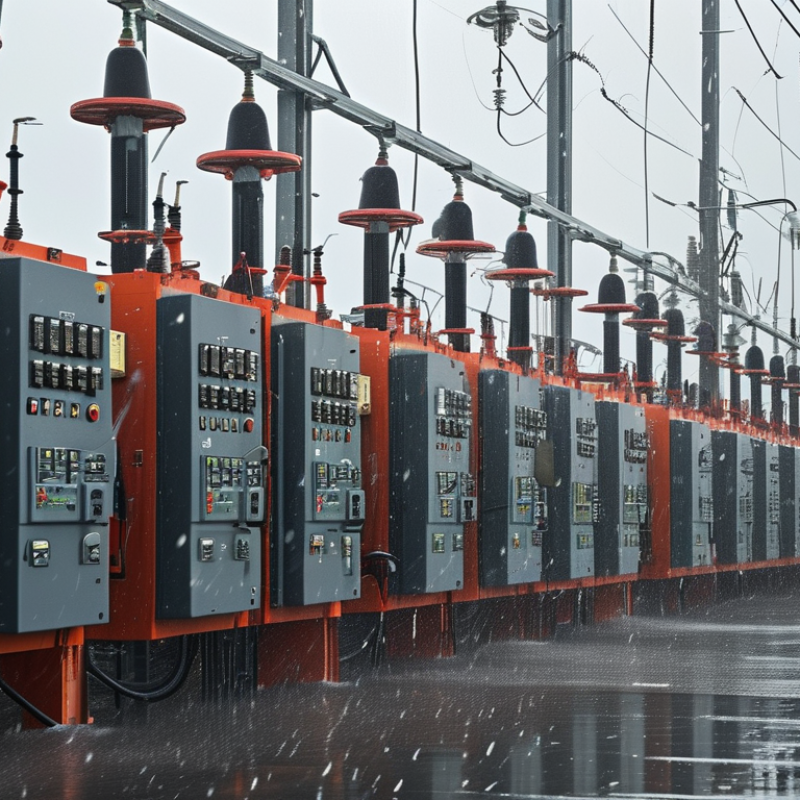
Understanding Dual Pole Isolator Switches: Key Concepts and Definitions
Dual pole isolator switches are essential for electrical safety. They disconnect both the live and neutral wires, providing effective isolation for electrical circuits. Understanding their design and functionality is critical for users. These switches typically include a mechanism that allows for manual operation, ensuring complete disconnection when needed.
In practical applications, choosing the right dual pole isolator switch can prevent accidents. The switch's ratings, such as current and voltage, should match your electrical load. It's also important to consider the installation environment. Outdoor units need to be weather-resistant, while indoor options might focus more on aesthetics. Take time to assess these features.
Many users overlook the significance of proper installation. Even the best switch can fail if not installed correctly. Seek guidance from experienced electricians when in doubt. Keep in mind that safety should always come first. Investing in a quality isolator switch helps ensure reliable performance and peace of mind.
How to Choose the Best Dual Pole Isolator Switch for Your Needs?
| Feature | Description | Importance |
| Current Rating | The maximum current the switch can handle safely. | Essential for matching the power requirements of your setup. |
| Voltage Rating | The voltage levels the switch is designed to operate at. | Crucial for ensuring compatibility with electrical systems. |
| IP Rating | Ingress Protection rating indicating dust and water resistance. | Important for outdoor or harsh environments. |
| Mounting Style | How the switch is installed, e.g., surface mount or panel mount. | Affects installation ease and space requirements. |
| Switch Type | The operational mechanism, like toggle or push button. | Influences user interaction and reliability of operation. |
| Material | The construction material used, such as plastic or metal. | Affects durability and aesthetic appeal. |
| Certifications | Compliance with safety and performance standards. | Ensures safety and reliability of the switch. |
Factors Influencing the Selection of Dual Pole Isolator Switches
When selecting a dual pole isolator switch, several critical factors should be considered. Safety ratings are paramount. Look for switches that meet industry standards such as IEC 60947-3. This ensures they can handle specific voltage and current loads securely. According to the International Electrotechnical Commission, proper specifications reduce electrical hazards significantly in residential and industrial settings.
Another important aspect is the operational environment. High humidity, dust, or extreme temperatures can affect performance. For instance, a report from the Electrical Safety Foundation International states that moisture can lead to corrosion or electrical short circuits. Hence, choosing a switch suited for outdoor or harsh conditions is vital. Factors like ingress protection ratings (IP ratings) help in assessing their resilience.
In addition, consider the installation process. Some switches have complex mounting requirements that may lead to installation errors. A 2021 survey revealed that a staggering 30% of electrical issues stemmed from improper installation. Thus, ease of installation can save time and reduce costly mistakes. Assessing these factors ensures the selected isolator switch remains reliable and functions optimally throughout its lifespan.
Electrical Ratings and Standards: Choosing the Right Specifications
When choosing a dual pole isolator switch, electrical ratings are crucial. Understanding voltage and current ratings can guide your selection. A switch must match the load it controls. Overrated switches waste energy, while underrated ones pose safety risks. The International Electrotechnical Commission (IEC) sets important standards. Their guidelines help ensure reliability and safety.
One critical specification is the isolation voltage. Common ratings include 230V and 400V. Your application determines which voltage is necessary. For instance, residential systems often require lower voltage ratings. Industrial settings may need higher ratings. For optimal performance, check the short-circuit rating too. This indicates how much fault current the switch can handle.
Tip: Always verify manufacturer ratings against applicable standards. This ensures compatibility and safety. Review testing reports for additional assurance. Many users overlook this step, risking system failure.
Another consideration is the operational environment. Is the switch rated for outdoor or humid conditions? Environmental factors impact durability and performance. Installations in harsh environments require robust switches. Ensure your choice is reliable, consistent, and meets operational needs.
Applications and Use Cases for Dual Pole Isolator Switches in Industry
Dual pole isolator switches serve vital roles in various industries. They provide safety during maintenance and support efficient machinery operation. These switches can be found in power generation, manufacturing, and commercial buildings. According to a market report by Research and Markets, the global isolator switch market is projected to grow at a CAGR of 5.1% through 2025. This growth indicates increased reliance on dependable electrical systems.
In manufacturing, dual pole isolator switches are integral for equipment safety. They ensure that machines are entirely de-energized during repair work. A report from the International Electrotechnical Commission highlights that improper isolation can lead to a 30% increase in workplace accidents. Regular maintenance and proper installation of these switches reduce risks significantly.
Furthermore, in power distribution, these switches prevent overloads and short circuits. They act as a barrier between the power source and the circuitry when needed. A recent study shows that about 20% of industrial electrical failures arise from poor isolation practices. This statistic emphasizes the necessity of choosing the right dual pole isolator switch tailored to specific applications. Investing in quality switches is not just a regulatory requirement; it's essential for overall operational efficiency.
Applications of Dual Pole Isolator Switches in Industry
Maintenance and Safety Tips for Dual Pole Isolator Switches
Maintaining a dual pole isolator switch is crucial for safety and efficiency. Regular inspection is essential. Check for signs of wear, corrosion, or damage. According to the National Fire Protection Association (NFPA), electrical failures contribute to 10% of home structure fires. Thus, ensuring your isolator switch functions properly is paramount.
Cleaning is another key aspect. Dust and debris can accumulate, affecting performance. Use a damp cloth to wipe down the switch. Avoid using harsh chemicals, as they can damage components. The Institute of Electrical and Electronics Engineers (IEEE) recommends a maintenance schedule that includes testing functionality every six months. Regular testing helps identify potential issues early on.
Lastly, educate all users about the isolator switch. Clear instructions on its usage can prevent accidental mishaps. Understanding how to safely operate the switch fosters a responsible working environment. According to industry reports, human error accounts for 30% of electrical incidents. Empowering individuals with knowledge can significantly enhance safety protocols.





