How to Choose the Best Diamond Cutting Machine for Your Needs?
In the intricate world of gemology, selecting the right Diamond Cutting Machine can significantly impact a jeweler's craft. According to market research, the global market for diamond cutting tools is expected to reach $3.7 billion by 2027, driven by technological advancements and increased demand for precision in diamond production. Choosing an appropriate machine not only enhances the quality of the gemstones but also improves operational efficiency.
Different cutting machines cater to various needs, from small-scale artisans to large manufacturers. Each machine has specific features that determine its suitability for different diamond types and cutting styles. Not all machines deliver the same results; some may yield inconsistent cuts or be challenging to operate. This variability underscores the importance of understanding your unique requirements when investing in a diamond cutting machine.
In an industry where precision is paramount, the right machinery can make a notable difference. A well-chosen diamond cutting machine minimizes wastage and maximizes yield, ensuring a profitable venture. Yet, many choose based on price rather than capabilities, which can lead to disappointing results. It's vital to reflect on both immediate needs and long-term goals when making this important decision.
Understanding Different Types of Diamond Cutting Machines
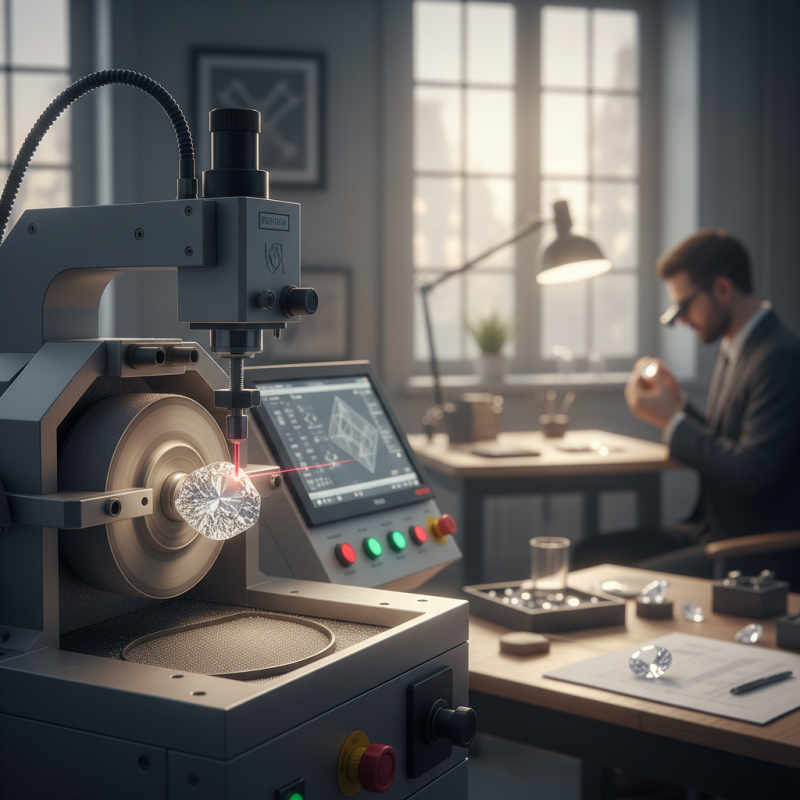
When choosing a diamond cutting machine, it's crucial to understand the different types available. Generally, machines fall into two categories: manual and automatic. Manual machines provide more control, but require skill and practice. Automatic machines, on the other hand, are easier to use and often come with advanced features.
Consider the material you'll be cutting. Each type of machine has specific capabilities. For instance, some machines handle softer materials better, while others are designed for tough diamonds. This distinction is essential. Failure to choose wisely may lead to inefficient cutting or even equipment damage.
Tips: Always assess the machine's power specifications. A powerful motor can handle tougher jobs. Additionally, check for user reviews. They often highlight real-world experiences.
Understanding usability matters too. Some machines require more learning. Therefore, be prepared to invest time in training. A steep learning curve can discourage new users. Reflect on your own skills and comfort level. It's essential to match the machine to your needs for the best results.
Key Features to Evaluate in a Diamond Cutting Machine
When selecting a diamond cutting machine, key features play a crucial role. Power is essential. Machines typically operate between 1.5 HP to 10 HP. Higher horsepower allows for smoother cuts but increases cost. Those new to diamond cutting should prioritize a machine with a balance between power and ease of use.
Accuracy and precision are paramount. Look for machines with a cutting error margin of less than 0.1 mm. Advanced technology in machines can affect these metrics significantly. Different machines offer varying software integration capabilities. Software that aids in design and precision cuts can be that extra advantage.
Tips: Always review user feedback. Read about specific experiences from professionals. Check reliability over time; long-term investment often outweighs initial costs.
Lastly, consider the machine’s weight and portability. A heavier machine may indicate quality but can limit mobility. Try to reflect on where you will mainly use this machine. A portable option may have trade-offs in power and size. Balancing all these features can lead to better decision-making.
Assessing Your Specific Cutting Needs and Applications
When selecting a diamond cutting machine, it’s essential to understand your specific cutting needs. Different applications require different features. For instance, do you need precision for small gemstones or efficiency for larger diamonds? Understanding the scale of your projects helps refine your choices.
Consider the materials you plan to work with. Each stone type has unique properties that influence cutting methods. A machine that excels with one type may falter with another. It’s crucial to evaluate how these machines handle various hardness levels. Often, users overlook manufacturer specifications, leading to disappointment later on. Ask yourself: how will the machine perform?
Think about the learning curve as well. Advanced machines might offer exceptional results but they can be complex. New users frequently find themselves overwhelmed. Striking a balance between capability and usability is key. Identifying your cutting style and experience level will guide you in this critical decision.
How to Choose the Best Diamond Cutting Machine for Your Needs?
| Feature | Description | Application |
| Cutting Speed | The rate at which the machine cuts through materials. | Ideal for high-volume production. |
| Precision | Measure of the accuracy of the cuts made by the machine. | Critical for intricate designs. |
| Blade Quality | The material and durability of the cutting blade. | Affects longevity and performance of the machine. |
| Maintenance Requirements | How often the machine needs servicing. | Important for operational efficiency. |
| Portability | Ease of transporting the machine. | Useful for on-location cutting jobs. |
| Cost | Initial purchase price as well as operational costs. | Consider total cost of ownership. |
Budget Considerations for Purchasing a Diamond Cutting Machine
When considering the purchase of a diamond cutting machine, budget is a crucial element. The cost of these machines can vary widely. Basic models may start around $5,000, while advanced options can exceed $50,000. According to industry reports, companies should allocate 10-15% of their initial investment toward cutting machinery. This percentage can help ensure you get the necessary features without overspending.
Additional factors influence budget decisions. Operational costs for maintenance and consumables should factor in. A study by the Diamond Manufacturers Association highlights that a cutting machine's efficiency can directly affect labor costs. Machines that cut faster may seem expensive initially. However, they can lead to savings in the long run due to reduced processing time. It's essential to weigh initial costs against potential savings from increased productivity.
Remember, not every machine will meet every need. Assessing specific tasks is vital. The wrong choice could lead to underperformance or excessive maintenance costs. Reflecting on these elements can guide a more informed decision, ensuring alignment between budget and functionality. Finding a balance is not always straightforward, but diligence pays off in the long term.
Comparison of Diamond Cutting Machines by Key Features
Choosing Between Manual and Automated Diamond Cutting Options
When considering diamond cutting machines, the choice between manual and automated options can significantly impact production. Manual machines offer precision and craftsmanship that experienced operators excel at delivering. According to a 2022 industry report, nearly 45% of gemstone artisans prefer manual methods for small batches, emphasizing the skill and control involved. However, this approach may not be sustainable for larger operations.
Automated diamond cutting machines provide efficiency and consistency. These machines can reduce labor costs by up to 30%. They also allow for higher output, producing more diamonds in shorter times. Yet, some operators question the quality of cuts made by machines. A study by Gemological Institute indicated that automated systems might miss subtle details that a skilled artisan could catch.
Investments in technology should consider the balance of quality and efficiency. Automation can streamline operations, but manual cutting maintains an artisanal edge. Each option has its strengths and weaknesses, requiring careful consideration of production goals. The right choice hinges on understanding the unique needs of your business, whether you prioritize craftsmanship or efficiency.





