How to Choose the Best Cyclone Dust Collector for Your Needs?
Choosing the right Cyclone Dust Collector can significantly impact your workshop's air quality and operational efficiency. As industry expert Dr. Lisa Thompson famously stated, “A well-chosen Cyclone Dust Collector not only enhances productivity but also promotes a healthier work environment." Her insights underline the importance of making an informed decision when selecting this vital equipment.
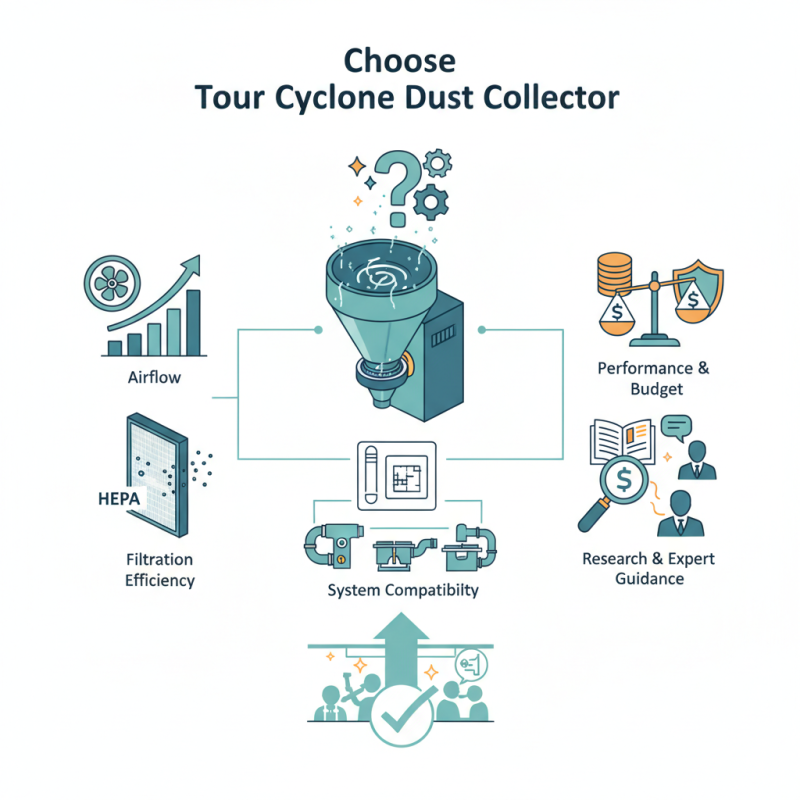
In the world of woodworking and manufacturing, dust collection is crucial. Cyclone dust collectors excel at capturing fine particles that traditional filters might miss. The right model can make a stark difference; however, many users struggle with various options. It's essential to consider factors like airflow, filtration efficiency, and overall system compatibility.
Selecting an appropriate Cyclone Dust Collector requires reflection on specific needs. It's not merely an investment in equipment; it's an investment in safety and quality. Balancing performance and budget can be tricky. Ultimately, thorough research and expert guidance can lead to a decision that enhances both productivity and health in the workspace.
Understanding Cyclone Dust Collectors: Key Features and Benefits
Cyclone dust collectors are crucial in various industries. Understanding their key features helps you select the right one. These systems efficiently separate dust from the air using centrifugal forces. They are effective in handling larger particles, making them ideal for woodworking shops or metalworking operations.
Tips: When choosing a cyclone dust collector, consider the airflow capacity. It should match your workspace needs. Pay attention to the filtration efficiency. A good collector efficiently traps fine dust particles, ensuring a cleaner environment.
Cyclone dust collectors also offer adjustable features. Some allow for customization based on specific operations. However, be mindful of the maintenance requirements. Regular cleaning is necessary to maintain efficiency.
These collectors have the advantage of being energy efficient. However, installation can be complex. It might require professional help to avoid mistakes. Balancing efficiency and ease of use is essential in making your choice.
Assessing Your Specific Dust Collection Needs and Workspace Requirements
Assessing your specific dust collection needs is crucial. Start by examining the type of dust your workspace generates. Different materials produce different types of dust. For instance, woodworking creates fine particles that require efficient capture. On the other hand, metalworking might produce heavier debris. Understanding this helps in choosing a suitable cyclone dust collector.
Next, evaluate your workspace size and layout. A larger area may need a more powerful system to ensure effective dust removal. Consider where the dust collector will be placed. Ensure there is enough space for maintenance and potential expansion. Keep in mind that noise levels can also affect your work environment. Identify if a quieter model is necessary for your operations, especially in shared spaces.
Finally, think about your budget. Quality systems offer reliable performance, but they can vary greatly in price. It’s easy to overlook long-term costs associated with buying a cheaper unit. This could lead to frequent repairs or replacements. Finding a balance between price and efficiency is essential. Reflect on your specific requirements to make a well-informed choice.
Evaluating Different Types of Cyclone Dust Collectors Available
When evaluating different types of cyclone dust collectors, it's crucial to understand their features. There are two primary types: vertical and horizontal models. Vertical collectors are typically more compact and require less floor space. They work efficiently for smaller workshops or tight areas. On the other hand, horizontal models are excellent for larger operations. They often offer better airflow and dust capacity.
Consider your specific needs. What type of material will you be collecting? Some collectors perform better with fine dust, while others handle larger particles efficiently. System capacity is another factor. A collector with a larger capacity may reduce the need for frequent maintenance. Assess whether you need a single-stage or a multi-stage collector to suit your work environment.
A critical aspect of choosing a cyclone dust collector is understanding the airflow requirements. The efficiency of the collector depends on proper airflow rates. Also, installation space should be measured accurately. Don't overlook the filter maintenance if you're in a high-dust area. Reflect on your operational conditions and think about potential future needs. Each choice comes with trade-offs; ensuring the right fit is essential for optimal performance.
How to Choose the Best Cyclone Dust Collector for Your Needs?
| Type | Airflow (CFM) | Dust Capacity (Gallons) | Motor Power (HP) | Efficiency (%) |
| Single Stage | 1000 | 20 | 2 | 85 |
| Two Stage | 1200 | 30 | 3 | 90 |
| High Efficiency | 1500 | 40 | 5 | 95 |
| Portable | 500 | 10 | 1.5 | 80 |
| Stationary | 2000 | 50 | 7.5 | 92 |
Maintenance Considerations for Efficient Cyclone Dust Collector Operation
Cyclone dust collectors are essential for maintaining a clean working environment. However, their efficiency largely depends on regular maintenance. Keeping the collector clean is vital. Dust buildup can hinder performance, leading to inefficiencies. Regularly inspect and clean the cyclone to ensure optimal airflow.
Check the filter system consistently. Over time, filters can become clogged and reduce suction power. Replace or clean filters when you notice diminished performance. Additionally, inspect for leaks in the ductwork. Even small leaks can significantly impact the system's efficiency. It’s worth dedicating time to troubleshoot these issues before they escalate.
Monitor the overall machine condition. If you notice unusual noises or vibrations, investigate promptly. These indicators can suggest misalignments or wear. Regular checks can extend the life of your collector. Maintenance may seem tedious, but neglecting it can lead to costly repairs later on. A proactive approach ensures that your cyclone dust collector operates at peak efficiency.
Comparing Cost and Efficiency: Selecting the Right Model for You
When selecting the right cyclone dust collector, it’s essential to examine both cost and efficiency. Many collectors vary widely in price, influenced by their size, features, and efficiency ratings. A lower upfront cost might seem appealing, but consider the long-term operational costs, including energy consumption and maintenance. Some models may save money initially but could lead to higher expenses down the line.
Efficiency is another critical factor. A high-efficiency model removes more dust, improving air quality in your workspace. However, these models often come at a higher cost. You might need to weigh efficiency against your budget. Consider your specific needs. What is your dust load? How often will you use the collector? Finding the balance between cost and efficiency may require some reflection.
While it’s easy to get lost in the specs, actual performance data from users can guide your choice. Reviews and testimonials highlight real-world issues that specs might not cover. Ask yourself: does the information align with your needs? Choosing the best cyclone dust collector involves more than just price tags and efficiency ratings. Dive deep into user experiences; it’s worth the effort.





