How to Choose the Best Compact Laser Cutter?
Choosing the right Compact Laser Cutter is less about chasing the highest wattage. It is about matching the machine to your materials, workspace, and production habits. A desktop unit may look convenient beside your workbench. However, its cutting bed, ventilation needs, software, and maintenance schedule can shape every project.
Laser-cutting educator Russ Sadler offers a practical reminder: “The machine must fit the material, not the other way around.” That principle deserves attention. A 10-watt diode cutter may handle thin plywood, leather, and cardboard with patience. A CO2 model may cut acrylic faster and more cleanly. Fiber systems suit metal marking, not general craft cutting. The wrong choice becomes expensive quickly.
Look closely at the details. Measure your available table space. Check the working area against your largest planned design. Ask whether the exhaust system can move smoke safely outdoors or through approved filtration. Review software compatibility, replacement lens costs, air-assist options, and warranty support. These details often matter more than a glossy speed claim.
Test samples before buying, if possible. Examine edge burn, engraving depth, noise, and alignment accuracy. Record the settings. Small differences become visible on a row of twenty pieces. I have seen buyers focus on cutting power, then struggle with weak software or poor ventilation. That is an easy mistake. Sometimes, a slower machine with better support is the wiser tool. This guide explores those trade-offs, while admitting one uncomfortable truth: no Compact Laser Cutter is perfect for every material or maker.
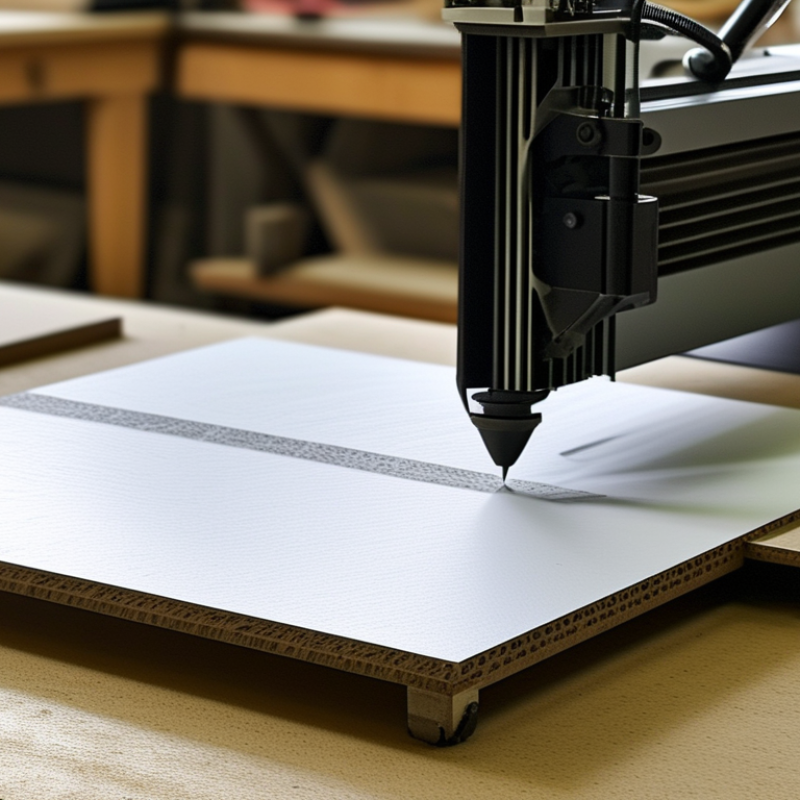
Define Your Cutting Needs and Material Requirements
Choosing the best compact laser cutter starts with a precise definition of your work. List the materials, maximum thickness, sheet size, and weekly cutting hours. A machine for thin plywood needs different power from one cutting stainless steel. Measure real samples, not ideal specifications.
Industry data supports careful sizing. Grand View Research estimated the global laser cutting machine market above 6 billion U.S. dollars in 2023, with continued growth expected through 2030.
That expansion reflects wider use in prototyping, signage, education, and small manufacturing. However, market growth does not mean every compact machine suits every task. A 40-watt system may handle paper, acrylic, and thin wood, while thicker materials require slower speeds, multiple passes, or higher power. Test cuts matter.
Material behavior can surprise you. Acrylic may produce polished edges, while plywood can show darkened layers and resin marks. Metals also demand compatible laser sources and carefully controlled settings.
Never assume a thicker rating guarantees clean results. I still overbuy power sometimes. That choice raises cost and can reduce control on delicate work.
Check ventilation, filtration, enclosure design, and emergency controls against recognized safety guidance, including ISO 11553-1. Keep a sample log with speed, power, focus height, and edge quality. Small records prevent expensive guesses.
Compare Laser Types, Power Levels, and Cutting Performance
How to Choose the Best Compact Laser Cutter?
Compare Laser Types, Power Levels, and Cutting Performance
Choosing a compact laser cutter starts with the material, not the machine’s appearance. In my workshop, diode lasers worked well for wood, cardboard, leather, and dark acrylic. They usually need less space and consume less power. However, transparent acrylic can be difficult because the beam passes through it. Results may disappoint.
CO2 lasers generally cut wood and acrylic faster and more cleanly. A 40–60 watt unit can handle many small workshop projects, including thicker plywood and clear acrylic. It also needs reliable ventilation and careful alignment. Compact CO2 machines may look convenient, but their cooling systems add maintenance. I once underestimated that detail. It became an expensive lesson.
Fiber lasers suit metal marking and engraving rather than ordinary craft cutting. Their strength is concentrated energy, especially on stainless steel, aluminum, and coated surfaces. Check the rated power carefully. Marketing numbers can describe maximum output, not continuous working power.
A practical test grid reveals more. Cut several small squares at different speeds and power levels. Watch for dark edges, incomplete cuts, and excessive melting. A 10 mm plywood sheet may require multiple passes on a lower-power diode laser, while a higher-power CO2 model may cut it in one pass.
Still, speed depends on focus, air assistance, material density, and lens condition. Always verify the manufacturer’s technical data, use compatible materials, and keep fire protection nearby.
Check Safety Features, Software, Maintenance, and Support
How to Choose the Best Compact Laser Cutter?
Safety should be the first practical test. Choose a machine with a fully enclosed cutting area, a lid interlock, and a reachable emergency stop. Reliable ventilation matters, especially in a small workshop. Look for visible airflow indicators, fire detection, and clear grounding instructions. Eye protection still matters. No automatic feature replaces supervision, and that is easy to forget during repetitive work.
Software affects daily accuracy more than many buyers expect. A useful program should show the design preview, cutting path, estimated time, and material settings clearly. Adjustable speed and power controls help prevent scorched edges. File compatibility also matters when moving designs between computers. I once assumed preset settings were always safe, but thin plywood reacted differently between batches. Treat presets as starting points, not guarantees.
Maintenance should be simple enough to perform consistently. Check the lens, rails, exhaust path, and cooling system on a fixed schedule. Keep a short service log with dates and observed changes. Good support provides detailed manuals, troubleshooting videos, spare parts, and trained technical assistance. Ask how long repairs usually take. A low purchase price feels less attractive when one missing component stops production. Support promises can sound reassuring, yet written response times and parts availability are more dependable.
Balance Total Cost, Usability, and Long-Term Value
How to Choose the Best Compact Laser Cutter?
Balance Total Cost, Usability, and Long-Term Value
Choosing a compact laser cutter starts with total cost, not the purchase price. Include ventilation, safety equipment, software, electricity, replacement optics, and routine servicing. A 2024 Grand View Research market analysis valued the global laser cutting machine market at about US$6.8 billion in 2023. It also forecast roughly 8% annual growth through 2030. However, that report covers industrial and compact systems. Its figures should not guide a personal budget alone.
Usability matters when the machine sits beside your workbench. Check the working area, material clearance, noise, setup time, and control software. A clear user manual can save hours. So can accessible lens cleaning. I once underestimated extraction costs. The cutter fit neatly on a table, but the ventilation system did not. Small does not mean simple. Test sample files before buying, especially for repeated curves, fine lettering, and thicker sheets.
Tips: Build a three-year cost sheet. Record the machine price, consumables, maintenance, electricity, and expected downtime. Ask whether replacement parts remain available after the warranty ends. Verify enclosure interlocks, filtration performance, and emergency controls against ISO 11553-1 safety principles. Compare real user maintenance logs, not only advertised speed. A slower machine with stable calibration may deliver better long-term value. Yet this depends on your workload, and my estimate may fail if material waste is high.
How to Choose the Best Compact Laser Cutter?
Balancing total cost, usability, and long-term value with a three-year ownership estimate.
This planning model compares common compact cutter categories without using brand-specific data. Estimates include equipment purchase, basic setup and safety equipment, three years of maintenance and consumables, and electricity. Diode systems generally have the lowest entry cost and simplest setup, CO₂ systems offer broader non-metal cutting capability, while fiber systems provide strong long-term value for compact metal marking and engraving. Actual costs vary by workspace, workload, accessories, and local electricity rates.





