How to Choose the Best Cold Rolling Machine for Your Business?
Choosing the right Cold Rolling Machine is crucial for any manufacturing business. As industry expert Dr. Jane Smith, a renowned mechanical engineer, once stated, "The right machine can transform your production efficiency." This insight reflects the importance of careful consideration in selecting a cold rolling machine that meets your specific requirements.
The market offers numerous options, each with unique features and capabilities. A Cold Rolling Machine must align with your production goals, material types, and space constraints. Not every machine suits every business. You may need to weigh the cost against potential output improvements. It’s essential to examine manufacturer credentials and customer feedback.
Investing in a high-quality Cold Rolling Machine can provide long-term benefits. However, it requires thorough research and reflection on your operational needs. Evaluate your choices wisely to avoid costly mistakes. The ideal machine not only enhances productivity but also fosters sustainable growth in your business.
Understanding Cold Rolling Machines and Their Applications
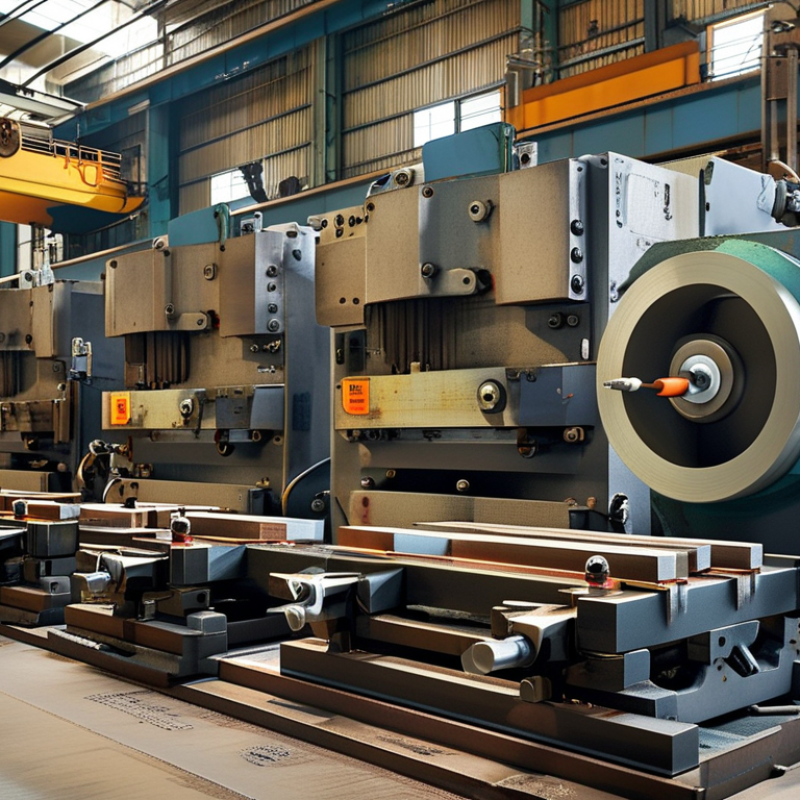
Cold rolling machines play a vital role in metal processing. These machines shape materials through rollers, reducing thickness while improving surface quality. Understanding their applications is crucial for any business involved in metal fabrication. Industries such as automotive, aerospace, and construction rely heavily on cold rolled materials for their projects.
When selecting a cold rolling machine, consider the material type. Steel, aluminum, and copper require different settings. Ensure your choice aligns with the specific needs of your business. It’s important to assess the machine's specifications and compatibility with your production goals. Adapting to higher demands might require advanced features.
Tips: Evaluate the machine’s capacity to handle your expected volume. Investing in a unit that aligns with your production rate can save time and costs. Also, don’t ignore the importance of maintenance. Regular check-ups enhance performance and extend the lifespan of the equipment.
Another key aspect is the machine's energy efficiency. Look for models that minimize energy consumption. This not only reduces operational costs but also benefits the environment. Keep in mind that not all machines are created equally. It's essential to thoroughly research before making a final decision.
Key Factors to Consider When Selecting a Cold Rolling Machine
Choosing the right cold rolling machine is crucial for manufacturing efficiency. Start by assessing your production requirements. Consider the materials you will process. Different machines cater to various metals, such as steel, aluminum, or copper. Each material requires specific rolling techniques and equipment capabilities.
The thickness and width of the materials are also vital. Ensure the machine can handle your desired product dimensions. Look at the machine's operational speed, as this affects overall productivity. Higher speeds can increase output but may compromise quality.
It’s important to evaluate the machine's durability and maintenance needs. Regular upkeep is essential to keep operations running smoothly. A less reliable machine can lead to unforeseen downtimes and costs. Also, think about the available space in your facility. A larger machine may boost productivity but require more room. This balance of space, cost, and capability often prompts deeper reflection on long-term needs.
How to Choose the Best Cold Rolling Machine for Your Business? - Key Factors to Consider When Selecting a Cold Rolling Machine
| Key Factor | Description | Importance Rating (1-5) |
| Rolling Capacity | The maximum thickness and width of the material the machine can handle. | 5 |
| Machine Speed | The speed at which the machine can process materials, affecting productivity. | 4 |
| Material Type Compatibility | The types of materials the machine is compatible with (e.g., steel, aluminum). | 5 |
| Roll Design | The shape and design of the rolls which influence the finishing of the product. | 4 |
| Control System | Types of controls (manual, semi-automatic, fully automatic) for ease of operation. | 5 |
| Maintenance Requirements | Frequency and ease of maintenance processes necessary for optimal performance. | 4 |
| Price | Total cost of the machine including installation and setup. | 5 |
| Energy Efficiency | The machine's consumption of energy relative to its performance. | 3 |
Evaluating Your Production Needs and Material Types
When evaluating production needs, understanding material types is crucial. Cold rolling machines handle various metals, including steel and aluminum. The choice of material impacts the selected machine's specifications. For example, aluminum requires lower rolling forces than high-strength steel. This distinction greatly influences the machine's design features, including its power and speed.
Industry reports indicate production demands are increasing. As a result, many manufacturers need machines with flexible configurations. Machines that accommodate a range of material thicknesses are in high demand. Quality of output matters too. A report from the International Journal of Advanced Manufacturing Technology states that tolerances of 0.1 mm are often required. Fulfilling these specifications can affect profit margins significantly.
Investing in a cold rolling machine requires thorough consideration of potential production challenges. It is important to assess how machine features align with operational needs. As businesses pivot to improve efficiency, selecting the right equipment can be complex. Valuable insights from industry experts highlight the necessity of aligning machine capabilities with specific material processing requirements. This alignment ensures maintaining product quality while optimizing production flow.
Comparing Different Cold Rolling Machine Brands and Models
When selecting a cold rolling machine, understanding the available brands and models is crucial. The market offers a wide range of options, each with unique specifications. Some machines emphasize energy efficiency, while others focus on precision. Industry reports indicate that around 30% of businesses prioritize energy savings in their purchasing decisions. This is an important factor, especially for companies aiming for sustainability.
Evaluating performance metrics is essential. Machines may differ in tolerances, production speed, and ease of maintenance. For instance, certain models may achieve a thickness reduction of up to 90% in a single pass, which significantly enhances productivity. However, maintenance requirements can vary. Users often report challenges with complex machinery that can lead to extended downtime. A machine that is difficult to maintain could disrupt production schedules, leading to potential losses.
The initial cost of a cold rolling machine is another consideration. While cheaper models might seem appealing, they often come with hidden costs. Over time, lower quality machines may incur higher maintenance costs and lower output efficiency. Analyzing total cost of ownership provides a clearer financial picture. Taking the time to assess different features and long-term impacts is key to making an informed investment decision.
Comparison of Cold Rolling Machine Specifications
This chart shows the comparison of different cold rolling machine models based on their sheet thickness range capabilities. When selecting a cold rolling machine, data like thickness range is crucial to ensure it meets production requirements.
Maintenance and Support Considerations for Cold Rolling Machines
Maintaining a cold rolling machine is crucial for optimal performance. Regular checks on the machine's alignment and lubrication help prevent breakdowns. Operators should be familiar with the specific maintenance tasks required. Ignoring these will likely lead to issues and costly repairs.
Support is another critical aspect of managing these machines. Establishing a relationship with technical support teams can enhance reliability. They offer guidance for troubleshooting, preventing operational downtime. Regular training for staff ensures everyone can handle minor issues. Yet, it's not uncommon for businesses to overlook this. Investing in proper training can pay off in the long run.
Incorporating a maintenance schedule is essential. This schedule should outline necessary inspections and repairs. Documenting these procedures can foster accountability among staff. Yet, companies often neglect this practice, which can result in inconsistencies. Reflecting on past mistakes can guide better maintenance strategies moving forward. Each machine is different, and understanding its unique requirements is key.





