How to Choose the Best Coated Steel Coil for Your Project?
Choosing the best Coated Steel Coil for your project can be challenging. The right material can enhance durability and aesthetics. Coated steel coils are popular in construction and manufacturing due to their versatility and resilience. Selecting a high-quality product requires understanding various aspects.
Consider the coating type. Different coatings offer various benefits, like corrosion resistance and color retention. Evaluate the environment where the steel coil will be used. This helps in determining the most suitable coating. Many options exist, but not all may meet your specific needs.
Think about the steel's gauge and weight. These factors impact the coil's performance and application. It is essential to assess your project's requirements thoroughly. In some cases, you might feel overwhelmed by choices. Reflecting on your priorities can simplify the decision-making process. Ultimately, choosing the right coated steel coil can influence the longevity and success of your project.
Understanding the Basics of Coated Steel Coils
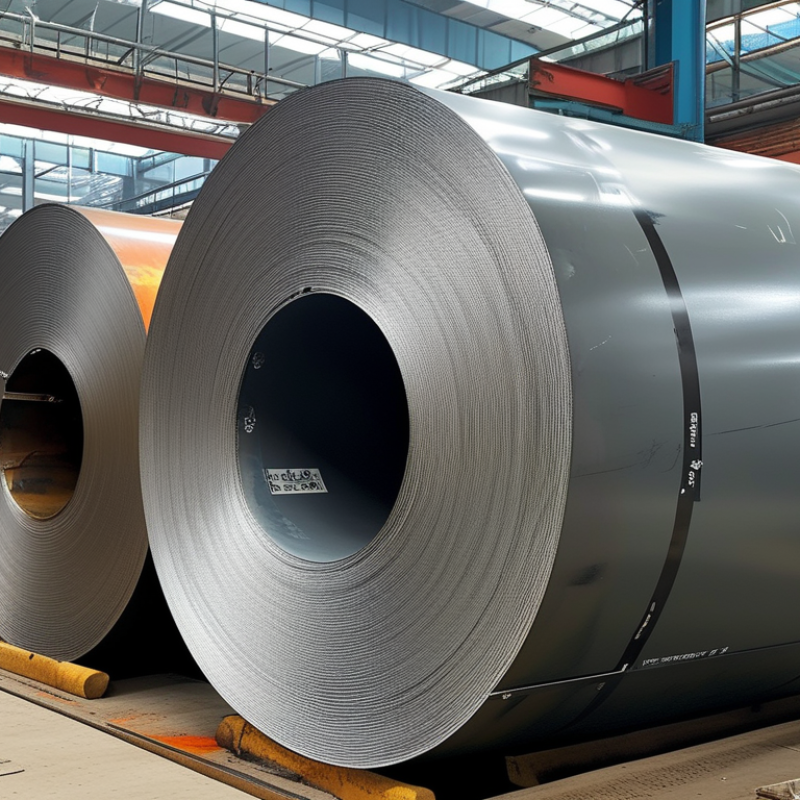
Coated steel coils are essential in various industries. They offer protection against corrosion and improve aesthetics. Understanding the basic types of coatings can significantly influence your project’s outcome. Common coatings include polyester, PVC, and metallic finishes. Each type has unique characteristics suited for different applications.
Reports indicate that about 80% of consumers prioritize durability and maintenance when selecting coated steel materials. For example, polyester coatings are widely recognized for their resistance to UV degradation. However, relying solely on these benefits can be misleading. Environmental factors like humidity and temperature changes can affect performance.
Selection criteria often overlap, causing confusion. Factors such as color retention and scratch resistance can vary significantly. Additionally, the thickness of the coil directly impacts performance and longevity. A report from the Global Steel Coating Association highlights that thicker coatings can improve lifespan by up to 30%. Yet, thicker does not always mean better for every application. Balancing these traits with your project needs requires careful consideration.
Key Factors to Consider When Selecting Coated Steel Coils
Choosing the right coated steel coil is crucial for any construction or manufacturing project. Some key factors play a significant role in this selection process. First, consider the coating material. Common options include polyester, polyvinylidene fluoride (PVDF), and epoxy. Each has unique properties, such as durability and resistance to corrosion, which can affect your project's longevity.
Next, evaluate the thickness of the coil. A thicker coil generally offers better strength but may be heavier and more challenging to work with. Standard thicknesses range from 0.3 mm to 1.5 mm. The American Iron and Steel Institute (AISI) suggests that a proper balance between weight and strength is crucial for performance.
Tips: Assess your project's environmental conditions. If it's exposed to harsh weather, opt for coils with higher corrosion resistance. Always check certifications, like ASTM or ISO, ensuring compliance with industry standards. These certifications often guarantee performance and reliability over time, important attributes for any coated steel coil you consider.
Finally, always factor in costs. Some high-performance coatings might come with a higher price tag. However, investing in quality materials may save you money on repairs in the long run. Balancing price against expected lifespan and performance can be challenging, but it's essential for a successful outcome.
Different Types of Coatings and Their Applications
Choosing the right coated steel coil is crucial for any project. Different coatings serve various functions based on their composition and application. Common coatings include polyester, epoxy, and galvanization. Polyester coatings are popular for their aesthetic appeal and good weather resistance, ideal for buildings and appliances. Reports indicate that over 30% of architectural projects use polyester-coated steel.
Epoxy coatings provide excellent corrosion resistance. They are often used in industrial settings, where durability matters. According to industry data, epoxy coatings can extend the lifespan of steel by up to 50% in harsh environments. However, they may not be UV resistant, which can limit their use outdoors.
Galvanization offers a different advantage. It protects steel through a zinc coating, ideal for outdoor applications like fences and rooftops. Yet, while galvanization increases longevity, its quality can vary based on the application method. Understanding these differences helps in selecting the right coating for specific environments, ensuring both cost-effectiveness and durability.
Evaluating Quality and Durability of Coated Steel Coils
When evaluating the quality and durability of coated steel coils, multiple factors must be considered. Coating thickness plays a significant role in corrosion resistance. According to industry reports, coils with a minimum thickness of 20 microns are recommended for outdoor applications. This standard ensures that the coating can withstand environmental stressors like moisture and UV exposure.
Another critical aspect is the type of coating used. Polyester and polyurethane coatings offer different levels of durability and aesthetic appeal. Studies show that polyurethane coatings outperform other types in both adhesion and flexibility, often lasting up to 30% longer in harsh conditions. While polyester is cost-effective, it may not provide the same longevity.
Quality control during manufacturing is also crucial. Regular audits and testing can prevent issues like poor adhesion or uneven coatings. Some manufacturers report a failure rate of over 10% in poorly managed production lines. Choosing a supplier with a strong reputation for quality can mitigate risks. However, it's essential to remain vigilant even with reputable sources. Investigating material certifications and performance data yields a better understanding of what to expect.
Cost Considerations and Budgeting for Your Project
When budgeting for coated steel coils, consider several factors. The cost of raw materials fluctuates based on the market. Prices can vary significantly depending on thickness, coating type, and finish. These elements influence the overall quoted price. Sometimes, suppliers offer packaged deals, which can provide savings if you're purchasing in bulk.
It's crucial to assess the total cost, not just the initial price. Installation expenses, maintenance, and energy efficiency play a role too. Will the coated steel coils require special tools for installation? Are there added labor costs? Reflecting on these questions can prevent overspending.
Don't forget the potential for price negotiations. Contact multiple suppliers to understand your options. While a lower price is attractive, ensure quality doesn’t suffer. Balancing cost with quality is essential for project success. Always remember, it's wise to review your decisions before finalizing any purchase.





