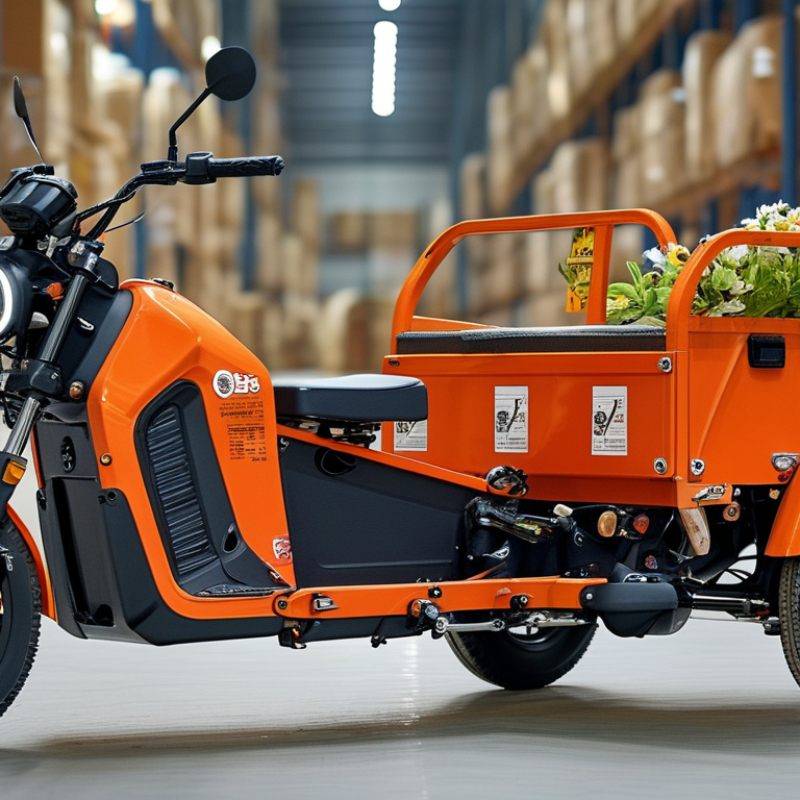
2026 How to Choose the Best Cargo Tricycle for Your Needs?
Choosing the right Cargo Tricycle can significantly impact your transport needs. With various models available, making an informed decision is crucial. Factors like load capacity, durability, and design play a vital role in determining the best fit for you.
When selecting a Cargo Tricycle, consider the intended use. Will it carry heavy items or deliver smaller packages? Each purpose demands different specifications. Evaluate your options carefully. A suitable choice can enhance efficiency while a poor one can lead to frustration.
Moreover, reflect on your budget and maintenance requirements. Some models might be affordable but require frequent repairs. Balancing cost and quality is essential for long-term satisfaction. Remember, the right Cargo Tricycle should not only meet your current needs but also adapt to potential future demands.
Understanding the Basics of Cargo Tricycles
Cargo tricycles are practical vehicles designed for transporting goods. They come with various features that cater to diverse needs. Understanding these basics can help you make informed decisions.
Start by considering the load capacity. Some tricycles can carry heavier loads, while others are more suitable for lighter items. Assess the types of goods you plan to transport. A narrower frame might be easier to maneuver in crowded areas. However, this can limit your load capacity.
Next, think about the power source. Electric options are great for urban settings, providing ease and efficiency. However, they may require charging infrastructure, which might not always be available. Traditional pedal versions offer physical activity, but they demand more effort, especially with heavier cargo.
Safety features are crucial too. Look for reliable braking systems and lights, especially for evening use. Stability is important, especially when navigating uneven terrains. Trying out different models can help gauge comfort and handling. Sometimes, what looks good on paper doesn’t feel right in practice. Therefore, test rides are essential for making the best choice.
2026 How to Choose the Best Cargo Tricycle for Your Needs?
| Feature | Option 1 | Option 2 | Option 3 |
| Load Capacity (kg) | 300 | 500 | 800 |
| Battery Type | Lead Acid | Lithium-ion | Gel |
| Range (km per charge) | 30 | 60 | 100 |
| Weight (kg) | 80 | 100 | 120 |
| Price Range ($) | 1,000 - 1,500 | 1,500 - 2,500 | 2,500 - 4,000 |
Identifying Your Specific Cargo Transportation Needs
When choosing a cargo tricycle, understanding your specific transportation needs is vital. Think about the type of cargo you will transport. For example, heavy goods demand a sturdy frame. Lightweight items, however, may require a different design. Ask yourself: what weight capacity do I really need? This will help narrow down your options.
Consider the terrain you'll traverse. If you often ride on rough roads, look for features like thick tires and suspension systems. Such elements enhance comfort and stability. On the other hand, if your routes are mainly urban, a compact design may be more efficient. Notice how the turning radius affects your maneuverability.
Lastly, evaluate how much storage you truly need. Do you require additional compartments or simply open space? Reflecting on these aspects will guide your selection process. Cargo tricycles can vary widely in functionality. A rich understanding of your unique requirements leads to better choices, avoiding regrets later.
Evaluating Different Types of Cargo Tricycles Available
When choosing a cargo tricycle, it's vital to consider the different types available on the market. There are several variations designed for specific needs. For instance, some cargo tricycles focus solely on transporting goods, with a flatbed design. Other models offer enclosures, protecting cargo from the elements. According to recent industry reports, over 65% of urban deliveries are done using such vehicles, showcasing their growing importance.
Payload capacity is another critical factor. Standard cargo tricycles can carry loads ranging from 300 to 1000 pounds. This diverse range can meet various business requirements. Moreover, certain tricycles come with electric assist options. This feature can enhance efficiency, especially in hilly areas. However, it's worth noting that while electric models are popular, they often require more maintenance than traditional pedal-powered options.
Lastly, evaluating your local regulations is also necessary. Different regions may impose restrictions on sizes, speeds, or operation hours. These factors can significantly influence your decision. Understanding your own needs and the environmental context is essential for making the best choice.
Key Features to Consider When Choosing a Cargo Tricycle
Choosing a cargo tricycle is not just about price. You need to focus on key features that suit your needs. Start with capacity. Look for models that can carry your expected load comfortably. Check the weight limit. An overly heavy load can affect performance and safety.
Consider the design of the tricycle. A sturdy frame can make a big difference in durability. Explore different body styles. A flatbed may be useful for larger items, while enclosed options offer protection from the elements. The wheel size also matters. Larger wheels can handle rough terrain better.
Don’t overlook the braking system. Reliable brakes are crucial for safety. Test the pedals and steering as well. A comfortable ride ensures you won’t tire easily. Always think about maintenance. Accessibility for repairs is important. Some designs can be cumbersome to fix. Reflect on these details to avoid future headaches.
Assessing Budget and Cost-Effectiveness of Cargo Tricycles
Assessing the budget for a cargo tricycle is crucial. Prices often range from $600 to $2,500, depending on the model and features. A higher price does not always guarantee better performance or durability. Research indicates that the cost-effectiveness of a tricycle is influenced by its intended use. For example, businesses conducting regular deliveries may benefit from investing in a robust model.
Maintenance costs also play a vital role. Regular servicing can add up, often around $100 annually. A cheaper model may lead to more frequent repairs. According to a study by the National Institute for Transportation and Communities, owners of low-cost tricycles reported higher long-term expenses due to maintenance issues. Factoring in fuel efficiency and storage capacity is equally important.
Additionally, financing options can impact your budget. Some purchasers opt for loans or payment plans, which can increase overall costs. A well-planned budget should consider these aspects. Mistakes in budget assessments can lead to financial strain. Choosing the right cargo tricycle involves weighing these factors carefully. Reflecting on your needs will ultimately guide you to a more informed decision.