7 Tips for Choosing the Best Back Stretcher Board
Back discomfort is common, but a stretching board is not a cure-all. The World Health Organization reported that low back pain affected about 619 million people worldwide in 2020, with projections reaching 843 million by 2050. These estimates underline the scale of the problem; they do not prove that any particular device relieves pain.
A Back Stretcher Board can offer a simple way to explore gentle extension at home. Still, the right choice depends on more than price or dramatic product claims. Consider the board’s adjustment levels, surface grip, dimensions, weight limit, and stability on your floor. A rigid arch may feel intense against the lower back. A rough edge or slippery base can make a short session uncomfortable. Small details matter.
Evidence matters, too. Population figures are not product trials, and benefits may vary from person to person. No independently verifiable quotation from a Back Stretcher Board industry specialist is cited here; inventing one would mislead readers. For ongoing or worsening symptoms, seek advice from a qualified health professional before relying on a device. Be cautious.
The tips ahead focus on practical checks you can make before buying: fit, construction, comfort, adjustability, safety guidance, and return policies. A useful board should feel controlled, not punishing. That distinction is easy to overlook.
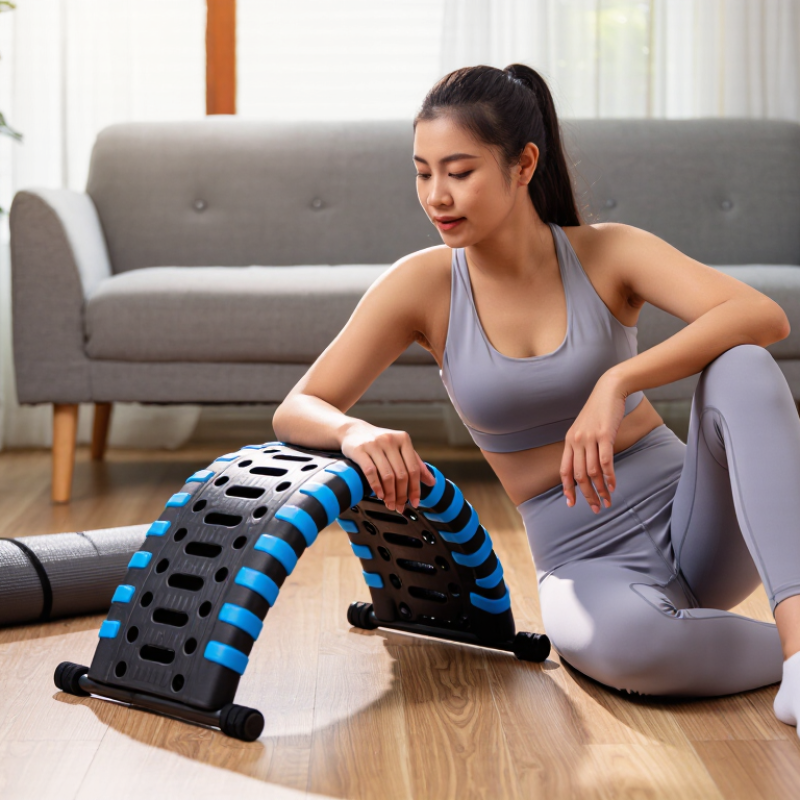
Clarify Your Back Care Goals and Intended Use
Before comparing a back stretcher board, define what you want it to do. Are you looking for a brief stretch after desk work, a gentle mobility routine, or support during supervised exercises? Those are different needs. Note where you feel tightness, when it appears, and which movements feel comfortable. A board is a tool, not a diagnosis. If pain is new, severe, spreading, or persistent, ask a qualified health professional before using one.
Tip: Match the board to your real routine. If you plan to use it beside your bed, check its footprint and storage needs. For short sessions, easy adjustments may matter more than extra features. Look for a stable base, clear instructions, and a surface that stays put on your floor. Picture setting it up at the end of a tiring day. Awkward equipment often goes unused.
Choose a gentle starting position and follow the maker’s instructions. More stretch is not automatically better. It can be tempting to pick the steepest arch, especially when you want quick relief, but comfort and control matter more. Stop if you feel sharp pain, numbness, or worsening symptoms. Your intended use may change as your routine develops, so leave room to reassess rather than assuming one board will suit every goal.
Compare Arch Shapes, Height Settings, and Stretch Intensity
WHO’s 2023 low-back-pain fact sheet estimates that 619 million people experienced low back pain in 2020. It projects 843 million cases by 2050. That scale makes comfort and safe use worth taking seriously, but it does not prove that a stretcher board treats pain.
Tip 1: Compare arch shapes against your natural back curve. A shallow arch may feel gentler; a pronounced arch can create stronger pressure. Tip 2: Check height settings. Begin with the lowest position, then raise it gradually if the stretch feels comfortable. Your hips should stay supported, not slide toward the floor.
Tip 3: Judge intensity by how your body responds, not by how far you can bend. Mild tension is enough. Less is often safer. Try a brief session on a firm surface, and stop if pain sharpens, travels down a leg, or causes numbness. I would not assume a higher arch is better; fit varies, and product instructions can be vague. If symptoms persist, ask a qualified health professional before continuing.
Check Materials, Weight Capacity, and Safety Features
A back stretcher board should feel stable before it feels comfortable. Check whether its material is sturdy, smoothly finished, and easy to wipe clean. Plastic boards can be light and simple to store; wooden boards may feel firmer but need careful inspection for splinters or rough edges. Look closely at joints and molded seams. They should not wobble or catch your fingers. Small details matter.
Check the stated weight capacity, and do not estimate it from appearance. Choose a board rated above your body weight, allowing a sensible margin for movement. Capacity labels can be easy to overlook. Read them. Safety features deserve equal attention: nonslip feet, secure angle settings, and a broad base can help limit sliding on a hard floor. Test the board gently before putting your full weight on it. If it shifts, stop and reposition it. I used to treat a higher capacity as proof of better quality; that misses stability and fit. A board that feels awkward may encourage poor positioning. Discomfort or sharp pain is a reason to stop, not push through.
Assess Comfort, Body Fit, and Ease of Storage
Comfort should feel supportive, not like a forceful push. Choose a back stretcher board with a surface that does not dig into your shoulders or hips. If possible, try it over a thin shirt and begin on the lowest arch setting. Keep the first session brief. A mild stretch may feel unfamiliar, but sharp pain, numbness, or tingling is a reason to stop. If you have a back condition or ongoing pain, ask a qualified health professional before using one.
Body fit matters. Check the board’s length and width against your height and shoulder width, and look for clear guidance on its weight limit. Your spine should rest near the center, with your head and hips supported rather than hanging off the edges. Adjustable height can help you increase the arch gradually. Bigger is not always better. I’d also question any product that promises to fix pain quickly; comfort and response vary from person to person.
Storage can decide whether the board gets used at all. Measure the space under your bed, inside a closet, or beside a desk before buying. A lighter board with a flat profile may be easier to move, while removable parts can be useful in a shared room. Check that it stays stable on your floor and can be wiped clean. One small oversight: a board that fits the closet may still be awkward to carry.
Compare Price, Warranty, and Long-Term Care Needs
When comparing back stretcher boards, look beyond the price on the shelf. A cheaper model may have a shorter warranty or require more careful storage. Check what the warranty covers, how long it lasts, and whether you must keep the receipt. A warranty may exclude damage from normal wear, overloading, or improper cleaning. Read the terms before buying, not after a crack appears.
That matters. A board used several times a week faces more wear than one used occasionally. Check the recommended weight limit, surface materials, and cleaning instructions. Can it be wiped clean without soaking? Will it fit under a bed or in a closet? Small details count. A padded surface might feel comfortable, but padding can need extra care as it ages. Compare replacement-part availability too, if parts are serviceable. I may be overthinking storage, but a board left in a damp bathroom can deteriorate sooner. Choose a price and warranty that fit your routine, and ask a qualified health professional before use if you have a back condition or persistent pain.





