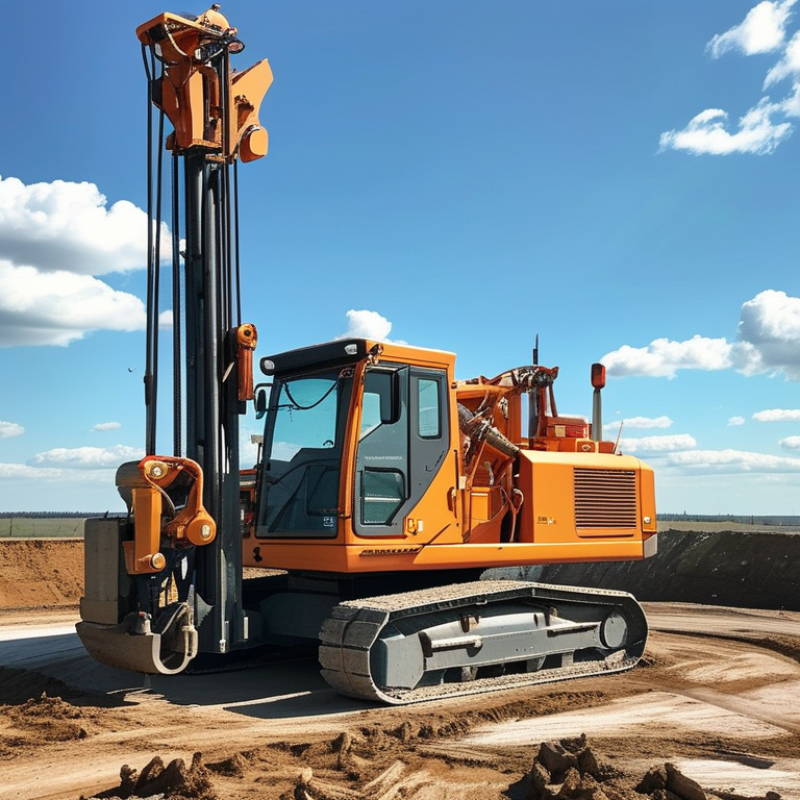
How to Choose the Best Anchor Drill Rig for Your Needs?
Choosing the right Anchor Drill Rig can be a daunting task. “A quality rig can make or break your project,” states John Morrison, an industry expert with over 20 years of experience. His insight into the Anchor Drill Rig market highlights the importance of selecting equipment tailored to specific needs.
When considering an Anchor Drill Rig, factors like project scale and soil conditions are crucial. Many users often overlook these details, leading to costly mistakes. Selecting the wrong model can hinder efficiency and even compromise safety. Remember, a well-suited rig should match your technical requirements and enhance productivity.
As you navigate this decision, take the time to assess various options. Explore features and performance specifications. An informed choice can make a significant difference in your drilling success. Be cautious—the best rig for one project might not be ideal for another.
Understanding Different Types of Anchor Drill Rigs Available in the Market
When considering anchor drill rigs, it's essential to understand the diversity in their design and functionality. Various models serve different purposes. Some are tailored for small projects, while others are designed for large-scale tasks. Compact rigs are easier to transport but might lack the power needed for tougher conditions. On the other hand, larger rigs can handle deep drilling but require more space and setup time.
Each type of anchor drill rig presents unique advantages. A rotary drill rig offers versatility for a range of soil types. Conversely, a hydraulic rig excels in challenging terrains where more stability and torque are necessary. It’s crucial to evaluate the specific needs of your project before making a decision.
When choosing a rig, consider these factors: the depth of the anchor, soil conditions, and project size. Make sure the rig can handle the expected workload. Always think about the long-term maintenance and support for the equipment. Investing in a reliable rig may save costs over time. Test various options and talk to professionals for insights. Understanding these details will guide you to the best choice for your needs.
How to Choose the Best Anchor Drill Rig for Your Needs? - Understanding Different Types of Anchor Drill Rigs Available in the Market
| Type of Anchor Drill Rig | Weight (kg) | Max Drilling Depth (m) | Power Source | Typical Applications |
| Crawler Anchor Drill Rig | 3000 | 30 | Diesel | Construction, Mining |
| Portable Anchor Drill Rig | 1500 | 15 | Electric | Geological Survey, Small Scale Projects |
| Truck-mounted Anchor Drill Rig | 4500 | 25 | Hybrid | Civil Engineering, Foundation Works |
| Rotary Anchor Drill Rig | 5000 | 35 | Diesel | Deep Foundation, Soil Nailing |
Key Factors to Consider When Selecting an Anchor Drill Rig
When selecting an anchor drill rig, there are several key factors to consider. Start by assessing the rig’s power source. Hydraulic rigs often provide more torque and efficiency. Electric options are quieter and suitable for indoor projects. Determine where you'll use the rig. Some models perform better in rough terrain. This decision impacts your project’s timeline and budget.
The drilling depth and diameter must align with your project needs. Verify the specifications to ensure compatibility. Pay attention to weight and portability. Heavy rigs may require specialized transport, which could introduce delays. A well-balanced rig makes operation easier, reducing fatigue over extended periods.
Maintenance plays a crucial role in long-term ownership. Choose a rig that is easy to service, with readily available parts. User reviews can reveal insights into durability and reliability. Ultimately, understanding these nuances can guide you toward the best choice for your tasks. Balancing power, portability, and ease of maintenance will help navigate the options available in the market today.
Key Factors to Consider When Selecting an Anchor Drill Rig
Assessing Your Project Requirements for Anchor Drill Rig Selection
When selecting an anchor drill rig, evaluating your project requirements is crucial. Consider the soil type and density at your site. Hard, rocky ground demands a more powerful rig than soft, sandy soil. Assess the depth you need to drill. Some rigs operate better at deeper levels, while others excel in shallow projects.
Think about the rig's mobility. If your site is compact, a smaller, portable rig may be necessary. However, larger rigs might provide the power you need. Review the rig's capacity for different anchor types. Certain projects require specific anchors that some rigs cannot handle.
Discuss these details with project stakeholders. Not all rigs fit all needs. Seek input from experienced operators. They can offer insights into the specific challenges and limitations of each rig. This discussion will lead to a better decision tailored to your unique project requirements. An informed choice ultimately saves time and reduces costs.
Comparing the Costs and Features of Popular Anchor Drill Rigs
When selecting an anchor drill rig, understanding costs and features is crucial. Studies show that a quality rig can range from $30,000 to over $200,000. Features such as portability, drilling capacity, and depth capabilities greatly affect pricing. For instance, rigs designed for deep foundation projects often cost more due to their advanced technology and durability.
Many rigs also vary in weight and size. Lighter models are easier to transport but may not handle heavy-duty tasks effectively. In contrast, heavier rigs provide stability and power but can be cumbersome on job sites. Reports indicate that operators frequently report a 20% increase in efficiency with rigs specifically matched to their project needs.
Evaluate your work environment carefully. If tight spaces are common, a compact model may be necessary. However, heavy-duty projects benefit from larger, more powerful rigs. Finding a balance between price and capability is essential. Look for rigs with proven performance records. This approach may prevent costly mistakes in the long run.
Regular maintenance is key. Neglecting routine checks can lead to equipment failure. It's vital to assess the total cost of ownership, not just the purchase price. Remember that reliable customer support and service should influence your decision. Always conduct thorough research before finalizing your choice, as investing wisely pays off.
Maintenance and After-Sales Support for Anchor Drill Rigs
When selecting an anchor drill rig, consider the importance of maintenance and after-sales support. A robust after-sales support system ensures that any operational issues can be promptly addressed, minimizing downtime. Regular maintenance is essential for optimal performance. It prevents major breakdowns that can lead to costly repairs and project delays.
Evaluate the maintenance programs offered by manufacturers. A reliable provider will offer scheduled servicing to keep the rig in top shape. Inquire about parts availability and the technicians' expertise. Look for companies that prioritize training, as well-trained staff can significantly impact the rig's longevity.
A few practical tips can guide your decision-making. Always review customer feedback on after-sales services. This insight reveals the company's reliability. Additionally, check the warranty options. A comprehensive warranty often indicates manufacturer confidence in their product. Lastly, establish a relationship with service providers early on. Having a direct line to support can make all the difference in emergencies.