How to Choose the Best Acid Tanks for Your Needs?
Selecting the right acid tanks for your operations is crucial. With the growing chemical processing industry, the demands on acid tanks have increased significantly. According to a recent report by Chemical United, the global acid storage market is expected to grow by 6% annually. This growth indicates the need for reliable and efficient acid tanks.
Experts like Dr. Emily Rivera, a chemical engineering consultant, emphasize the importance of choosing the right tank. She states, “Selecting an acid tank is not just about capacity; safety and compatibility must be prioritized.” Her insight reflects a broader industry consensus on safety standards.
When evaluating acid tanks, consider materials, durability, and storage capacity. A well-designed tank can prevent leaks and withstand corrosive environments. Ignoring these factors can lead to disastrous outcomes. Thus, a careful selection process is essential for operational efficiency and safety.
Understanding Acid Tanks: Key Features and Specifications
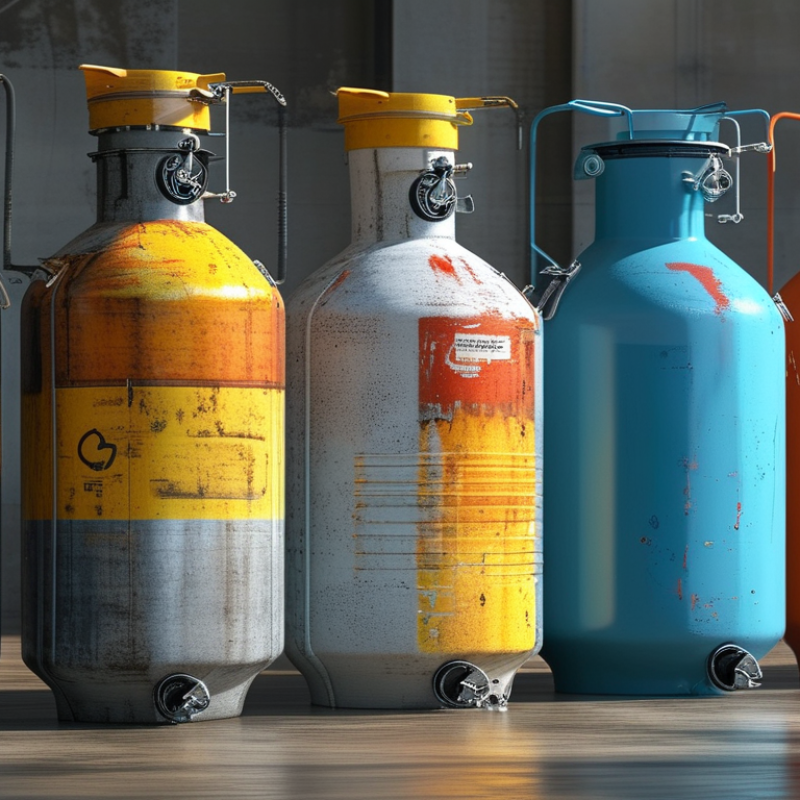
When selecting acid tanks, understanding their features is critical. The specifications can greatly affect functionality. Key characteristics include material resistance, size, capacity, and safety features. Most acid tanks are made from polyethylene, fiberglass, or stainless steel. Each material has its unique advantages. For instance, polyethylene offers good chemical resistance but may degrade under UV exposure. In contrast, stainless steel is robust and offers longevity, yet it can be more expensive.
Tank capacity is another essential factor. Common sizes range from 50 to 500 gallons. A 2021 industry report indicated that 67% of users preferred tanks under 200 gallons for standard applications. This size typically balances manageable weight with adequate chemical storage. Additionally, safety features, such as double-walled containment and pressure relief valves, are vital. Many facilities, according to a 2022 safety review, noted a 30% reduction in accidents when such features were implemented.
Yet, it's important to consider environmental conditions where tanks will be used. Some tanks may require additional thermal insulation. Users often overlook these specifications, leading to premature failures. A thorough evaluation ensures that the chosen tank meets both immediate and long-term needs. This reflection on operational context can prevent costly errors and enhance overall safety.
Acid Tanks Capacity Comparison
Types of Acid Tanks: Selecting Based on Material and Design
When selecting acid tanks, understanding the types based on material and design is crucial. Different materials offer distinct benefits and drawbacks. For instance, polyethylene tanks are lightweight and resistant to corrosion. They are ideal for storing sulfuric acid but may not withstand high temperatures. On the other hand, fiberglass tanks offer excellent durability and temperature resistance, making them suitable for various acidic solutions.
Consider the design of the tank as well. Vertical tanks save space and are easier to install in confined areas. However, horizontal tanks provide better stability and are often easier to fill and empty. It's also important to evaluate the tank's capacity. Overestimating your needs might lead to unnecessary costs while underestimating could result in operational disruptions. Weigh the pros and cons of each design in relation to your specific application.
Don't overlook safety features. Some tanks come equipped with double-walled designs to prevent leaks. This can be a lifesaver in preventing spills that can harm the environment. Understanding these nuances helps ensure you select the right tank for your requirements. It’s important to reflect on your unique situation before making a decision.
Considerations for Size and Capacity in Acid Tank Selection
Choosing the right acid tank involves several considerations, primarily size and capacity. The dimensions hinge on the volume of material you plan to store. Overestimating can lead to unnecessary costs and wasted space. Conversely, underestimating creates operational risks. It’s essential to strike a balance that meets current needs while anticipating future growth.
Capacity is equally vital. Each tank will have a specific maximum safe limit. Understanding the daily usage rates aids in selecting a tank that won’t run over or remain mostly empty. Regularly analyze your consumption patterns. This reflection will help you adjust to your actual requirements. Remember, a tank selected without careful thought can lead to leaks or overflow.
Consider the physical space available for installation. Even a well-chosen tank may fail if it doesn't fit properly. Space constraints can impact maintenance access too. Take precise measurements and think about future modifications to your facility. Engaging with experts in tank design and usage can provide additional insights. Their experiences can guide you in making the best decision for your situation.
Evaluating Safety Features and Compliance Standards for Acid Tanks
When selecting acid tanks, safety features are critical. Look for tanks made of corrosion-resistant materials. This ensures structural integrity over time. The tank design should include pressure relief valves to prevent over-pressurization. These features alone can save lives and prevent hazardous spills.
Compliance with industry standards is essential. Check for certifications that align with local and international safety regulations. Non-compliance can lead to significant penalties and increased risks. Regular inspections and maintenance records are vital for confirming a tank’s reliability. It is also wise to conduct a risk assessment. This helps predict potential failures and identifies areas for improvement.
Safety features are often overlooked. Investing in high-quality tanks may seem costly upfront. However, the long-term benefits outweigh the risks. Ensure that your tank supplier provides adequate documentation. Understand the local regulations governing acid storage. This can prevent future complications. Ultimately, a careful approach can yield significant safety improvements.
Cost Analysis: Budgeting for Acid Tanks and Their Maintenance
When analyzing costs for acid tanks, consider both initial purchase and long-term maintenance. Industry reports highlight that the price of acid tanks varies significantly, often ranging from $1,500 to $5,000, depending on size and material. For example, polyethylene tanks may be less expensive compared to fiberglass options, which boast higher durability. However, the initial investment does not cover all expenses.
Maintenance costs can escalate quickly. According to a study by the American Chemical Society, maintenance can account for up to 20% of total ownership costs annually. Regular inspections, cleaning, and potential repairs are vital for ensuring safety and compliance. Failure to maintain tanks can lead to leaks or corrosion, resulting in costly fines and replacement needs.
Furthermore, consider the safety measures involved. Installing secondary containment systems adds to upfront costs but protects the environment. A report from the Environmental Protection Agency indicates that proactive safety protocols save companies, on average, $7,000 annually in incident-related expenses. Investing in the right equipment is pivotal, but understanding the hidden costs ensures better budgeting for your operations.
How to Choose the Best Acid Tanks for Your Needs? - Cost Analysis: Budgeting for Acid Tanks and Their Maintenance
| Tank Material | Capacity (Liters) | Initial Cost ($) | Maintenance Cost/Year ($) | Lifespan (Years) | Total Cost Over 10 Years ($) |
| Polyethylene | 1000 | 1500 | 200 | 10 | 3500 |
| Fiberglass | 1500 | 2500 | 250 | 15 | 5750 |
| Stainless Steel | 2000 | 5000 | 300 | 20 | 10500 |
| Carbon Steel | 2500 | 3500 | 400 | 10 | 7500 |





