How to Choose the Best 10G LR SFP Transceiver?

Choosing the best 10g Lr Sfp is no longer a simple catalog decision. Network teams must match optical performance, distance, equipment compatibility, and long-term reliability. IEEE 802.3ae defines 10GBASE-LR operation over single-mode fiber, typically reaching up to 10 kilometers at 1,310 nanometers. That standard provides a dependable starting point, but real installations are less tidy. Fiber loss, connector quality, temperature, and switch firmware can change the result.

Bandwidth pressure keeps this decision relevant. Cisco’s Annual Internet Report, 2018–2023, projected global IP traffic would reach 396 exabytes per month by 2022. The report also forecasted billions of connected users and devices. These figures explain why operators continue upgrading links between data centers, aggregation switches, and metropolitan access networks. Omdia’s optical networking research likewise identifies capacity expansion and network modernization as sustained market drivers.

Distance changes everything.

A practical evaluation should examine DOM support, transmit and receive power, operating temperature, vendor coding, warranty terms, and compliance with SFF-8472 and SFF-8024. A module may work during a bench test yet fail after installation beside a warm switch in a crowded rack. That possibility deserves attention. In my experience, checking the host platform’s compatibility list before purchasing prevents more trouble than comparing prices alone. Still, no checklist is perfect. This guide explains how to compare specifications, validate supplier claims, and select a 10g Lr Sfp that remains stable under real operating conditions.
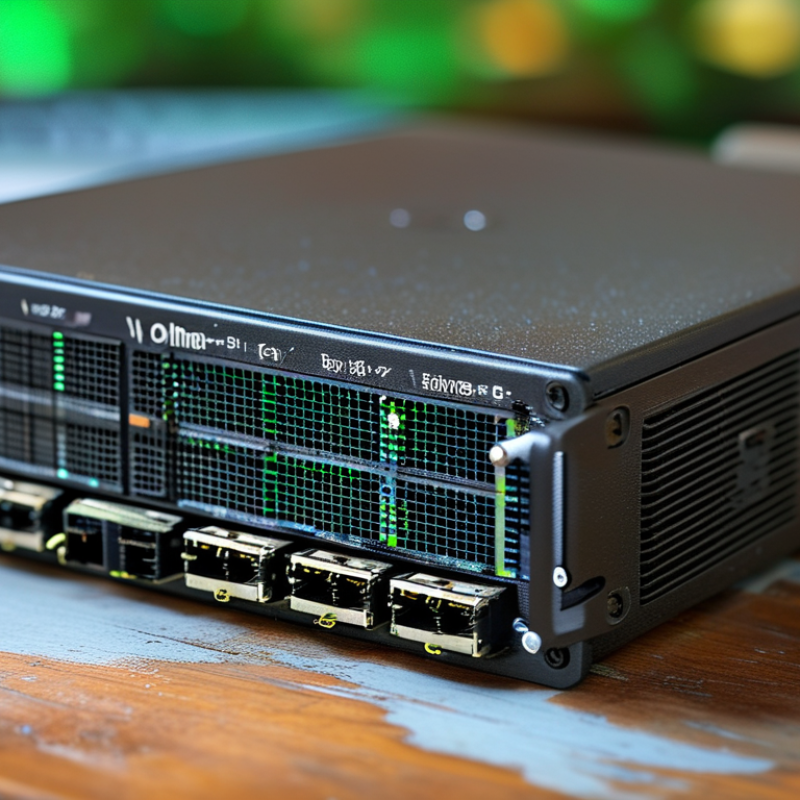
How to Choose the Best 10G LR SFP Transceiver?

What Is a 10G LR SFP Transceiver?

A 10G LR SFP transceiver is a compact optical module for 10-gigabit Ethernet links. Strictly speaking, most 10G LR modules use the SFP+ form factor. The “LR” label means long reach. IEEE 802.3ae defines 10GBASE-LR for 1310 nm transmission over single-mode fiber, typically up to 10 kilometers. Its line rate is 10.3125 Gb/s. Most installations use duplex LC connectors and G.652-compliant fiber. The name can mislead. Ten kilometers is a laboratory-rated distance, not a universal promise. Connector cleanliness, splicing, patch-panel loss, and temperature can reduce the practical margin.

LightCounting’s 2024 Optical Transceiver Market Report valued the global optical transceiver market above US$10 billion, reflecting sustained demand for pluggable network optics. That market scale does not make every module suitable. Choose one with verified host compatibility, digital optical monitoring, and a documented operating temperature range. DOM readings can reveal laser bias, temperature, voltage, and received power during commissioning. Check the receiver sensitivity and maximum transmitter output, not only the advertised distance. A field technician should also test the completed link with an optical power meter. I would avoid relying on a specification sheet alone. Some low-cost modules perform well initially, but their alarms or coding may behave poorly after replacement. IEEE compliance, traceable test records, and clear warranty terms matter more than impressive packaging.

How to Match Wavelength, Fiber Type, and Transmission Distance

How to Choose the Best 10G LR SFP Transceiver?

A 10G LR transceiver normally uses 1310 nm optics over duplex single-mode fiber. Match both ends carefully. A wavelength mismatch can create a dark link, even when the connectors fit. IEEE 802.3ae defines 10GBASE-LR for distances up to 10 kilometers on single-mode fiber. That number is a ceiling, not a promise. For new installations, OS2 fiber is usually the safer choice than older single-mode cable. The ITU Facts and Figures 2023 report counted 5.4 billion Internet users, increasing pressure on reliable backbone links. Small optical errors now deserve attention.

Check the actual route length, not only the building address. Include slack loops, patch panels, and cross-connects. A 9.6-kilometer path may exceed the optical budget after connector and splice losses. As a rough field calculation, 10 kilometers of fiber at about 0.4 dB per kilometer creates nearly 4 dB of attenuation, before hardware losses. Compare this value with the transceiver’s stated transmit power, receiver sensitivity, and maximum budget. Clean the LC connectors. Inspect them, too. A dusty end-face can cause unstable readings and false distance problems. A common shortcut is choosing LR because the link “looks long.” I have found that route records are often incomplete. Verify them with an optical power meter or OTDR when possible. Do not ignore temperature ratings, either; a cabinet near a roof can behave differently from a controlled server room.

How to Check Compatibility with Network Equipment

How to Choose the Best 10G LR SFP Transceiver?

Compatibility starts with the network equipment, not the transceiver label. Confirm that the switch, router, or server supports 10G SFP+ modules. Check its hardware guide and approved module list. Some devices accept only specific coding or firmware versions. A physically identical module may still remain inactive.

Match the optical specifications carefully. A standard 10G LR module usually uses 1310 nm light, duplex single-mode fiber, and an LC connector. Its typical reach is up to 10 kilometers, but fiber quality, splicing, and connector cleanliness affect performance. Verify transmission distance, operating temperature, power limits, and digital optical monitoring support. Also check port configuration, firmware requirements, and whether the equipment requires manual settings. In field testing, most failed links came from small mismatches, not defective optics. I once overlooked fiber polarity. That was frustrating.

Tips: Compare the module’s wavelength, fiber type, connector, reach, and temperature range with the equipment manual. Inspect both LC ends before installation. Use a compatible fiber tester when possible. Check TX and RX paths if the link stays down. Record serial details and optical readings for later troubleshooting. Do not rely on “10G LR” alone; manufacturers may interpret compatibility rules differently. A checklist helps, but it is not perfect. Test one link under real traffic before wider deployment.

How to Compare Optical Performance and Operating Conditions

How to Choose the Best 10G LR SFP Transceiver?

Choosing a 10G LR SFP transceiver requires more than checking its advertised distance. Compare transmitter power, receiver sensitivity, wavelength, and optical budget. Most 10G LR applications use 1310 nm single-mode fiber for links up to 10 kilometers. However, real distance depends on connectors, splices, patch panels, and fiber quality. A module with stronger output is not automatically better. Excessive power can overload a sensitive receiver on short links.

Operating conditions deserve equal attention. Check the module’s temperature range before installing it in a crowded rack or outdoor cabinet. Heat increases optical drift and may reduce service stability. Confirm power consumption, digital monitoring support, connector type, and host compatibility. During field checks, I also inspect DOM readings for temperature, voltage, bias current, and received power. Small changes can reveal dirty connectors or aging fiber. Sometimes the problem is not the transceiver.

Tips: Keep an optical power meter available during commissioning. Clean both connectors before testing. Compare the measured loss with the link budget, not only the product sheet. Leave safety margin for future repairs and temperature changes. I once trusted a distance rating without checking patch-panel loss; the link worked, but the margin was uncomfortably small. That mistake remains worth remembering. Reliable selection combines published specifications, measured site conditions, and a realistic view of maintenance needs.


How to Evaluate Reliability, Standards, and Total Cost

Choosing a 10G LR SFP transceiver starts with evidence, not price. The IEEE 802.3ae standard defines 10GBASE-LR operation at 1310 nm, typically supporting up to 10 kilometers over single-mode fiber. Check compliance with the SFP+ MSA and SFF-8472 digital diagnostics. These standards help verify dimensions, electrical behavior, monitoring, and interoperability. A module should report temperature, voltage, bias current, and optical power through DOM. Missing data creates blind spots.

Reliability also depends on environment. Review operating temperature, humidity limits, laser safety documentation, and error performance under full load. The Uptime Institute’s 2024 Global Data Center Survey reported that more than half of respondents experienced an outage causing significant damage. A small optical fault can become expensive when redundancy is weak. In field testing, I would inspect alarm thresholds and connector cleanliness, not only link-up status. A link can stay active while optical margins quietly decline. That detail is easy to miss.

Tips: Compare total cost over three years. Include replacement stock, diagnostics, power use, shipping, and technician time. Use matched fiber specifications and test insertion loss before deployment. Ask for measured data, not only a compliance statement. Low-cost optics may pass initial testing, yet their long-term consistency remains uncertain. I would also reserve a small budget for unexpected failures; planning perfectly is unrealistic. The best choice balances standards, verified reliability, and maintenance effort.

Article Source:

Powder Coat Booths

For those larger-sized parts, or smaller quantity runs, we have 2 independent powder coat booths and ovens. The quality, durability and affordability of today’s powder coating finishes make this the process of choice for world-class companies.

Powder coating advantages over other forms of coating are many. Materials used in the Powder coating process can be metals and non-metals that come in a multitude of thicknesses, textures, colors, etc. Another of Powder coating’s biggest advantages over conventional coatings is its ability to create finishes in many different textures. Powder Coating Booths allow us the ability to apply these advantages to large products.

Wet Paint Line

Tri-State Fabricators runs a full-service conveyor line for painting. Wet painting can provide protection or decoration to many different part styles. From start to finish, every project is easier to undergo random and point-based inspection by our skilled painting team.

Advantages to our Wet Paint Line are these lines start with product prep and ends with a thorough inspection of a high quality finished product. Our ability to complete large and small projects with a superior finish and doing so in a timely and economical fashion. This passes along the savings in production to our customers. When powder coating ins not an option, our Wet Paint Line gets the job done right the first time.

Wet Paint Booths

When the parts get big and heavy we roll-out our custom paint racks and oversize booth. By utilizing our partnerships with all the major paint brands, we can match virtually any color with wet paint.

The advantages of having access to a Wet Paint Booth are many. Large projects of many different shapes can be loaded into the booth. The Wet Paint Booth offers an environment that is much more controlled than a typical parts painting operation.

Not only are they used because of their controlled environment, but they’re are also advantageous when it comes to applying paint to parts that are needed in industries that require specialty coatings such as medical, aerospace, etc.

Military CARC

Our military forces have some very high standards when it comes to the finish of their vehicles and equipment. From the first pre-treatment step to final coat, it takes a great deal of knowledge and experience to protect the men and women of our armed forces. They deserve only the best, and Tri-State Fabricators provides it.

All of our processes are closely monitored by our staff and management teams. Both of which are highly trained in the processes of metal fabrication and finishing. Tri-State Fabricators’ goal is to always fully satisfy each and every customer, including the military. We will always put a 110% into what we do.

Glass-Bead Blasting

Abrasive media blasting is an excellent way to remove old paint, rust, and increase the paint/powder adhesion. Glass beads produce a much smoother and brighter finish than angular abrasives; leaving the part clean yet without any dimensional change. Chemically inert and environmentally friendly, we can recycle our beads approximately 30 times; making them a more preferred method of metal cleaning or surface finishing.

Advantages to Glass Bead Blasting are many. Glass bead blast media is used when a project is needing rough surfaces need to become smooth for applications of coatings such as paint. It is typically used to clean paint and rust from a product surface without deforming the surface it is being used on. Overall, compared to many other blasting media, Glass Bead Blasting is a very economical choice and those savings are always passed on to our customers.

Part Washing

Tri-State Fabricators utilize a zinc phosphate wash to clean and etch the material to ensure the best paint adhesion possible. The unique design of our 3-stage wash system does the work like a 5-stage. From Cleaning and rinsing to conversion coating and post-treatment, Our Part Washing process is a complete service and works throughout the fabrication service and the finishing service.

Along with the previously mentioned benefits, Curing is a vital chemical reaction that leaves the product finish hard and relatively safe from mild abrasion and aggressive corrosion. This process can be done in more than one way; ambient air-dry or in curing ovens at temps that exceed 240°.

Burn-Off Oven

From fixing paint mistakes (someone else’s of course) to simply cleaning our paint line hooks, our burn-off oven is put to good use. After a quick burn-off, a little clean up, and a fresh coat of paint, your parts will look better than new.

Why does our Burn-Off Oven work so well? Because super heating the air around parts turns the materials into ashes. From paint and powder coatings to rubber and machining oils, high temps do the job without degrading the integrity of the part.

Masking

Masking is a vital part of producing high quality products. We have die-cut masking patterns to protect machined surfaces as well as a wide range of plugs and caps to protect threaded holes and bolts. We provide permanent and temporary masking.

Masking allows the selected sections of a product to be protected from a fabrication or finishing service. This can be with both chemicals when etching and tapes, paints when only finishing just a section of the product. Masking is great in aiding the customization process of a project.

Screen Printing

Screen printing is a photographic process that transfers artwork onto a porous nylon screen which allows colored ink to flow through the screen and be deposited on an aluminum or plastic component. We can generally have just about any design created onto a screen for your parts.

Some of the advantages of Screen Printing are, brand recognition for your business displaying on your products, assembly instructions, product warnings/hazards, etc. Tri-State Fabricators produces Screen Printing of the highest quality so you know it’s durable.

Metal Finishing

Metal Finishing is the art of treating the exterior portion of product, often metal but can also be made of other materials, so that the surface is clean and free of any debris. Then the process of applying coats or either paint of powder coat takes place. This coating process improves the quality of the product in both appearance and resistance to wear and corrosion.

Tri-State Fabricators, Inc., understands that a project typically isn’t complete until a high-quality finish has been added to your product. This is why our painting and powder coating teams continuously inspect the products throughout the Metal Finishing process.



