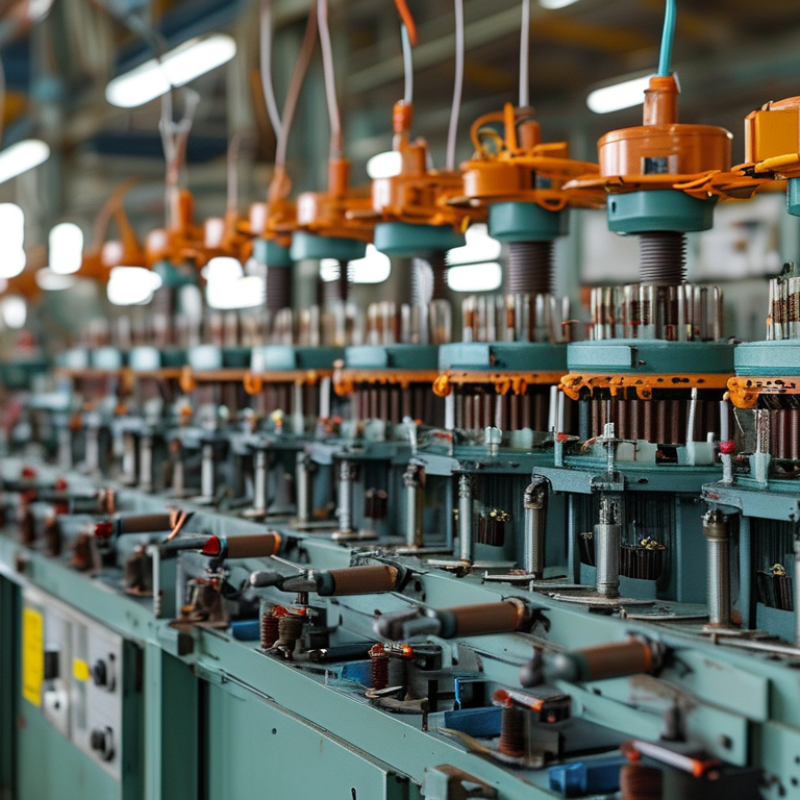
Top Tips for Choosing the Right Transformer Winding Machine?
Choosing the right Transformer Winding Machine is crucial for efficiency and quality in electrical manufacturing. The winding process impacts the performance of transformers directly. Selecting the right machine can enhance productivity and reduce costs significantly.
When evaluating options, consider factors like winding speed, precision, and ease of operation. Not all machines are created equal. Some may lack features that meet your production needs. It’s essential to assess your specific requirements before making a decision.
Additionally, research reputable manufacturers and their track records. Understand the technology they use, and seek feedback from other users. Investing time in this process can prevent costly mistakes later on. A well-chosen Transformer Winding Machine can make a substantial difference in your production line's reliability and success.
Understanding Transformer Winding Machines and Their Functions
Transformer winding machines are crucial in the production of transformers. They create the coils that conduct electricity in a transformer. These machines ensure precision and efficiency in the winding process. The global transformer winding machine market is projected to grow significantly, driven by increasing energy demands. According to a recent industry report, the market is expected to reach 2.7 billion USD by 2025. Understanding how these machines function can help in making informed choices.
These machines come with different functionalities. Automatic winding systems offer higher productivity and reduced labor costs. Alternatively, semi-automatic machines provide flexibility for smaller operations. Each type has specific advantages, impacting their suitability for various applications. A detailed analysis shows that precision in coil winding affects transformer efficiency. Poorly wound coils can lead to performance issues and increased energy losses. Furthermore, it is essential to consider the machine's ability to handle various wire types and sizes.
Investing in the right winding machine is not without challenges. The initial costs can be substantial. Maintenance can also add to the overall expenditure. It is crucial to weigh these factors against projected benefits. Assessing the specific needs of your production line is vital for selecting the best machine. Studying market trends and technological advancements can provide insights, but it's important to remain discerning.
Key Features to Consider When Selecting a Winding Machine
Selecting the right transformer winding machine is crucial for efficiency and quality in manufacturing. Key features can make a significant difference in the winding process. Firstly, consider the machine's winding speed. A reliable machine should offer adjustable speeds. This flexibility allows adaptation to different transformer specifications. According to industry reports, higher speed machines can increase productivity by up to 30%.
Another essential feature is the machine’s control system. A user-friendly interface enhances operation and reduces error rates. Look for machines equipped with programmable logic controllers (PLC). This technology ensures precision and repeatability, critical for producing reliable transformers. Research suggests that accurate winding reduces material waste by approximately 10%.
When evaluating machines, think about the winding patterns they support. Different transformers require specific configurations. A versatile machine can handle these variations with ease. Operators might face challenges if the machine lacks this capability. It’s wise to investigate the service and support provided by manufacturers too. Availability of technical assistance can often mean the difference between prolonged downtime and efficient operation.
Assessing the Needs of Your Transformer Production Process
When selecting a transformer winding machine, it is essential to assess the specific needs of your production process. Begin with an evaluation of your production volume. High-volume production calls for machines that can operate at speed and maintain consistent quality. A slower, more precise machine may be better for smaller batches or custom designs. Understanding your workload allows for better alignment with the equipment you choose.
Another factor is the type of transformer being produced. Different transformers require different winding techniques and configurations. Consider whether you need a machine for inductors, transformers, or specialized applications. Each type has its own winding requirements that influence machine selection. Not addressing these specifics can lead to inefficiencies and increased costs in production.
Quality control is also crucial. A winding machine should offer features that ensure accuracy in winding. Look for adjustable tension and precise control settings. However, machines should not require constant operator intervention. Balancing automation with manual oversight can lead to better productivity. Exploring these details is vital for making an informed decision in your transformer production strategy.
Evaluating Quality and Reliability in Winding Machines
When selecting a winding machine, the evaluation of quality and reliability is essential. Quality impacts the precision of the winding process. It affects the efficiency of production. Look for machines that undergo rigorous testing. Machines should demonstrate consistent performance in various applications. Regular maintenance is crucial for sustaining functionality over time.
Reliability often reflects the capabilities of a machine during prolonged operations. Unreliable machines can result in downtime, affecting overall productivity. A machine should maintain optimal performance under varying workload conditions. Observe user reviews and case studies for insights into real-world performance. Factory support and availability of spare parts also contribute to reliability.
It's vital to assess the materials used in construction. High-quality materials enhance durability. However, some machines may appear robust but underperform. Consider comprehensive evaluations over time instead of initial impressions. Reflect on past experiences with similar machines. Gathering expert advice can also provide valuable insights into your decision-making process.
Budgeting: Cost vs. Investment in Transformer Winding Equipment
Budgeting for transformer winding equipment requires a thoughtful approach. Understand the initial costs versus the long-term investment potential. A cheaper machine may save money upfront, but it may lack durability or efficiency. In contrast, investing more can yield higher quality production and lower maintenance costs over time.
Consider the lifespan of the equipment when budgeting. A reliable machine might come with a higher price tag but could lead to significant savings on repairs and downtime. Evaluate the return on investment by analyzing the production capacity. More efficient machines may allow you to take on larger projects, offering better profit margins.
Research is critical. Look for user reviews and industry insights to gauge the real-world performance of various machines. Speak with experts who have experience in transformer winding. Their insights can help you identify reliable options that align with your budget. Reflect on what your operations need to thrive, rather than merely seeking the lowest price.
Budgeting: Cost vs. Investment in Transformer Winding Equipment