How to Choose the Right Structural Steel Fabricators for Your Projects
Choosing the right structural steel fabricators is a crucial step in ensuring the success and integrity of any construction project. As industry expert Robert H. Thompson, a renowned structural engineer, states, "The efficacy of a construction project hinges not just on the design, but significantly on the quality of structural steel fabrication." This emphasizes that selecting a skilled fabricator can make all the difference between a successful project and one fraught with delays and complications.
When embarking on a construction project, understanding the capabilities and expertise of potential structural steel fabricators is paramount. Factors such as experience, quality control measures, and past project successes play a vital role in making an informed choice. Additionally, it's essential to evaluate each fabricator's ability to adhere to industry standards and regulations, as this can directly impact the overall sustainability and safety of the structure.
In the competitive landscape of construction, the right structural steel fabricators not only provide materials but also offer valuable insights into design and engineering solutions. By assessing various options and conducting thorough research, project managers can secure partnerships that bolster the project's success and longevity. Ultimately, recognizing the pivotal role of experienced fabricators will lead to more efficient and effective construction outcomes.
Understanding the Role of Structural Steel Fabricators in Construction Projects
Structural steel fabricators play a crucial role in the construction industry, serving as the backbone for various projects ranging from commercial buildings to bridges. These professionals are responsible for cutting, shaping, and assembling steel into the structures that support our modern infrastructure. According to a report by the American Institute of Steel Construction (AISC), the structural steel fabrication industry is projected to grow at an annual rate of 3.5% through 2025, fueled by increasing demands for residential and commercial construction. This highlights the importance of selecting the right fabricator, as their expertise directly impacts project outcomes.
The complexity of a construction project necessitates a fabricator who not only possesses technical skill but also understands the nuances of design specifications, codes, and project timelines. A well-established fabricator can offer insights into material optimization and cost reduction, making them invaluable partners in the projects they undertake. Data from the National Steel Construction Association (NSCA) indicates that projects using advanced fabrication techniques can save up to 15% in material costs and reduce construction time by 20%. Therefore, selecting the right structural steel fabricator is not just about cost; it’s about leveraging their experience and knowledge to enhance the overall efficiency and success rate of construction endeavors.
How to Choose the Right Structural Steel Fabricators for Your Projects
| Fabricator Criteria |
Importance |
Evaluation Method |
| Experience in Industrial Projects |
High |
Review past projects and client testimonials |
| Quality Certifications |
Medium |
Check for certifications like ISO or BS EN |
| Technology and Equipment |
High |
Inspect fabrication facilities |
| Cost Effectiveness |
Medium |
Request detailed quotes and compare |
| Customer Service and Communication |
High |
Evaluate responses during initial inquiries |
| Timeliness of Delivery |
High |
Review project timelines and delivery records |
Key Factors to Consider When Selecting Structural Steel Fabricators
When selecting structural steel fabricators for your projects, there are several key factors to consider to ensure you make the right choice. First and foremost, evaluate the fabricator's experience and specialization in the type of project you are undertaking. A fabricator with a proven track record and expertise in similar projects will likely have the necessary skills to address specific challenges, leading to more efficient and effective results.
Additionally, it is crucial to assess the quality control measures the fabricator has in place. High-quality fabrication is paramount in the structural steel industry, as it directly affects the safety, durability, and longevity of the structure. Look for fabricators who adhere to recognized industry standards and who conduct rigorous inspections of their work. This can include everything from material selection to final assembly, ensuring that all components meet the required specifications.
Finally, consider the fabricator's communication and project management capabilities. Effective collaboration throughout the design and fabrication process can greatly influence the project's timeline and success. A fabricator that is responsive and transparent will help facilitate a smoother workflow, allowing for timely adjustments and enhancements as needed. This level of openness not only builds trust but also ensures that all parties are aligned with the project's goals, leading to better outcomes overall.
Evaluating Fabrication Shops: Certifications and Industry Standards
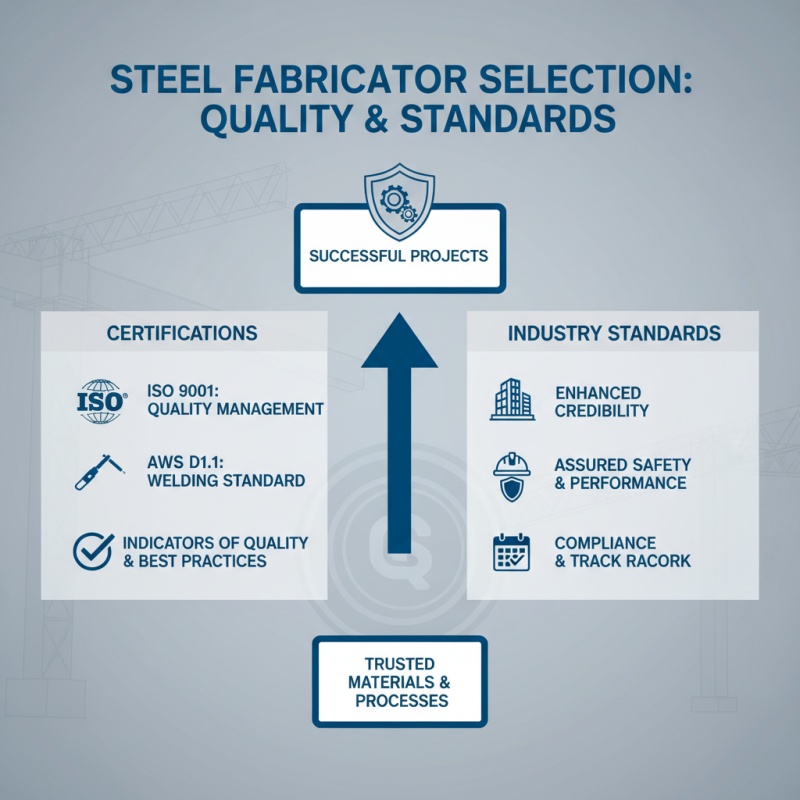
When selecting the right structural steel fabricator for your project, evaluating certifications and industry standards is crucial. Certifications, such as ISO 9001 or AWS D1.1, serve as indicators of a fabricator's commitment to quality and adherence to best practices. These standards not only enhance the credibility of the fabricator but also assure clients that the materials and processes used in production meet rigorous safety and performance criteria. It's essential to verify that the fabricator has up-to-date certifications and a consistent track record of compliance with industry norms.
In addition to certifications, understanding the industry's prevailing standards is vital in the fabrication process. The American Institute of Steel Construction (AISC) provides guidelines that ensure safety, efficiency, and structural integrity in steel construction. A fabricator that is AISC-certified demonstrates proficiency in sophisticated fabrication techniques and a commitment to quality control measures. By prioritizing these evaluations during your selection process, you can ensure that your project will be executed with precision and reliability, thereby reducing the risk of delays and unforeseen complications.
Comparing Costs and Quality: A Guide to Bidding and Estimates
When selecting structural steel fabricators, comparing costs and quality is paramount to ensuring the success of your project.
A thorough bidding process helps you gauge the financial aspects associated with each fabricator's services. While it may be tempting to choose the lowest bidder, it is crucial to consider what is included in their estimate. Evaluating the breakdown of costs—such as materials, labor, and delivery—can provide deeper insight into the true value of the bid.
It's important to obtain multiple quotes to identify the industry standard pricing while ensuring that you are comparing similar services and product specifications.
In addition to costs, assessing the quality of work is essential for long-term project success. Look for fabricators with a proven track record, positive references, and industry certifications.
Reviewing past projects and client testimonials can give you a clearer understanding of their workmanship and reliability. Engaging in discussions about their manufacturing processes, quality control measures, and ability to meet deadlines is also beneficial. Ultimately, a balanced approach that weighs both cost and quality will lead you to the most suitable structural steel fabricator for your needs, ensuring your project is completed efficiently and to a high standard.
Ensuring Timely Delivery: Importance of Lead Times in Fabrication Services
When undertaking construction projects that require structural steel, the importance of lead times in fabrication services cannot be overstated. According to a recent industry report by the American Institute of Steel Construction, timely delivery is not only crucial for maintaining project schedules but also plays a significant role in minimizing unexpected costs. Delays in steel fabrication can lead to a cascading effect on project timelines, creating unintended financial burdens for all stakeholders involved.
To ensure you partner with the right structural steel fabricators, it is essential to discuss lead times upfront. Many fabricators provide estimates based on their workload and also the complexity of the projects they handle. On average, lead times for structural steel fabrication can range from four to twelve weeks, depending on the size and specifications of the order. Understanding these timelines allows project managers to better coordinate schedules and reduce the risk of delays.
**Tips**: Always request a detailed production schedule from potential fabricators, which can help clarify expected lead times. Additionally, consider fabricators with a proven track record of meeting deadlines. Prioritizing those who have invested in technology and processes to enhance efficiency can significantly improve the reliability of delivery times. This proactive approach will contribute to a smoother overall construction process and help ensure that your project is completed on time and within budget.