How to Choose the Right Stainless Steel Tube Coil for Your Needs?
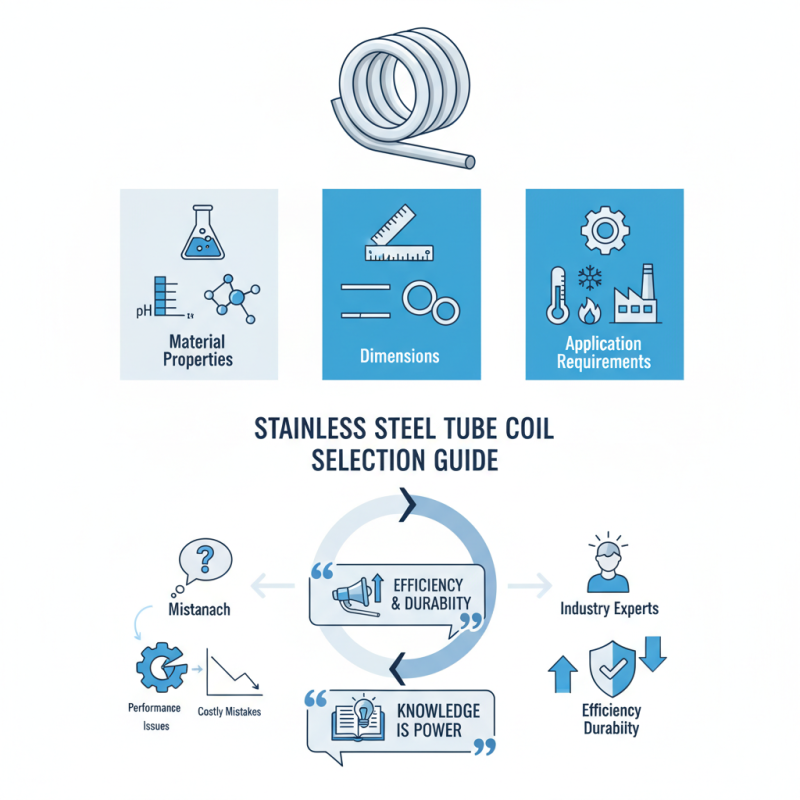
When selecting a Stainless Steel Tube Coil, understanding your specific needs is crucial. According to John Smith, a leading expert in metallurgical engineering, "The right coil can significantly impact efficiency and durability." Choosing the right coil involves factoring in material properties, dimensions, and application requirements.
Many users overlook the importance of these details. A mismatch can lead to performance issues. For instance, the wrong diameter or wall thickness may compromise a system's efficiency. Moreover, different stainless steel grades offer varying corrosion resistance, which directly affects longevity.
It’s essential to assess the application thoroughly. The environment and temperature conditions play a significant role. Ensuring you have the correct specifications helps prevent costly mistakes. As John Smith emphasizes, "Knowledge is power in selecting the right Stainless Steel Tube Coil." Engaging with industry experts can help guide this decision.
Understanding the Different Types of Stainless Steel Tube Coils Available
When selecting stainless steel tube coils, it’s essential to understand the various types available. Stainless steel comes in different grades, each with unique properties. Common grades include 304 and 316. Grade 304 is versatile and suitable for many applications. In contrast, grade 316 offers superior corrosion resistance, making it ideal for harsh environments.
It’s also important to consider the tube coil's dimensions. Diameter and wall thickness can significantly impact performance. Choosing the right size can influence flow rates and efficiency in your system. A smaller diameter coil may restrict flow, while a larger coil may not fit your design.
Tips: Always check for compatibility with your existing systems. Measure accurately before purchasing. Consider the environment in which the coil will be used. Harsh conditions often require specific grades to prevent failure. Think about your long-term needs, as initial costs can differ from long-term reliability and performance.
Be wary of cheaper options. They may not hold up under stress or exposure. Quality should always take precedence over cost. Reflect on your choice after installation. If issues arise, evaluate if the coil type was appropriate for your specific application.
Key Factors to Consider When Selecting a Stainless Steel Tube Coil
Choosing the right stainless steel tube coil involves several key factors. The first is the material grade. Stainless steel comes in various grades, including 304, 316, and 321. Each grade offers different corrosion resistance and strength levels. For example, 316 stainless steel is ideal for marine applications due to its superior resistance to saltwater. A recent industry report noted that 316 accounts for over 25% of stainless steel usage in plumbing and marine sectors.
Consider the coil diameter and wall thickness. The tube's dimensions impact flow rates and pressure resistance. Accurate measurements are crucial to ensure compatibility with existing systems. Reports indicate that using incorrect dimensions can lead to a 20% decrease in efficiency in fluid transfer applications. Always refer to industry standards when determining the right specifications.
Production method is another critical factor. Stainless steel coils are often manufactured through processes such as cold rolling or hot rolling. Each method affects the coil's properties differently. Cold-rolled coils generally provide better surface finish and tighter tolerances, whereas hot-rolled options are suitable for larger, bulk applications. It's essential to evaluate your specific needs based on the end-use environment and performance expectations.
Stainless Steel Tube Coil Selection Criteria
Assessing the Size and Dimensions for Your Specific Applications
When assessing stainless steel tube coils, size and dimensions play a vital role. The correct tube diameter and wall thickness can significantly impact performance. For instance, smaller diameters offer higher pressure capabilities but can restrict fluid flow. Conversely, larger tubes enhance flow yet may compromise structural integrity. It's crucial to match these specifications with your application, whether it's heating, cooling, or conveying substances.
Consider the length of the coil too. Longer coils may allow for more efficient heat exchange, but they can also increase installation complexity. If space is limited, a compact design might be more suitable. Remember that these choices reflect your operational needs and environment.
It's common to encounter mismatches in these dimensions during selection. Reflection on past experiences can guide better decision-making, ensuring that your chosen coil meets performance requirements effectively. The nuances of size and dimension are critical in optimizing function, so evaluate them thoroughly.
Evaluating Corrosion Resistance and Material Grades in Tube Coils
When evaluating corrosion resistance in stainless steel tube coils, it's crucial to consider the material grades. Different grades like 304 and 316 offer varying levels of protection against rust and deterioration. The choice of grade significantly affects performance in various environments. For instance, grade 316 contains molybdenum, providing superior resistance to chlorides and acidic components.
It’s essential to match the grade to your application's specific needs. Some operating environments are harsher than others, making corrosion-resistance critical. Mistakes in this choice can lead to premature failures and costly replacements. Thus, understanding the environment, such as temperature and chemical exposure, becomes vital.
Another factor includes the corrosion type that is most likely to occur. Pitting and crevice corrosion are common in certain settings. They can happen even with high-grade materials. Regular assessments and understanding of specific applications can minimize risks. Even seasoned professionals sometimes overlook these critical details, leading to unexpected challenges. Careful evaluation ensures durability and reliability in your projects.
Cost vs. Performance: Making an Informed Decision on Your Purchase
When selecting a stainless steel tube coil, balancing cost and performance is crucial. Different applications have distinct requirements. It's essential to consider the specific use case for your project. Some coils may be more affordable but offer lower durability. This can lead to increased maintenance expenses over time. Others may be pricier yet provide superior strength and longevity. Assessing your long-term needs will aid in making a judicious decision.
The specifications of the stainless steel tube coil play a significant role. Thickness, corrosion resistance, and temperature tolerance are vital factors. A less expensive coil might compromise on these aspects. You might save money initially, but you may need replacements sooner. This reality can complicate your project and inflate overall costs. Striking a balance between features and price is important for overall satisfaction.
Emphasizing reliability is key in this decision-making process. Seek materials that meet industry standards. This can help avoid potential issues down the line. Conducting thorough research on available options is wise. Engage with knowledgeable sources to ensure the information you receive is trustworthy. Crafting a well-informed strategy based on your needs can lead to better outcomes.
How to Choose the Right Stainless Steel Tube Coil for Your Needs?
| Feature | Cost Range ($/ft) | Performance Rating | Ideal Applications |
| Type 304 | $2.50 - $4.00 | Good | General Purpose |
| Type 316 | $3.50 - $5.50 | Excellent | Marine & Chemical |
| Type 321 | $4.00 - $6.50 | Very Good | High-Temperature |
| Duplex 2205 | $5.00 - $7.00 | Superior | Oil & Gas |
| Super Duplex 2507 | $7.00 - $10.00 | Outstanding | Severe Environments |





