How to Choose the Right Plate Flat Welding Flange for Your Needs?
Choosing the right Plate Flat Welding Flange is crucial for any welding project. The right flange ensures a secure and effective connection between pipes or equipment. With various types and materials available, making the right choice can be challenging.
Consideration of the application is key. Different projects require different specifications. For instance, corrosive environments demand specific materials. Understanding your requirements leads to better decisions. Manufacturers often provide detailed specs and guidelines, which can be helpful. However, not all information is straightforward.
Careful evaluation of each option is essential. Look for flanges that meet your pressure and temperature needs. Also, be aware of industry standards. Researching thoroughly can prevent costly mistakes. While expertise helps, it’s also important to reflect on past experiences. What worked? What didn’t? These insights can guide future choices effectively.
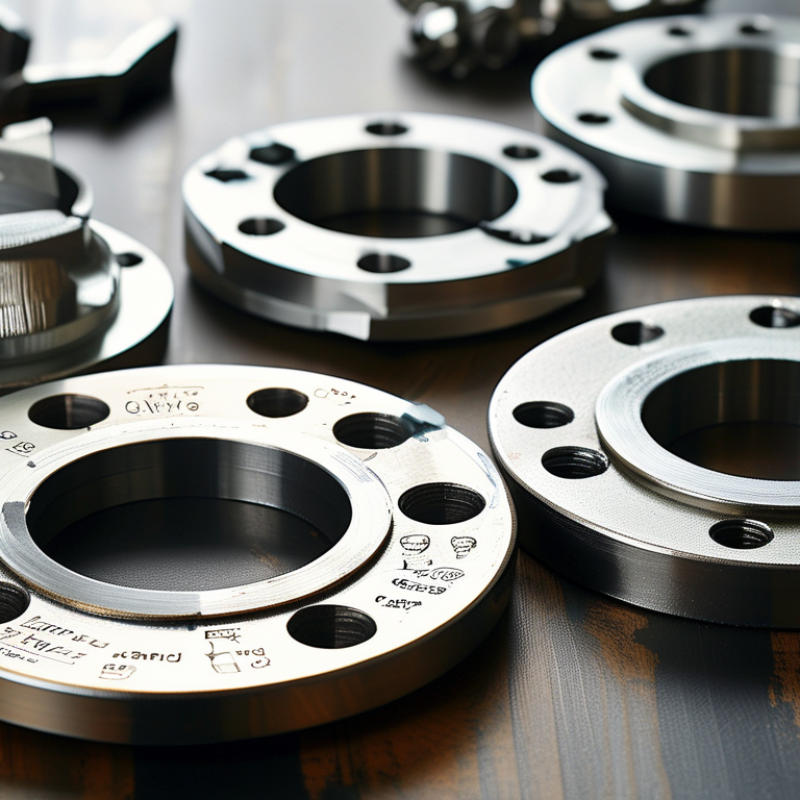
Understanding Plate Flat Welding Flanges: A Comprehensive Guide
When selecting a plate flat welding flange, understanding its components and specifications is crucial. These flanges are commonly employed in various industries, including oil and gas, where standards from the American Society of Mechanical Engineers (ASME) play a pivotal role. According to industry reports, 45% of pipeline failures arise from improper flange installation. This underscores the importance of choosing the right flange.
Material selection is critical. Common materials include stainless steel, carbon steel, and aluminum. Each has unique properties that impact performance and durability. For example, stainless steel is resistant to corrosion but is more expensive. When weight is a concern, aluminum might be the better choice, despite its lower tensile strength.
**Tips:** Always assess the working environment for temperature and pressure. Choosing a flange with the right pressure rating is vital. Consult the latest ASME guidelines to ensure compliance. Improper sizing can lead to leaks and failures.
Welding techniques also vary. The choice between TIG, MIG, or stick welding can influence the integrity of the joint. A poorly executed weld might not be visible until a failure occurs. This highlights the need for skilled labor and proper training in welding practices. Remember, not all flanges are created equal; some may fail under stress. Always double-check specifications and installation procedures.
Welding Flange Selection: Material Type vs. Application
Factors to Consider When Selecting a Plate Flat Welding Flange
When selecting a plate flat welding flange, several key factors demand attention. Understanding the material is crucial. Common options include carbon steel, stainless steel, and alloy materials. A report by the American Welding Society notes that carbon steel flanges typically bear higher loads than their stainless counterparts, which might corrode faster in harsh environments. Always ask about resistance to specific conditions.
Size and pressure rating also play significant roles. The American National Standards Institute (ANSI) outlines various pressure classes. For example, a flange rated Class 150 is suitable for low-pressure applications. In contrast, a Class 300 flange can withstand more extreme conditions. Misjudging these parameters may lead to failures, posing serious risks.
Installation methods are equally important. Some require more precise alignments than others. Choosing the wrong type may increase labor costs and extend project timelines. Moreover, the thickness of the flange can impact its performance. A thicker flange generally offers better support but may also increase weight. Balancing performance with project specifications is essential. Each choice must align with long-term goals and safety standards.
Materials Used in Plate Flat Welding Flanges and Their Impact
When selecting a plate flat welding flange, the material plays a pivotal role. Common materials include carbon steel, stainless steel, and alloy steel. Each has unique properties that significantly influence performance. For instance, stainless steel offers excellent resistance to corrosion, making it ideal for harsh environments. According to a recent industry report, 65% of professionals prefer stainless steel for underwater applications due to its durability.
However, the choice of material can have drawbacks. Carbon steel, while economical, lacks corrosion resistance and is prone to rust. Industry data shows that nearly 30% of failures in piping systems occur due to material degradation. Choosing the right flange material demands careful consideration of the operational environment and the medium being transported.
**Tips:** Always consult with industry standards like ASTM or ASME to ensure compliance. Consider the long-term costs of maintenance versus initial investment. Researching these aspects might save time and resources. Remember that the right flange can enhance system integrity and reliability.
How to Choose the Right Plate Flat Welding Flange for Your Needs? - Materials Used in Plate Flat Welding Flanges and Their Impact
| Material Type | Corrosion Resistance | Temperature Resistance | Cost | Common Applications |
| Carbon Steel | Low | Up to 400°C | Low | Structural Applications |
| Stainless Steel | High | Up to 800°C | Medium | Food Industry, Marine Applications |
| Alloy Steel | Medium | Up to 700°C | Medium | High-Strength Applications |
| Plastic (PVC/CPVC) | High | Up to 60°C | Low | Chemical Handling |
| Ductile Iron | Medium | Up to 400°C | Low | Pipelines, Waterworks |
Sizing and Dimensions: Finding the Right Fit for Your Project
When selecting a plate flat welding flange, sizing and dimensions are crucial for project success. According to industry reports, improper sizing can lead to leaks, compromising project integrity. Finding the right dimensions ensures a tight seal, minimizing the risk of future failures. Understand the specifications of your piping system before making any decision.
Tips: Use a caliper to measure the pipe’s outer diameter. This will help you choose a flange that fits perfectly. Comparing standards like ASME B16.5 or ASME B16.47 can help ensure compliance with industry sizes.
The thickness of the flange must align with the pressure ratings you expect. For instance, a 150 lb flange typically has less thickness than a 300 lb flange. A mismatch can lead to inadequate performance or even catastrophic failure. Ensure you consult relevant technical documents for precise information on ratings and dimensions.
Tips: Always re-evaluate your project's pressure and temperature requirements. Make adjustments based on real-time data and feedback. This approach not only enhances reliability but also boosts overall efficiency in your operations.
Common Applications and Industries Using Plate Flat Welding Flanges
Plate flat welding flanges are widely used across various industries. They offer a robust solution for connecting pipes, tanks, and vessels in demanding environments. Industries such as oil and gas, chemical manufacturing, and construction frequently utilize these fittings due to their ability to withstand high pressures and temperatures. According to a report by Grand View Research, the global flanges market is expected to reach USD 14.5 billion by 2025, driven by increased investments in infrastructure and industrial manufacturing.
In the oil and gas sector, plate flat welding flanges are critical. They ensure secure connections in pipelines that transport crude oil and natural gas. These flanges must meet strict safety and quality standards. The American Society of Mechanical Engineers (ASME) provides guidelines that are essential for compliance. Similarly, in chemical processing, flanges need to resist corrosive materials. Reports highlight that around 30% of corrosion-related failures in this industry stem from improper flange selection.
Construction projects also rely heavily on plate flat welding flanges. They are used for structural connections in buildings and bridges. Some studies indicate that improper flange designs can lead to structural failures. Engineers often reflect on previous projects to improve future designs. This iterative process highlights the importance of selecting the right flange for specific applications. Understanding materials, pressure ratings, and load requirements is crucial to ensure safety and longevity.





