2026 How to Choose the Right Oil Immersed Transformer?
Choosing the right Oil-Immersed Transformer is a critical task for many engineers and facility managers. These transformers play a vital role in power distribution. They ensure safety, efficiency, and reliability in electrical systems. Understanding their specifications is key to making informed choices.
When selecting an Oil-Immersed Transformer, it's essential to consider several factors. The application type, voltage requirements, and load characteristics all influence the decision. Moreover, the environmental conditions can affect performance and longevity. Each factor can lead to different operational risks that need careful evaluation.
Despite the advancements in transformer technology, issues can arise. Compatibility with existing systems may not be straightforward. Additionally, maintenance requirements can vary significantly. Finding the right balance between quality, performance, and cost is often a challenge. Ultimately, a well-informed choice can lead to enhanced efficiency and reduced operational risks.
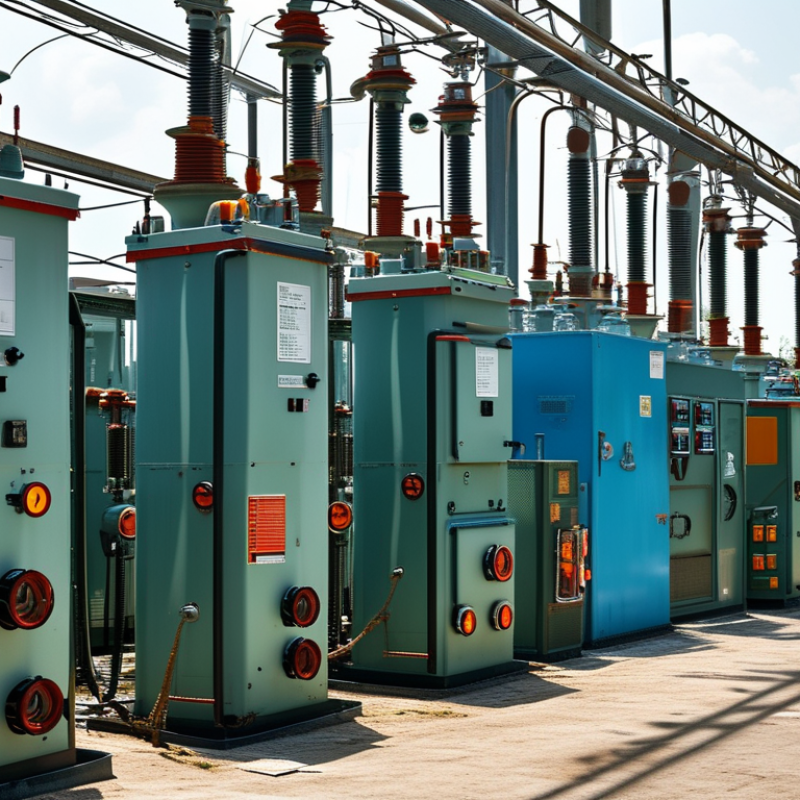
Factors to Consider When Selecting an Oil Immersed Transformer
When selecting an oil immersed transformer, several factors are crucial. The transformer's capacity is paramount. Match it to the expected load. A unit that’s too small can fail. If it's oversized, costs increase unnecessarily.
Consider the insulation levels as well. Different environments require different specifications. High moisture locations need better insulation. Factoring in temperature variations is essential too. Extreme highs or lows can affect performance.
Tips: Always check energy efficiency ratings. This will impact long-term operational costs. Maintenance requirements shouldn't be overlooked either. Regular checks extend the life of your transformer.
Don't forget about safety features as well. They are essential for reliable operation. Sometimes, they may increase initial costs but save money in emergencies. Balancing these aspects can be challenging. Careful analysis is needed for a wise choice.
Factors to Consider When Selecting an Oil Immersed Transformer
Understanding the Different Types of Oil Immersed Transformers
When selecting an oil immersed transformer, understanding the types is crucial. There are three main categories: core-type, shell-type, and berry-type transformers. Core-type transformers have a magnetic core that supports the winding. This structure allows for efficient energy transfer and better thermal management. Shell-type transformers offer enhanced protection and efficiency, with windings enclosed by a magnetic core. Berry-type transformers, though less common, suit specific applications and provide unique benefits.
Each type has its advantages and potential drawbacks. Core-type transformers might be more prone to overheating in heavy-duty situations. Shell-type models, while robust, can be bulkier and heavier. Consider your specific application: voltage, capacity, and environmental factors. It's essential to reflect on your needs before deciding. Mistakes here can lead to inefficiencies or operational failures. So, weigh the pros and cons carefully. Collecting expert advice can provide valuable insights and help avoid common pitfalls. Your transformer choice should align with both technical specifications and long-term operational goals.
2026 How to Choose the Right Oil Immersed Transformer?
| Transformer Type | Voltage Rating (kV) | Power Rating (MVA) | Application | Cooling Type |
| Single-phase Transformer | 10 - 35 kV | 1 - 10 MVA | Residential & Small Industries | ONAN |
| Three-phase Transformer | 10 - 220 kV | 5 - 100 MVA | Industrial Plants & Utilities | ONAN/OIL-OL |
| Auto Transformer | 10 - 50 kV | 1 - 30 MVA | Voltage Regulation & Reduction | ONAN |
| Isolation Transformer | 1 - 15 kV | 1 - 5 MVA | Sensitive Equipment | ONAN |
Key Specifications and Ratings for Oil Immersed Transformers
When selecting an oil immersed transformer, understanding key specifications and ratings is crucial. These specifications determine performance and suitability for specific applications. Ratings such as voltage, capacity, and frequency play primary roles. According to recent industry reports, a transformer's efficiency can drop to 95% or lower if improperly matched to system requirements.
Another significant specification is the insulation class. Transformers with a higher insulation class can operate at elevated temperatures, enhancing their lifespan. For instance, an insulation class of 220°C may extend the transformer's lifespan by 20% compared to a 155°C class. However, higher ratings often come with increased costs, which can strain budgets.
Furthermore, attention should be paid to the transformer's impedance. Transformers with lower impedance can offer better short-circuit protection but may demand higher fault current ratings. Surprisingly, many facilities overlook this factor, risking equipment damage during faults. Regular inspections and testing are vital, but they are sometimes neglected due to budget constraints or scheduling conflicts. Understanding these specifications can lead to more informed decisions and better long-term performance.
Maintenance Requirements for Oil Immersed Transformers
Oil immersed transformers are vital in electrical systems. Regular maintenance ensures they perform efficiently and safely. These transformers are filled with oil for insulation and cooling. Over time, however, their oil can degrade, leading to potential failures. It’s essential to conduct routine checks to prevent issues that could disrupt power supply.
Tips for maintenance include monitoring oil levels regularly. Low oil levels can indicate leaks, which need immediate attention. Conducting regular temperature checks is crucial too. Excessive heat can point to internal problems. Inspect transformer connections frequently; loose connections can result in overheating.
Another area to focus on is the oil quality. Regular testing of the oil helps assess its condition. Look for signs of water contamination or particle build-up. Both can decrease the transformer's efficiency. If tests show deterioration, change the oil without delay. Neglecting these maintenance aspects can lead to expensive repairs or replacements.
Common Applications of Oil Immersed Transformers in Industries
Oil immersed transformers are vital in various industries, serving multiple applications. They are often used in power generation and distribution. Their ability to handle large power loads makes them a preferred choice. These transformers can efficiently transmit electricity over long distances. This is essential for industries relying on a stable power supply.
In manufacturing, oil immersed transformers play a crucial role. They power heavy machinery and equipment, ensuring smooth operations. The oil acts as an insulator and coolant, enhancing the transformer's performance. Additionally, in renewable energy, they support wind and solar power plants. The reliability of these transformers is crucial in maintaining grid stability, which is a growing concern.
Despite their advantages, issues can arise. For instance, leaks may occur, leading to environmental risks. Regular maintenance is necessary to avoid such problems. Understanding the unique demands of your operation is essential. Choosing the right oil immersed transformer requires careful consideration. Each application has specific requirements, and what works for one may not suit another. Balancing efficiency with reliability is key for optimal performance.





