How to Choose the Right Machine Tool Castings for Your Needs?
Choosing the right Machine Tool Castings for your operations can significantly influence productivity and quality. The landscape of manufacturing is complex, and the casting you select can determine machine efficiency and lifespan.
Machine Tool Castings come in various materials, sizes, and specifications. Understanding your specific needs is crucial. Factors include the type of machine, the materials you are working with, and the operational conditions. Without clear criteria, you may overcommit to costly options or settle for subpar solutions.
Engaging with suppliers who specialize in Machine Tool Castings can provide insights. Their experience can guide you through the nuances of different castings. However, not all suppliers offer the same level of expertise. Conduct thorough research and ask for case studies or examples of previous work. Recognizing these details can help avoid mistakes in your selection process. Prioritizing your requirements can result in better outcomes, but it also demands careful consideration.
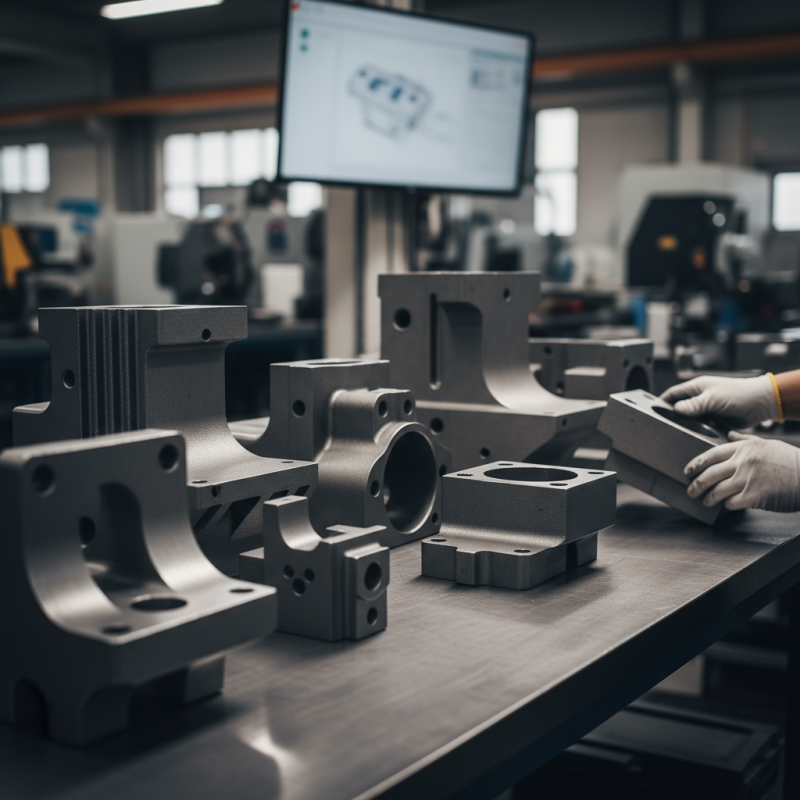
Understanding the Importance of Machine Tool Castings in Manufacturing
Machine tool castings play a crucial role in the manufacturing sector. They act as the backbone for various machine tools. A recent industry report by IBISWorld highlights that the global machine tool market reached approximately $87 billion in 2022. This growth emphasizes the need for quality castings that ensure precision and durability. Ineffective castings can lead to inefficiencies, threatening production timelines and budget constraints.
Material selection is vital for optimal performance. Cast iron and steel are common choices, each offering distinct benefits. For instance, gray cast iron excels in damping vibrations, making it suitable for high-speed operations. According to the American Foundry Society, nearly 65% of machine tools utilize cast iron in their construction. However, not all manufacturers fully understand the importance of alloying options. A poor decision can affect product lifespan and effectiveness.
Addressing casting defects is equally imperative. Flaws in the casting process can significantly diminish functionality. Expert insights suggest that about 15% of castings may have defects that impact quality. Regular quality control measures and understanding the nuances of each material ensure optimal results. The conversation around machine tool castings must continually evolve to adapt to industry needs. This ongoing dialogue is essential for companies aiming to refine manufacturing processes and enhance product offerings.
Key Factors to Consider When Choosing Machine Tool Castings
Choosing the right machine tool castings is crucial for optimal performance. Several key factors can influence your decision. Material is one of the primary considerations. Different applications require specific materials. For instance, cast iron or steel might work well for certain tools, while aluminum or composite materials could be better for others.
Tips: Measure the requirements of your tools accurately. Consider strength, weight, and heat resistance. Sometimes, lighter materials can lead to easier handling but may compromise durability.
Another important factor is the design complexity. Complex geometries may require more advanced casting techniques. This can increase costs and manufacturing time. It’s essential to strike a balance between functionality and budget constraints.
Tips: Analyze the design needs carefully. Sometimes, simplifying the design can lead to lower costs without significantly affecting the tool’s performance.
Lastly, supplier expertise matters greatly. An experienced supplier can provide insights into the best materials and processes. Look for suppliers with a solid track record. Mistakes in casting can take time to rectify and can affect overall work quality. Trust is vital when selecting a partner for your needs.
How to Choose the Right Machine Tool Castings for Your Needs? - Key Factors to Consider When Choosing Machine Tool Castings
| Factor | Description | Importance | Example Materials |
| Material Composition | The type of metal used in castings affects strength and durability. | High | Gray Iron, Ductile Iron |
| Casting Process | Methods such as sand casting or investment casting impact quality. | Medium | Sand Casting, Die Casting |
| Dimensional Tolerance | Precision of the casting dimensions in relation to specifications. | High | Close Tolerance Castings |
| Surface Finish | The smoothness of the casting surface can affect functionality. | Medium | Machined Finishes |
| Production Volume | The number of units required can dictate the best casting method. | High | Low, Medium, High Volume Batches |
| Cost | Overall cost influences the selection of materials and processes. | High | Budget-Based Materials |
Different Types of Machine Tool Castings and Their Applications
When selecting machine tool castings, understanding the various types and their applications is crucial. Gray iron castings are widely used due to their excellent machinability and wear resistance. They are commonly found in engine blocks and machine frames. Statistics indicate that gray iron represents over 70% of the total casting market. Its balanced properties make it a staple in various industries.
Ductile iron is another popular choice. With higher tensile strength than gray iron, it offers greater durability for applications that require extra toughness. Roughly 10% of the metal casting market uses ductile iron, especially in gears and structural components. This versatility becomes vital when performance demands escalate.
Aluminum castings are gaining traction due to their lightweight and corrosion resistance. They are preferred for applications in aerospace and automotive sectors, where weight reduction is essential. Reports show a rising trend in aluminum casting, with a projected growth rate of 5% per year in the next five years. However, the challenge lies in ensuring casting integrity, as defects can lead to significant failures.
Understanding these castings, along with their strengths and weaknesses, is essential when selecting the right option for specific needs.
Machine Tool Castings: Types and Applications
Evaluating Quality and Performance Standards for Castings
When selecting machine tool castings, evaluating quality and performance standards is crucial. High-quality castings are essential for ensuring durability and efficiency in manufacturing processes. Look for castings made from reliable materials, as they greatly influence the overall performance. Pay attention to the casting process, as the choice between sand casting and investment casting can impact precision.
Tips: Check for certifications related to quality standards. These can indicate the manufacturer's adherence to industry benchmarks. A thorough audit of the supplier's processes can also reveal potential issues. Remember, not all castings are created equal.
Another aspect to consider is the testing methods employed. Compliance with industry testing standards helps ensure that the castings meet specific performance criteria. It’s a good idea to request documentation or samples to assess these qualities firsthand.
Tips: Don’t hesitate to seek references from previous customers. Their insights can provide valuable information about reliability. Trust your instincts; if something feels off, it’s worth revisiting your options. Evaluating castings from different suppliers can highlight subtle differences that matter.
Cost Considerations and Budgeting for Machine Tool Castings
When considering budget for machine tool castings, it's essential to assess the total cost of ownership. This goes beyond just the initial purchase price. Maintenance and replacement parts also contribute significantly to ongoing expenses. A lower upfront cost might lead to higher long-term costs if the tool wears out quickly or requires frequent repairs.
Tips: Think about the lifespan of the castings. Cheaper materials might save money now, but could lead to higher expenses in the future. Evaluate warranties and service agreements as well. A reliable tool should ideally come with strong post-sale support.
Quality often correlates with price. Investing a bit more initially can ensure better accuracy and durability. Researching different materials and their properties can pay off. Sometimes, compromising on quality for lower costs leads to frustrations. It’s crucial to reflect on past experiences before making decisions.
Tips: Always compare multiple suppliers. Don’t just focus on price, but also on quality assurance. Create a detailed budget that includes all potential expenses associated with machine tool castings. A clear budget helps guide decisions while providing room for necessary adjustments.





