How to Choose the Right LPG Storage Tank for Your Needs?
Choosing the right LPG Storage Tank is crucial for safety and efficiency. Industry expert John Smith once stated, “Proper storage is key to maximizing LPG use.” His words ring true in an age where energy choices matter significantly.
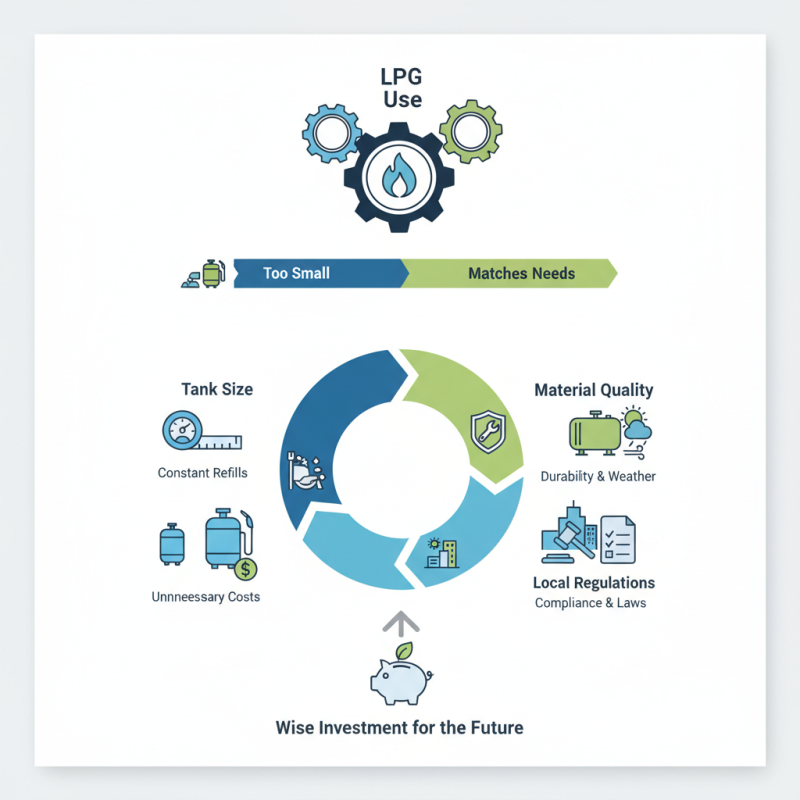
When selecting an LPG Storage Tank, several factors come into play. The size of the tank must match your usage needs. Too small means constant refills. Too large may lead to unnecessary costs. Additionally, material quality affects durability. A robust tank can withstand harsh weather and environmental conditions.
Furthermore, local regulations may impose restrictions. Understanding these laws is critical. You don’t want to invest in a tank only to be hindered by compliance issues later on. Carefully evaluating these aspects will ensure that the chosen LPG Storage Tank is not just a purchase, but a wise investment for the future.
Types of LPG Storage Tanks Available in the Market
When selecting an LPG storage tank, understanding the types available is crucial. The market offers several options. There are above-ground tanks and underground tanks. Above-ground tanks are easy to access for maintenance. They can be used in a variety of settings, including residential and commercial spaces. According to industry reports, above-ground tanks generally range from 120 gallons to over 30,000 gallons.
Underground tanks, on the other hand, are often used for larger storage needs. They require site preparation but can save space. These tanks have a longer life expectancy due to reduced exposure to weathering. The U.S. Department of Energy reported that underground tanks are less susceptible to corrosion.
Tip: Assess your space before choosing a tank. Check local regulations regarding tank installations. It’s essential to ensure safety and compliance.
Another option is portable tanks. These are useful for temporary or mobile applications. They typically hold less gas but can be easily moved. As per recent market studies, portable tanks are gaining popularity for their flexibility.
Tip: Calculate your usage needs beforehand. This will guide you in selecting the right type and size. Remember, the right choice can significantly impact efficiency and safety. Consider all factors carefully.
Types of LPG Storage Tanks Available in the Market
Factors to Consider When Selecting an LPG Storage Tank
Choosing the right LPG storage tank involves several important factors. Think about the capacity you need. Your consumption rates will dictate this. A tank that is too small will lead to frequent refills. On the other hand, a tank that is too large might take up unnecessary space. Consider your location as well. If you live in a remote area, a larger tank may make sense to limit transportation needs.
Material is another aspect to reflect on. Tanks can be made of steel or fiberglass. Steel tanks are sturdy but may corrode over time. Fiberglass options resist corrosion but can be more expensive. Check your budget. Sometimes, the cheaper option may not be the best long-term investment.
Lastly, think about safety features. Ensure the tank meets all safety standards. Look for features like pressure relief valves and proper venting systems. These can prevent dangerous build-ups or leaks. It’s also wise to review your local regulations. They can vary, and being unaware might lead to unwanted issues.
How to Choose the Right LPG Storage Tank for Your Needs?
| Factor | Description | Considerations |
| Capacity | Volume of LPG the tank can hold | Determine the amount of LPG needed based on usage |
| Material | Type of material used in tank construction | Choose between steel and fiberglass based on durability and cost |
| Location | Placement of the tank on-site | Ensure accessibility and compliance with local regulations |
| Safety Features | In-built safety mechanisms in the tank | Look for features like pressure relief valves and leak detection systems |
| Regulatory Compliance | Adherence to local and national safety regulations | Verify that the tank meets all required standards |
| Cost | Total expenses involved in purchasing and installing the tank | Consider long-term savings versus up-front costs |
Understanding Capacity and Sizing Requirements for LPG Tanks
When choosing an LPG storage tank, understanding capacity and sizing is crucial. The right tank size depends on your specific needs. Consider usage patterns. Do you use LPG daily, or just occasionally? A larger tank may be more economical if you rely on LPG regularly. However, a smaller tank is sufficient for sporadic use.
Evaluate your space. Where will the tank be located? Ensure there is enough room for installation and maintenance. Think about safety regulations. Ventilation and clearance from buildings or structures matter. If the tank is too close to a wall, it may become problematic.
It's vital to be aware of the local climate, as this can affect tank performance. A tank in a colder region might need extra insulation. Conversely, high temperatures could require a different approach. Reflect on your initial choice after installation. Did it fit your expectations? Regular reviews can lead to better decisions in future upgrades.
Regulatory and Safety Standards for LPG Storage Tanks
When selecting the right LPG storage tank, compliance with regulatory and safety standards is crucial. These standards ensure safe storage and handling of LPG. Local and national regulations can vary significantly. It's essential to consult authorities or experts in your area for specific guidelines.
Safety features must also meet prescribed standards. Tanks should be constructed from durable materials that resist corrosion. Ventilation is vital to prevent gas accumulation. Leak detection systems provide early warnings for potential hazards. Some regulations require secondary containment systems to manage spills effectively.
Additionally, periodic inspections and maintenance are often mandated to ensure tanks remain safe and functional. Ignoring these could lead to serious consequences. Understanding these requirements may seem overwhelming, but it is a necessary step. It can be easy to overlook small details, yet these can be pivotal in preventing accidents. Striking a balance between compliance and practicality is essential for any LPG storage solution.
Maintenance and Inspection Practices for LPG Storage Tanks
Maintaining LPG storage tanks requires regular inspections and good practices. According to a 2022 industry report, over 30% of tank failures stem from inadequate maintenance. Inspectors should check for rust, leaks, and physical damages regularly. A corrosion prevention plan is essential. Ensuring the tank's exterior is painted can ward off rust.
Inspection protocols typically include checking valves and fittings for tightness. Many experts recommend visual inspections every month. More detailed checks should occur every six months. Technology like ultrasonic thickness measurements can help detect weak points. A study notes that proper maintenance can extend tank life by up to 40%.
Documentation is critical. Keeping records of maintenance activities helps in audits and safety assessments. However, many facilities fail to document thoroughly. This gap can lead to compliance issues. Staff training can also be overlooked. Understanding the importance of regular inspections is vital. Improvement is often needed in safety training programs. Without these measures, the risk increases significantly.