How to Choose the Right Low Temperature Rise Capacitor?
Choosing the right Low Temperature Rise Capacitor is crucial for effective power management in various applications. According to a report by MarketsandMarkets, the capacitor market is projected to reach $87.2 billion by 2027, growing at a CAGR of 5.6%. This growth underscores the significance of selecting capacitors that perform efficiently under specific conditions, particularly temperature.
Low Temperature Rise Capacitors minimize heat generation during operation, enhancing reliability and extending lifespan. Many experts recommend capacitors with a lower Equivalent Series Resistance (ESR) for this purpose. A study by the Electric Power Research Institute shows that capacitors with a lower ESR can reduce overheating by 30%, a crucial factor for high-performance electronic systems.
However, not all capacitors are equal. The industry faces challenges in standardizing temperature ratings. Some manufacturers may exaggerate performance metrics, leading to potential reliability issues. It is essential to consider actual performance data and independent reviews when making your choice. Relying solely on specifications may lead to oversights. Exploring user feedback and expert reviews can provide a clearer picture of real-world performance for Low Temperature Rise Capacitors.
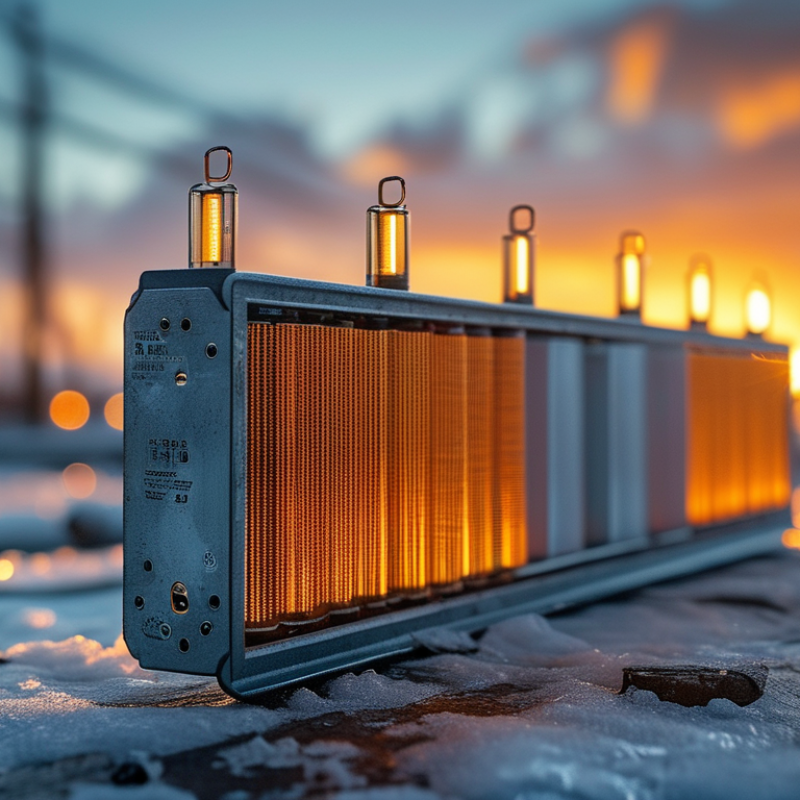
Factors to Consider When Selecting Low Temperature Rise Capacitors
Selecting the appropriate low temperature rise capacitor involves several key factors to consider. One prominent aspect is the capacitor's rated voltage. Capacitors must effectively handle voltage surges without overheating. Data from industry reports indicate that capacitors with a voltage rating of 400V or higher are often preferred in high-stress environments, enhancing reliability.
Another critical factor is capacitance value. Capacitors with lower capacitance values tend to exhibit less heat generation under load. Research has shown that capacitors operating at capacitance values between 1μF and 10μF provide an optimal balance for energy efficiency. However, this range may vary based on specific application requirements, highlighting the importance of assessing individual system needs.
Temperature coefficient is also essential when choosing capacitors. Different materials exhibit unique temperature behavior, affecting efficiency. Capacitors with a negative temperature coefficient often perform better under high temperatures, though they can sometimes lead to reduced reliability. Analysis of various capacitor types suggests that careful evaluation of these attributes can lead to improved performance and longevity. Manufacturers may sometimes overlook these details, leading to less than optimal choices that result in premature failure.
Understanding Different Types of Low Temperature Rise Capacitors
When selecting low temperature rise capacitors, understanding the different types available is essential. These components are critical for various applications, including power electronics and energy conversion systems. Two common types are film capacitors and ceramic capacitors. Film capacitors are known for their stability and low losses, making them ideal for long-term applications. Ceramic capacitors, on the other hand, are compact and have a high capacitance-to-volume ratio.
Each type has unique properties. For instance, ceramic capacitors can sometimes exhibit capacitance variations due to temperature and voltage. This may require careful consideration in sensitive circuits. Conversely, film capacitors generally perform well over time but can be bulkier. Their larger size might pose challenges in tight spaces, demanding reflections on design requirements.
Evaluating factors such as voltage rating, temperature tolerance, and size is crucial. The right choice often depends on specific application needs. Sometimes, compromise may be necessary between size and performance. This process can evoke uncertainty, especially for novice engineers. However, gathering information and consulting with experts can clarify the best path forward.
Importance of Voltage and Capacitance Ratings
Choosing the right low temperature rise capacitor requires a careful analysis of voltage and capacitance ratings. Voltage rating indicates the maximum voltage the capacitor can handle without failure. Industry standards recommend selecting capacitors that exceed the expected voltage by at least 20%. In real applications, issues can arise if under-rated capacitors are used, potentially leading to overheating or failure.
Capacitance rating is equally vital. It determines the capacitor’s ability to store and release energy. Capacitors should meet the specific capacitance requirements of your application. For instance, in power supply circuits, typical capacitance values range from microfarads to millifarads. Insufficient capacitance can result in fluctuations in performance, which can be detrimental.
A recent report by the Capacitor Industry Council highlights that at least 15% of failures in electronic devices are due to improper capacitor selection. Reliability studies suggest that improper rating choices can yield catastrophic results. Therefore, understanding voltage and capacitance ensures that devices operate efficiently within their specified temperature range.
Capacitor Voltage and Capacitance Ratings
This chart illustrates the voltage and capacitance ratings of low temperature rise capacitors. It is important to select capacitors that match the specified voltage and capacitance requirements to ensure optimal performance and reliability in applications.
Evaluating Temperature Tolerance and Reliability
When selecting a low temperature rise capacitor, temperature tolerance and reliability are crucial factors. According to a report by the Capacitor Technology Institute, capacitors that operate within a temperature range of -40°C to 85°C show a failure rate of just 0.1% at 85°C. This statistic underscores the importance of reliable thermal performance in your applications.
Evaluating temperature tolerance requires an understanding of thermal cycling. Testing under extreme conditions can reveal how capacitors behave when subjected to rapid temperature changes. A study cited in the Journal of Electronics Reliability indicates that capacitors endure a 25% increase in failure rates with every 10°C rise in temperature beyond their rated limit. This finding emphasizes the need for careful consideration when selecting components.
In real-world applications, user feedback often highlights issues with capacitor longevity and performance. Some users have reported that even minor thermal fluctuations can reduce lifespan significantly. While industry standards offer guidelines, variability in manufacturing practices can lead to unexpected failures. Therefore, it's vital to not only rely on specifications but also to engage in thorough testing and validation.
Application-Specific Requirements for Low Temperature Rise Capacitors
When selecting the right low temperature rise capacitor, understanding application-specific requirements is crucial. Different applications have unique demands. For instance, in power electronics, capacitors must handle high ripple currents while maintaining thermal stability. This means careful consideration of the operating environment is necessary. Capacitors used in automotive applications might need to withstand harsh temperatures and vibrations.
Another important factor is the physical size of the capacitor. Space-constrained designs often require compact solutions without compromising performance. Smaller capacitors may reduce heat dissipation but might not support high capacitance values. This creates a dilemma - how to balance size and efficiency. Additionally, understanding the dielectric material can enhance performance. Each dielectric has different temperature characteristics.
Choosing the right capacitor also involves evaluating longevity. Components must endure long operational hours without significant degradation. Reliability is key, especially in critical applications such as medical devices. Regular performance testing can identify early signs of failure. Experience in your field helps refine these choices. However, every project presents its own set of challenges and learning opportunities. Consider these factors carefully to make informed decisions.





