How to Choose the Right Industrial Warm Air Blower for Your Needs?
Choosing the right Industrial Warm Air Blower can significantly impact operational efficiency. In today's industrial landscape, the global market for industrial blowers is projected to reach USD 12 billion by 2025, with a CAGR of 5.6%. This growth highlights the increasing importance of selecting appropriate equipment for various applications.
When considering an Industrial Warm Air Blower, several factors come into play. You need to assess your heating requirements, airflow needs, and energy consumption. For instance, blowers with higher energy efficiency not only reduce operational costs but also minimize environmental impact. It's essential to evaluate both the short-term and long-term costs associated with your choice.
However, choosing the right model can be challenging due to the overwhelming options available. Brands differ in performance and reliability, making it crucial to seek detailed specifications. Moreover, user reviews and professional recommendations can provide valuable insights. Reflecting on these elements will guide you to a more informed decision.
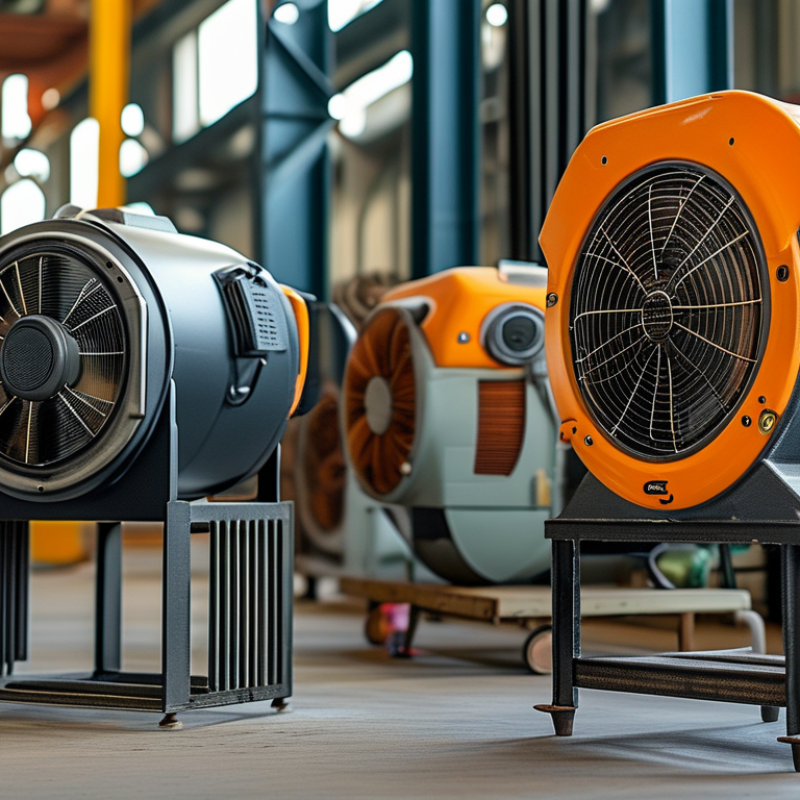
Understanding the Different Types of Industrial Warm Air Blowers
Choosing the right industrial warm air blower is crucial for various applications. Understanding the different types available is essential for making an informed decision. There are primarily two categories: electric and gas-powered blowers. Electric warm air blowers are known for their efficiency and lower maintenance costs. They offer precise temperature controls, ideal for delicate tasks.
Gas-powered units, on the other hand, tend to produce more heat and are best suited for larger spaces. According to a recent industry report, over 70% of customers prefer electric models due to their eco-friendliness and low noise levels. However, gas-powered versions can deliver higher output when needed.
Tips: Consider energy efficiency ratings. They can save costs long-term. Evaluate the specific heating needs of your space. It’s also vital to assess airflow rates. Insufficient airflow can lead to poor heating performance. Engaging with manufacturer data or user reviews may reveal important insights.
Keep in mind that the selection process may involve trial and error. Some users might find certain models too loud or cumbersome. Others might overlook the importance of portability, impacting usability. Being well-informed can guide you in avoiding common pitfalls.
Key Factors to Consider When Choosing an Industrial Warm Air Blower
When selecting an industrial warm air blower, several key factors come into play. Assess the airflow capacity required for your specific application. A unit with insufficient airflow will underperform and lead to inefficiencies. Determine the area size that needs heating. Larger spaces may require a more powerful blower.
Consider the energy efficiency ratings of different models. Efficient blowers can significantly reduce operational costs over time. Look for features like adjustable thermostats and fan speeds. These can provide better control over heating, making the device more adaptable to various conditions.
Think about the durability of the blower. Industrial environments can be harsh. Choose models made from robust materials that can withstand tough conditions. Maintenance requirements are also crucial. Some blowers may require more upkeep than others. A device that’s easy to clean or service may save you time and frustration later. Balancing these factors will lead to a more satisfactory purchase. Evaluate your specific needs and conditions carefully.
Assessing the Heating Capacity and Power Requirements
When selecting an industrial warm air blower, understanding heating capacity and power requirements is crucial. Assess your specific heating needs first. Determine the area or volume that requires heating. Different applications demand varying heat outputs. An effective blower should match your space's requirements for efficient operation.
Tips: Consider how insulation affects your heating needs. A well-insulated space may require less power. Be aware of ambient temperature. If the surrounding area is very cold, more power will be needed.
Power requirements also play a significant role. Evaluate the electrical system available at your site. Insufficient power can lead to inefficiency. It's vital to choose a unit that operates smoothly within your system’s parameters. Overloading can lead to equipment failure or safety hazards.
Tips: Look at the blower's voltage and amperage ratings. Ensure they align with your electrical infrastructure. Regularly check for any discrepancies between expected and actual performance. Reflect on your past experiences with heating equipment to inform your choice. This awareness can prevent future issues.
Heating Capacity and Power Requirements of Industrial Warm Air Blowers
Evaluating Energy Efficiency and Operating Costs
Evaluating energy efficiency in industrial warm air blowers is crucial for minimizing operating costs. According to a report by the U.S. Department of Energy, energy consumption accounts for a significant portion of total operating costs. In many cases, industrial blowers can consume more than 50% of a facility's overall energy usage. This highlights the importance of selecting an energy-efficient model.
Understanding the blower's efficiency rating is essential. Many systems are rated by their airflow efficiency, which indicates how much heat is delivered for each watt used. A high-efficiency system can save companies between 15% and 30% in energy expenses over less efficient models. Look for technologies such as variable speed drives, which can further enhance efficiency by adjusting airflow as needed.
It's also vital to consider operational costs beyond energy consumption. Maintenance is a key factor affecting longevity and performance. Regular inspections can reveal inefficiencies and extend the blower's life. The average maintenance cost can reach up to 20% of total energy costs if not managed properly. Making informed choices in both energy efficiency and maintenance strategy can lead to considerable long-term savings.
How to Choose the Right Industrial Warm Air Blower for Your Needs? - Evaluating Energy Efficiency and Operating Costs
| Model | Airflow (CFM) | Power (kW) | Heating Capacity (BTU/hr) | Energy Efficiency Rating | Estimated Annual Operating Cost ($) |
| Model A | 1500 | 3 | 120,000 | 90% | 150 |
| Model B | 2000 | 4 | 160,000 | 92% | 200 |
| Model C | 1800 | 5 | 150,000 | 88% | 250 |
| Model D | 2200 | 6 | 200,000 | 89% | 300 |
Identifying Safety Features and Compliance Standards
When selecting an industrial warm air blower, safety features are paramount. The American National Standards Institute (ANSI) suggests a thorough review of safety certifications. Ensuring that equipment meets compliance standards, like those from Underwriters Laboratories (UL), is crucial. Approximately 40% of workplace incidents relate to inadequate safety measures. Thus, investing in compliant blowers adds a layer of security.
Consider features like thermal overload protection. This prevents overheating, which can lead to fires. Data indicates that equipment fires account for 20% of industrial accidents. Additionally, look for blowers equipped with power cut-off switches. These features allow for immediate shutdown during emergencies, enhancing user safety.
Noise levels also merit attention. Regulation standards recommend noise levels not exceeding 85 decibels to protect hearing. However, many blowers exceed this, potentially harming personnel. Regular audits and assessments can evaluate compliance with safety standards and noise regulations. Reflecting on these aspects can prevent future issues and improve overall workplace safety.





