How to Choose the Right Industrial Automatic Transfer Switch?
Choosing the right Industrial Automatic Transfer Switch (ATS) is crucial for any business relying on constant power. This decision can impact equipment performance and safety. An appropriately selected ATS ensures seamless power switching during outages. Ignoring this can lead to costly downtime.
Understanding the various features and specifications of an Industrial Automatic Transfer Switch is essential. Not all switches are created equal; they differ in capacity, speed, and functionality. Evaluating your specific power needs is vital. An inadequate ATS can compromise operations, while an oversized one may incur unnecessary expenses.
Additionally, consider the manufacturer’s reputation. Choose products from trusted brands with proven reliability. Quality of the switch impacts longevity and effectiveness. While it may be tempting to opt for lower-priced options, this can be a false economy. Seek expert advice, if necessary, to ensure that you make an informed decision.
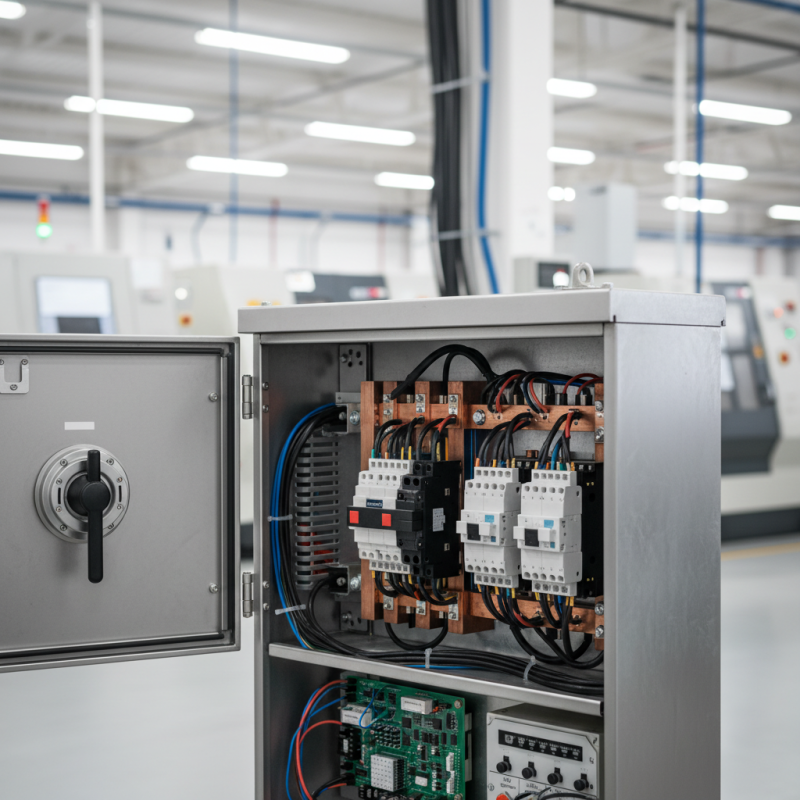
Understanding the Basics of Industrial Automatic Transfer Switches
Industrial automatic transfer switches (ATS) play a crucial role in maintaining power supply continuity. They automatically switch to a backup power source during outages. This is essential for various sectors, from healthcare to manufacturing, where every second of downtime can lead to significant losses. According to a report by the International Energy Agency, around 80% of industrial facilities rely on ATS systems for emergency power.
When choosing an ATS, understanding its components is vital. The switch comprises sensors, control systems, and relay mechanisms. These elements work in tandem to ensure swift operation. It's important to assess factors like load rating, operational voltage, and transfer time. Each application may have unique requirements that necessitate tailored solutions. Finding the right configuration can sometimes require expert input, as even small oversights can lead to failures.
Tips: Always prioritize reliability over cost. A slightly higher upfront investment can provide better long-term stability. Also, seek expert opinions. Misjudgments in specifications can be costly. Getting a second opinion helps avoid pitfalls. Pay attention to the maintenance needs of the ATS system. Regular checks can prevent unexpected failures, safeguarding against financial setbacks.
Key Factors to Consider in Selecting an Automatic Transfer Switch
Choosing the right industrial automatic transfer switch (ATS) can be a daunting task. Understanding key factors is crucial for making the best decision. One significant factor is load capacity. Determine the total power requirements of your facility. An ATS must support this demand while providing a safety margin. Underestimating capacity can lead to system failures.
Another critical consideration is the switch type. There are two main types: open transition and closed transition. Open transition switches are simpler and more cost-effective, but they cause a brief power interruption. Closed transition switches provide continuous power, yet they are more complex and expensive. Assess the importance of uptime in your operations to guide your choice.
Do not overlook installation and maintenance aspects. The ATS should fit into your existing electrical system without extensive modifications. Look for options that offer ease of use. Regular maintenance schedules are vital for longevity. Understand that even a top-of-the-line ATS may fail without proper upkeep. Make these considerations before finalizing your selection.
Key Factors to Consider When Choosing an Industrial Automatic Transfer Switch
This chart illustrates the importance level of various key factors to consider when selecting an industrial automatic transfer switch (ATS). The rated current and switching time are of utmost significance, while the voltage rating is relatively less critical but still important in the decision-making process.
Evaluating Power Requirements for Your Application
When choosing an industrial automatic transfer switch (ATS), evaluating your power requirements is crucial. A study by the International Energy Agency (IEA) indicates that industrial facilities can waste up to 30% of their energy. Understanding your specific energy needs helps reduce waste and enhance operational efficiency. Consider the total load capacity, peak demand, and potential growth when making your decision.
Tips: Assess your system’s voltage and frequency to match the ATS specifications. Consult with a professional to gauge load distribution accurately.
It's essential to factor in redundancy. A report from the Electric Power Research Institute (EPRI) highlights that power disruptions can severely impact productivity. Implementing backup solutions is vital for maintaining continuity. A key metric to monitor is the mean time to repair (MTTR). This data informs your ATS selection for faster recovery times. Your future scalability should not be overlooked; choosing a switch that accommodates growth without extensive rewiring can save significant costs.
Tip: Regularly review your power usage analytics. Adjust your ATS setup based on seasonal variations or changing operational demands to ensure optimal performance.
Assessing Reliability and Safety Features in Transfer Switches
When selecting an industrial automatic transfer switch (ATS), safety features and reliability must take precedence. A recent report by the IEEE indicates that over 80% of power interruptions can be mitigated with proper ATS solutions. Reliability is not just a feature; it’s a necessity in critical facilities. Look for switches with advanced diagnostics and monitoring. Real-time data improves decision-making under pressure.
Examine the safety certifications, such as UL or ISO. These certs are indicators of an ATS's ability to handle extreme conditions. Risk assessments in similar industries highlight that devices meeting these standards significantly reduce operational failures. In fact, studies show a 30% increase in system uptime for compliant switches versus non-certified alternatives. However, it’s important to remember that safety features alone aren't foolproof. Regular maintenance and periodic testing are crucial for long-term reliability.
Anecdotal evidence from industry professionals shows that even small lifecycle management issues can lead to failures. Some users faced challenges with equipment aging, causing performance dips in their ATS systems. This underscores the importance of continual assessment and updates to technology. Investing in an ATS is more than just the initial purchase; it requires a commitment to ongoing evaluation and improvement.
Comparing Costs and Maintenance Needs for Different Models
When choosing an industrial automatic transfer switch, comparing costs and maintenance needs is crucial. Various models have different price ranges, impacting your budget. Basic models are cheaper but may lack advanced features. High-end options offer reliability but at a higher upfront cost. Assessing your specific needs can help determine the right balance between cost and functionality.
Maintenance requirements also vary significantly among different models. Some switches require regular inspections and component replacements. Others may have self-diagnostic features that reduce upkeep. Regular maintenance can prevent unexpected failures and costly downtime. However, some facilities may find it challenging to allocate resources for routine checks. A clear understanding of these aspects helps in making an informed decision that balances initial investment and long-term maintenance.
Look closely at user reviews and expert opinions on reliability and maintenance. There might be models that seem perfect but have hidden flaws. Pay attention to feedback about durability and performance over time. This diligence can reveal potential issues, leading to a more thoughtful selection.





