How to Choose the Right Generator Automatic Transfer Switch?
Choosing the right Generator Automatic Transfer Switch (ATS) is more critical than ever. Statistics show that unexpected power outages result in significant losses, with businesses suffering up to $150,000 for every hour of downtime. An ATS seamlessly connects your generator to your electrical system during an outage, ensuring minimal disruption. Yet, choosing the wrong model can lead to operational inefficiencies.
Understanding your power needs is crucial. According to a report by the National Electrical Manufacturers Association, over 30% of businesses fail to properly size their ATS. This mismatch can result in either inadequate power supply or overspending on unnecessary capacity. Factors such as voltage, amperage, and load type must be carefully evaluated before making a decision.
Lastly, reliability in components plays a key role. A recent survey highlighted that nearly 25% of users experience frequent failures with outdated switches. This can jeopardize both safety and productivity, indicating a need for reliable technology. Investing in a well-rated Generator Automatic Transfer Switch can enhance operational resilience and confidence during power interruptions.
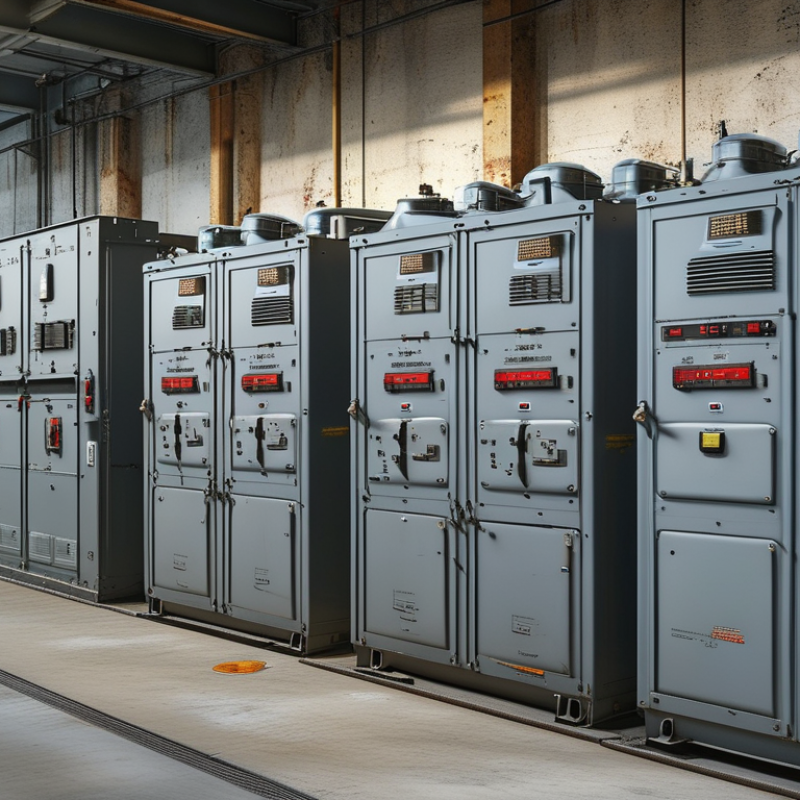
Understanding the Basics of Generator Automatic Transfer Switches
Understanding the Basics of Generator Automatic Transfer Switches
Generator Automatic Transfer Switches (ATS) are crucial for seamless power management. These devices automatically switch the power source from the utility to the generator when an outage occurs. The market for generator ATS is expanding rapidly. According to industry reports, the global automatic transfer switch market is projected to reach $1.9 billion by 2026. This growth reflects the increasing need for reliable backup power in residential, commercial, and industrial settings.
Many people overlook the complexity of an ATS. Choosing the right one requires understanding its components and functionality. A typical ATS consists of a controller, relays, and circuit breakers. The controller senses power loss and triggers the switch to engage the generator. This process usually takes less than 30 seconds, ensuring minimal disruption. However, the installation process can be difficult and requires skilled professionals. It’s important to avoid cutting corners here.
Tips: Validate your energy needs before selecting an ATS. Performing a load analysis helps identify essential circuits. This step is often missed, leading to underperformance or overspending on unnecessary capacity. Regular maintenance of the ATS is vital for reliability. Neglected systems can fail when you need them most, often due to faulty wiring or outdated components. Keeping up with testing schedules can prevent unwanted surprises during a power outage.
Key Features to Look for in an Automatic Transfer Switch
When selecting an automatic transfer switch (ATS) for your generator, it’s essential to focus on key features. The ATS should provide seamless switching between power sources. According to a report by the Energy Information Administration, nearly 20% of businesses experience power interruptions annually. An efficient ATS can minimize this downtime.
One important feature to consider is the switching speed. Faster switches improve responsiveness during power loss. A delay of even a few seconds can lead to critical issues, especially in healthcare facilities where every second counts. Look for switches with a transfer time of 30 seconds or less. Additionally, ensure that the ATS has appropriate load sensing capabilities. This will allow it to manage the energy load efficiently, avoiding overloading and ensuring longevity.
Another crucial aspect is compatibility with your generator's capacity. Not all switches work with every generator size. Ensure the ATS you select matches the wattage and voltage requirements of your generator. The National Electrical Code recommends regular inspections to maintain reliability, yet many users overlook this. Without proper maintenance, even the best ATS can fail when needed most.
Evaluating Power Needs: Sizing Your Transfer Switch Correctly
Choosing the right automatic transfer switch (ATS) is crucial for ensuring seamless power supply. The first step involves evaluating your power needs accurately. A common mistake is underestimating the total wattage required. Consider all appliances, including HVAC systems, refrigerators, and electronic devices, when calculating your needs. Make a detailed list and check their wattage ratings.
Next, consider the load types: resistive loads versus inductive loads. Inductive loads, like motors, need more starting power than resistive loads, such as light bulbs. This may increase the wattage you need to accommodate. You may need professional advice if you're unsure about these calculations. Engage a licensed electrician for accurate sizing. An oversized switch is a waste of resources, while an undersized one can lead to system failures.
Lastly, think about future expansions. You might add more devices later on. Building in extra capacity can save you from future headaches. Adjust your calculations accordingly. It’s also worth noting that factors like voltage drops and environmental conditions can affect performance. Take time to reflect on these aspects. Evaluating your power needs comprehensively is essential for selecting the correct ATS.
Safety Standards and Compliance for Generator Transfer Switches
When selecting a generator automatic transfer switch, safety standards must be a priority. These standards ensure that your generator operates safely during power outages. Notably, compliance with national and local electrical codes is essential. These codes govern the safe installation and operation of electrical systems. Ignoring them can lead to hazardous situations.
Regularly review the safety certifications of the transfer switches you consider. Devices that are UL-listed or certified by recognized bodies meet stringent testing criteria. They undergo rigorous evaluation, enhancing their reliability. It's also crucial to ensure that your installation meets local regulations. Local codes can vary significantly, so understanding them is vital. Failing to adhere can result in penalties or hazards.
Reflect on the installation process as well. Many may overlook professional assistance, thinking they can DIY. Yet, improper installations can compromise safety and functionality. Always engage a qualified electrician to handle these tasks. The right expertise can help avoid mistakes that may arise from incorrect wiring or sizing. Safety is paramount, and close attention to compliance can prevent potential disasters.
How to Choose the Right Generator Automatic Transfer Switch? - Safety Standards and Compliance for Generator Transfer Switches
| Feature | Description | Safety Standards | Compliance |
| Automatic Operation | Switches power automatically in case of an outage. | UL 1008 | Certified for safe operation |
| Manual Override | Allows manual operation if needed. | IEEE 1547 | Ensures compliance with grid safety |
| Load Management | Distributes power to essential loads. | NEC 700 | Meets electrical code requirements |
| Surge Protection | Protects against voltage spikes. | ANSI/IEEE C62.41 | Certified for surge protection |
| Enclosure Type | Weatherproof or indoor options available. | NEMA Ratings | Complies with environment standards |
Installation Considerations for Optimal Performance and Safety
When considering the installation of an automatic transfer switch (ATS) for your generator, safety and performance are paramount. A well-installed ATS ensures a seamless power supply transition during outages. According to the National Fire Protection Association, improper installation can lead to equipment damage and safety hazards, making it crucial to adhere to local codes.
Careful placement of the ATS is essential. It should be near your generator to minimize cable length and reduce voltage drop. The Electrical Contractors Association emphasizes maintaining a distance of no more than 10 feet between the generator and the ATS for optimal efficiency. Consideration for environmental factors is also vital; ensure the ATS is sheltered from harsh weather to prolong its lifespan.
Wiring specifications cannot be overlooked. The American National Standards Institute recommends using the correct gauge wire to prevent overheating. Additionally, grounding is fundamental. A properly grounded ATS reduces the risk of electrical shock and enhances system stability. It's easy to overlook these details, yet neglecting them can result in significant issues down the line.
Generator Automatic Transfer Switch (ATS) Performance Analysis





