How to Choose the Right Gate Valve for Your Project?
Choosing the right Gate Valve for your project can be a daunting task. Gate valves play a crucial role in controlling fluid flow. They are widely used in various industries, including oil and gas, water treatment, and manufacturing.
Understanding the specifications of gate valves is essential. Factors like size, pressure rating, and material can influence performance. It's important to choose a valve that meets the demands of your system. The wrong choice can lead to costly repairs and inefficiencies.
Take time to assess your project's requirements. Evaluate factors such as temperature and medium type. Selecting the right gate valve requires careful consideration. Often, professionals overlook critical details. Engage with industry experts if you're unsure. Making informed decisions can enhance your project's success.
Understanding Gate Valves: An Overview of Functionality and Types
Gate valves are critical components in various plumbing and industrial systems. Their primary function is to control the flow of liquids and gases. Typically, these valves offer a straight flow path, minimizing pressure drop. According to industry reports, about 60% of all valve applications involve gate valves due to their widespread utility.
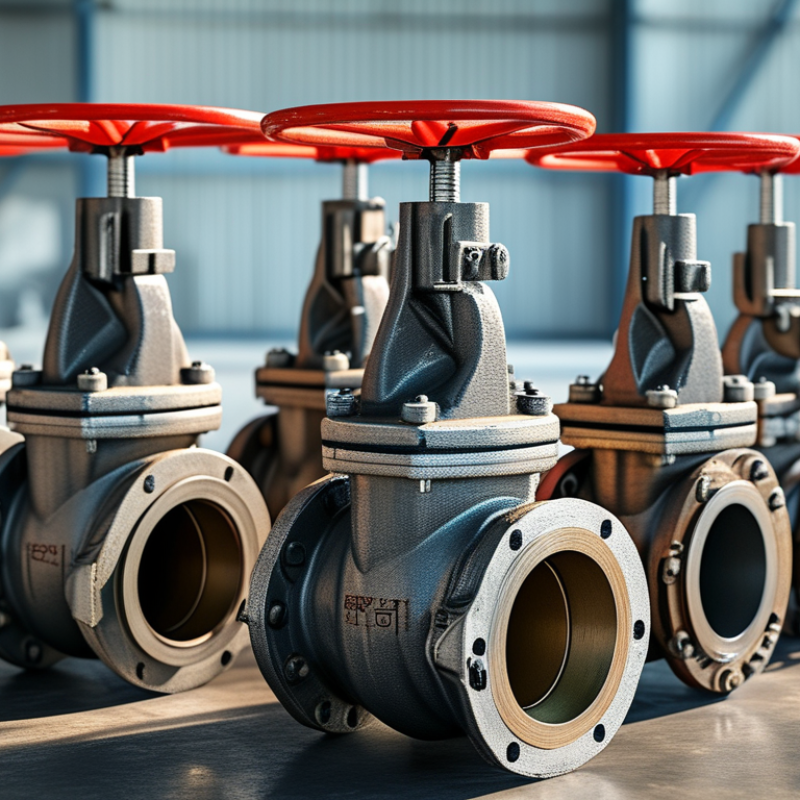
Understanding the different types of gate valves is essential. There are rising stem and non-rising stem variants. Rising stem gate valves are beneficial in applications where operators need to visualize the valve's open or closed status. Conversely, non-rising stem gate valves are ideal for spaces with limited vertical clearance. As per data from the Valve Manufacturers Association, these valves have been reported to offer reliability in high-pressure scenarios. However, they may also have limitations in throttling applications.
While gate valves are designed for on/off control, they may not perform well in situations that require frequent adjustments. Inappropriate usage can lead to erosion or wear, diminishing their lifespan. Regular maintenance and proper application are crucial. Operators must consider project requirements carefully to ensure that gate valves are suitable for their specific needs.
Key Factors to Consider When Selecting a Gate Valve for Your Project
When selecting a gate valve for your project, consider the application. The fluid type and temperature play crucial roles. Certain materials withstand high temperatures better. Others resist corrosion effectively. Understanding these details can help avoid costly mistakes.
Pressure ratings are another key factor. Ensure the valve can handle the system’s pressure requirements. Using a valve rated lower than needed can lead to failures. Evaluate the installation space as well. A large valve in a tight space can complicate maintenance.
Don’t overlook the actuator type. Manual, electric, or pneumatic options exist. Each has specific advantages and limitations. Think about the ease of operation in your environment. Reflect on these considerations to make a sound choice. The right gate valve can significantly impact project efficiency and longevity.
Factors to Consider When Selecting a Gate Valve
This chart represents the key factors to consider when selecting a gate valve for your project. The data illustrates the importance of each factor based on a survey of engineering professionals.
Material Compatibility: Choosing the Right Gate Valve Based on Media
Choosing the right gate valve for your project involves careful consideration of the media it will handle. Different materials react uniquely with various substances. For instance, stainless steel is ideal for water and steam, while PVC might be more suitable for chemicals. Understanding these compatibilities can prevent costly leaks or failures.
When selecting a gate valve, assess the properties of the media. Is it corrosive, abrasive, or viscous? For aggressive chemicals, look for valves made from high-grade alloys. These materials offer better resistance to chemical reactions. It is essential to involve an expert to analyze specific needs, especially for unique applications.
Tips: Always consult the valve manufacturer’s guidelines. A missed compatibility detail can lead to significant issues down the line. Consider conducting tests on a sample before full installation. Also, be cautious about the temperature and pressure limits of your selected valve; exceeding these can lead to performance issues. Reflect on past projects to identify what worked and what didn’t.
Sizing and Pressure Rating: Ensuring Optimal Performance in Your Application
When selecting a gate valve, sizing and pressure rating are crucial for ensuring optimal performance. The valve's size impacts flow rates and pressure drops. A valve that is too small may restrict flow, leading to inefficiencies. Conversely, an oversized valve can cause unnecessary turbulence, affecting system performance. It’s essential to consider the pipe diameter closely when determining the valve size. Standardization can help, but always double-check your measurements.
Pressure rating is another significant factor. Different applications require valves that can withstand varying pressures. Using a valve not rated for the specific pressure can result in leaks or failures. It's essential to review the pressure requirements of your system. Too often, engineers overlook this detail, leading to costly delays or even safety hazards. Testing and feedback from previous projects can offer insights. However, even experienced professionals need to tread cautiously when estimating these requirements. Adjustments may be needed based on actual operating conditions.
Installation and Maintenance Tips for Gate Valves to Enhance Longevity
Proper installation of gate valves is vital for ensuring their longevity. Begin by selecting the right type of valve for your application. Use appropriate tools and follow manufacturer guidelines during installation. Ensure that the pipeline is clean and free from debris. Misalignment can cause leaks and damage, so pay attention to the valve’s orientation. Over-tightening can lead to stress fractures. A gentle hand is often best.
Regular maintenance is crucial for extending the life of gate valves. Inspect seals and gaskets periodically. Check for signs of corrosion or wear. If you notice any issues, address them promptly to prevent failures. Exercise caution when operating the valve to avoid excessive force. It’s often overlooked, but a valve that isn’t used regularly may seize up. Consider implementing a routine exercise schedule for valves that might remain closed for extended periods.
In case of a malfunction, don’t hesitate to seek professional advice. Some issues may require expert intervention, while others can be resolved with careful adjustments. The goal is to ensure a reliable operation without compromising safety. Reflecting on your maintenance practices can reveal areas for improvement, helping you avoid common pitfalls. Investing time in proper care pays off in the long run.
How to Choose the Right Gate Valve for Your Project? - Installation and Maintenance Tips for Gate Valves to Enhance Longevity
| Dimension | Material | Pressure Rating | Temperature Range | Typical Applications | Maintenance Tips |
| 1/2 inch | Brass | 150 psi | -20°F to 200°F | Water supply systems | Regularly check for leaks and corrosion |
| 1 inch | Cast Iron | 250 psi | -20°F to 250°F | Chemical processing | Inspect and lubricate seals periodically |
| 2 inch | Stainless Steel | 300 psi | -20°F to 400°F | Oil and gas pipelines | Ensure tightness of fittings and clean regularly |
| 4 inch | PVC | 150 psi | -10°F to 140°F | Irrigation systems | Check for UV damage and replace if needed |