How to Choose the Right Floating Dock Sections for Your Needs?
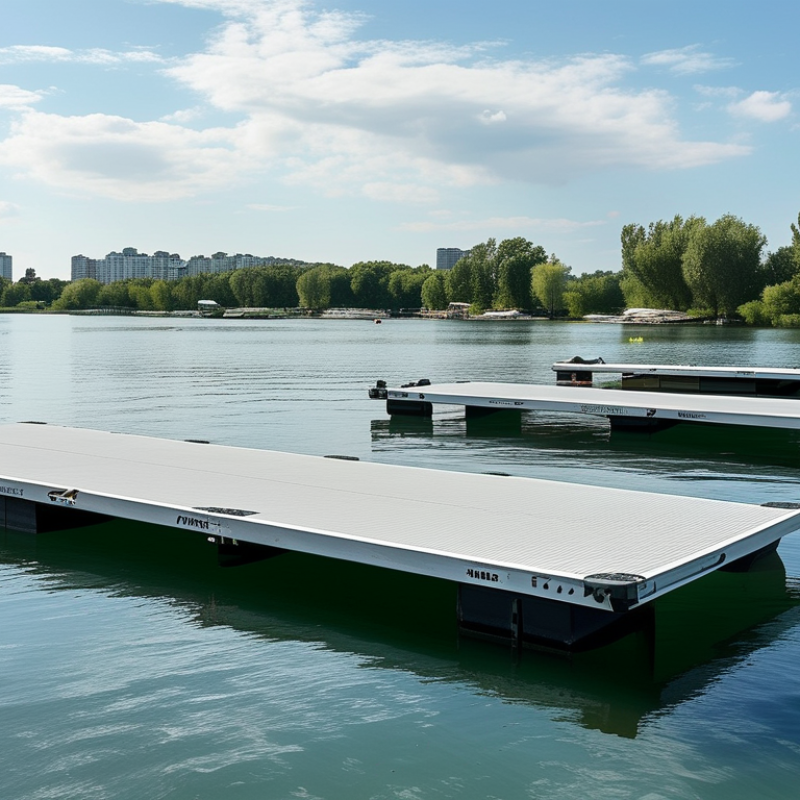
Choosing the right Floating Dock Sections can significantly enhance your waterfront experience. These versatile structures provide access to water activities and improve safety. When selecting Floating Dock Sections, consider your unique needs and environment. Different sections suit various purposes, from recreational boating to fishing.
The materials and design of Floating Dock Sections influence durability and maintenance. High-quality materials resist weathering and ensure long-lasting use. The layout also matters; larger spaces offer more versatility but can complicate installation. Be mindful of weight capacity, especially if accommodating heavy equipment.
Selecting Floating Dock Sections is not a one-size-fits-all approach. Reflect on your lifestyle to make the best choice. Seeking expert advice can guide you through the available options, enhancing your decision-making process.
Factors to Consider When Choosing Floating Dock Sections
Choosing the right floating dock sections can seem daunting. Many factors contribute to the decision, starting with your specific needs. Consider the water depth and potential changes in tide. Docks should sit securely on the water, ensuring safety and accessibility for users. If your area experiences significant tidal shifts, a flexible docking solution may be necessary.
Material is another critical aspect. Polyethylene and aluminum are popular choices. Each offers unique advantages. Polyethylene is lightweight and resistant to corrosion. Aluminum is strong, but it may require more maintenance. Evaluate the weather conditions in your area, as this impacts longevity. Your dock's purpose should guide material choices.
Don't overlook the design and layout. Customizable sections allow for adaptability. Think about how many people will use the dock simultaneously. Crowded docks may require wider sections or additional space. Reflection on your dock's usage helps in making informed choices. The right balance between function and convenience leads to a successful purchase.
Factors to Consider When Choosing Floating Dock Sections
Types of Floating Dock Sections Available in the Market
When looking for floating dock sections, understanding the types available is essential. There are several varieties designed for different uses. Some floating docks are built from polyethylene, offering excellent durability. These sections are lightweight and resistant to corrosion. They work well in areas with fluctuating water levels.
Another common type is the aluminum floating dock. Aluminum docks are known for their strength and longevity. They can support heavier loads, making them ideal for larger boats. However, they may require more maintenance compared to other options.
Wooden floating docks offer a classic aesthetic. They blend naturally with surroundings and are often preferred by recreational users. Yet, they can be prone to rot and require frequent upkeep. Each type has its pros and cons, which reflect unique needs. Think about the size, weight capacity, and environmental impact before making a decision. It’s a choice that can affect your boating experience.
How to Choose the Right Floating Dock Sections for Your Needs?
| Type of Dock Section | Material | Weight Capacity (lbs) | Ideal Use Case | Size (ft) |
| Classic Floating Dock | Polyethylene | 2000 | Small Boats | 8 x 4 |
| Aluminum Floating Dock | Aluminum | 3000 | Heavy-duty Applications | 10 x 5 |
| Modular Dock System | Plastic | 1500 | Recreational | 6 x 3 |
| Floating Jet Ski Dock | High-density Polyethylene | 1000 | Personal Watercraft | 6 x 10 |
| Commercial Floating Dock | Concrete | 5000 | Marinas and Commercial Use | 20 x 10 |
Assessing Your Waterway and Environmental Conditions
When assessing your waterway and environmental conditions, several factors play a crucial role in choosing the right floating dock sections. The specific type of water body influences your decision. For example, saltwater environments require different materials than freshwater ones. The local climate also matters. High winds or heavy snowfall can necessitate more robust dock systems.
Consideration of water depth is essential. Shallower areas might only need basic support, while deeper waters call for specialized designs. Fluctuations in water level can affect the stability of your dock. Look for sections that adapt to changing conditions. Environmental concerns, like marine life habitats, should guide your choices too. A dock that harms local ecosystems is not a wise selection.
Tips: Regularly inspect your dock for damage, particularly in harsher climates. Consider modular designs that can be adjusted or expanded as needed. Always consult local regulations before installation; they can save you from potential issues.
Lastly, keep in mind that aesthetics matter too. Visual harmony with the environment can enhance the overall appeal of your waterfront area.
Budgeting for Your Floating Dock Project
When budgeting for a floating dock project, clarity is essential. Begin by determining how much you're willing to spend. Floating docks vary greatly in price depending on size, materials, and features. It's crucial to understand that while cheaper options may seem attractive, they often lack durability. Investing a bit more upfront can save money and headaches later.
Tips: Always include installation costs in your budget. This can often be overlooked but is vital. Seek quotes from multiple contractors to ensure you get fair pricing. Additionally, consider ongoing maintenance costs. Some materials require more upkeep than others, affecting your long-term budget.
Factor in your specific needs too. Do you require extra space for storage? What about accessories like ladders or lighting? Each addition has a cost. Balancing your desires with financial constraints may feel challenging. Be prepared to adjust your plans if necessary. Remember, prioritizing essential features can help keep the budget on track while still meeting your needs effectively.
Maintenance and Longevity of Floating Dock Sections
Maintaining floating dock sections is crucial for their longevity. Regular inspections are essential. Check for signs of wear, such as cracks or loose connections. These small issues can lead to larger problems. It's easy to overlook minor damage, but neglecting it can increase repair costs.
Cleaning is another key factor. Algae and debris can accumulate, affecting stability. Use a pressure washer to keep surfaces clean. This not only enhances safety but also improves aesthetics. Pay attention to the anchors and connections. They should be secure and rust-free. A little maintenance goes a long way in extending the life of your dock.
Consider seasonal changes. In colder climates, docks may see ice damage. Taking precautions, like removing sections in winter, can prevent costly repairs. Reflection on maintenance practices is necessary. Everyone can overlook something now and then. Regular checks and updates to your approach can yield better results.