How to Choose the Right Flange Banjo Bolt for Your Needs?
Choosing the right Flange Banjo Bolt is crucial for optimal performance in automotive and machinery applications. This specific bolt ensures a secure connection between components, affecting fluid dynamics and overall efficiency. Many factors play a role in selecting the appropriate bolt, including size, material, and thread type.
Understanding these elements can be challenging. A common mistake is to overlook the material compatibility with specific fluids. It’s essential to consider the operating environment as well. Heat, pressure, and exposure to chemicals can greatly impact the durability of a Flange Banjo Bolt. Additionally, not all bolts are created equal; some may not meet industry standards, leading to potential safety issues.
Many users struggle with the vast array of options available. This can lead to confusion and potentially costly mistakes. Gathering expert advice can be helpful. Nonetheless, relying solely on recommendations without understanding the specific application may not yield the best results. Through this guide, we aim to clarify the confusion, providing actionable insights into selecting the ideal Flange Banjo Bolt for your needs.
Understanding Flange Banjo Bolts and Their Functionality
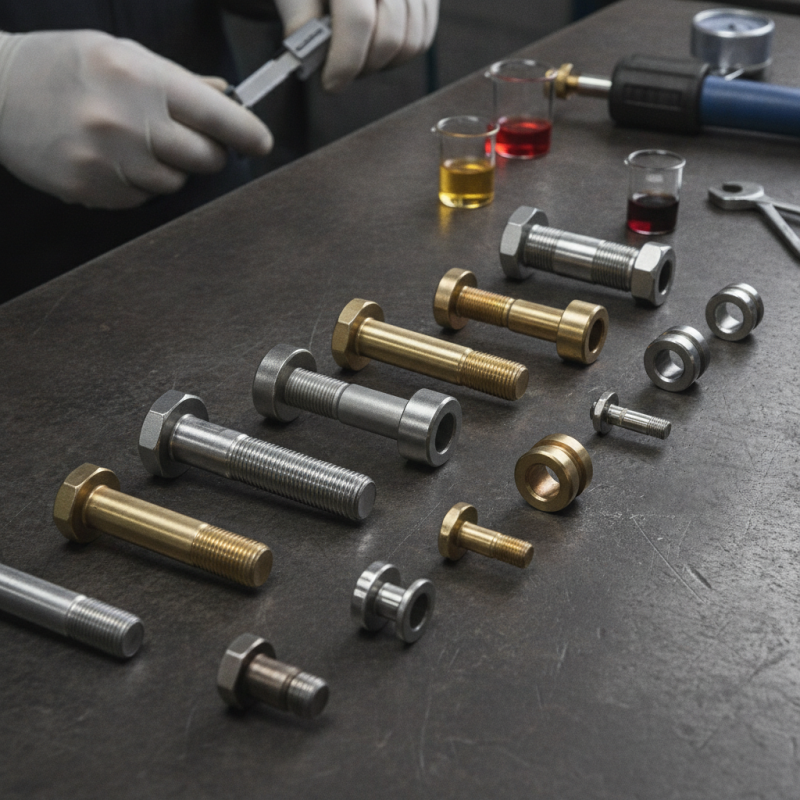
Flange banjo bolts play a crucial role in hydraulic systems, connecting hoses and providing a tight seal. These bolts ensure fluid remains contained, reducing leaks. Understanding their functionality is vital for maintaining system efficiency.
According to industry reports, flange banjo bolts can reach torque values between 20 to 30 Nm in many hydraulic applications. This range is critical for preventing failures. When selecting a bolt, consider its material. Most are made from steel or aluminum, and their choice impacts strength and weight.
Issues can arise from improper installation. A bolt not tightened to specifications may lead to leaking or even catastrophic failure. Regular inspections are essential to ensure all components remain reliable. Inexperienced users may overlook these details, leading to costly repairs and downtime. Ensuring you select the correct flange banjo bolt can greatly enhance system performance and longevity.
Identifying the Different Types of Flange Banjo Bolts Available
When selecting a flange banjo bolt, understanding the various types is crucial. Common types include standard bolts, which are often used in general applications. These bolts have a straightforward design and work with standard flanges. Specialty bolts, on the other hand, are designed for specific requirements. They may feature different materials or unique thread patterns, catering to unique setups.
Tips: Be mindful of the bolt material. Some are made from aluminum for lightweight applications, while others may be steel for enhanced durability. Each material can affect performance and longevity.
Another type is adjustable flange banjo bolts. They allow adjustments to meet specific torque requirements. They are often used in performance applications. Consider what you need based on your bike or vehicle.
In many cases, sizes and thread pitches can vary. Measurement is essential for compatibility. Sizing might look simple, but miscalculations can lead to issues. Always check before purchasing. The intricate details of each bolt can impact their fitting and performance dramatically.
How to Choose the Right Flange Banjo Bolt for Your Needs?
| Type of Flange Banjo Bolt | Material | Thread Size | Length | Common Applications |
| Standard Flange Banjo Bolt | Steel | M10 x 1.0 | 25 mm | Brake systems |
| High-Performance Flange Banjo Bolt | Aluminum | M12 x 1.5 | 30 mm | Racing applications |
| Corrosion-Resistant Flange Banjo Bolt | Stainless Steel | M8 x 1.25 | 20 mm | Marine environments |
| Lightweight Flange Banjo Bolt | Titanium | M6 x 1.0 | 15 mm | Aerospace applications |
Factors to Consider When Choosing a Flange Banjo Bolt
When selecting the right flange banjo bolt, several factors must be taken into account. Start by assessing the specific application of the bolt. Different systems have varying pressure and temperature requirements, which can influence bolt selection significantly. Verify the bolt material for compatibility with fluids used in your system. Common materials include steel and aluminum, but each has its advantages and disadvantages.
Next, consider the thread size and pitch. A proper fit ensures the bolt seals effectively. Mismatched threads can lead to leaks or even catastrophic failures. It’s also important to evaluate the bolt length. Longer bolts may not always be better; they can complicate installation, and excess length may interfere with surrounding components.
Don’t overlook the quality of the sealing washers if used. They enhance the overall integrity of the connection. While many people tend to overlook these details, remember that a small oversight can lead to larger issues down the line. Take your time to ensure you've made the right choice. As you navigate through these options, reflect on past experiences and what worked or didn’t in similar situations. This reflection will guide you toward making a more informed decision.
Flange Banjo Bolt Selection Factors
Materials and Specifications: Selecting the Right Match for Your Project
When selecting the right flange banjo bolt, material and specifications play critical roles. Common materials include stainless steel and aluminum. Stainless steel offers high corrosion resistance, ideal for harsh environments. In contrast, aluminum is lightweight and often more affordable. According to industry reports, stainless steel bolts have a tensile strength reaching up to 800 MPa, while aluminum typically ranges from 200 to 300 MPa. Understanding these materials helps in choosing the right component for specific applications.
The specifications of flange banjo bolts are equally important. Size and thread pitch must match the components they will connect. A mismatch can lead to leaks or component failure, affecting overall project quality. Industry data suggest that up to 15% of failures in hydraulic systems are due to improper bolt specifications. Additionally, considerations like the shear strength and temperature resistance are crucial. An inadequate choice could result in catastrophic failures, creating significant safety hazards.
It’s key to reflect on these decisions carefully. Often, engineers might choose based solely on weight or cost, overlooking material compatibility. Such oversights can lead to complex issues down the line. An informed choice, backed by reliable data, can reduce risks and enhance the longevity of the assembly.
Common Applications and Industries Using Flange Banjo Bolts
Flange banjo bolts are essential components in various industries. They provide reliable connections for fluid transfer applications. Commonly found in automotive, aerospace, and hydraulic systems, these bolts ensure that fluids flow smoothly. In automotive systems, they often connect fuel lines or brake lines to the main system. This connection is vital for performance and safety.
In aerospace, flange banjo bolts help secure hydraulic lines. These bolts can withstand high pressure and temperatures. Their use ensures the integrity of critical systems on aircraft. Additionally, industries that rely on heavy machinery often utilize these bolts in hydraulic applications. They are a go-to choice for creating tight seals that prevent leaks.
When selecting a flange banjo bolt, understanding the application is key. For example, weight constraints might impact the material choice. In some cases, users may overlook factors like corrosion resistance, which can lead to failures. Not considering these details can result in costly repairs and downtime. Choosing the right bolt requires careful thought and expertise, highlighting the need for reliable sourcing and product knowledge in various applications.





