How to Choose the Right Fiber Laser Machine for Your Needs?
Choosing the right fiber laser machine is crucial for maximizing productivity and efficiency in manufacturing. According to a report by MarketsandMarkets, the global fiber laser market is projected to reach $3.7 billion by 2026, highlighting its growing importance in various industries. Selecting the appropriate machine can significantly impact your operational costs and output quality.
Fiber laser machines offer precision cutting and engraving capabilities. Their performance often surpasses that of traditional lasers. However, not all machines are created equal. Different applications may require specific features, such as power range or wavelength. Understanding your unique requirements is essential before making a selection.
It's also important to consider ongoing maintenance and support. This is often overlooked but can affect long-term reliability. Research shows that companies that invest time in machine selection tend to achieve better return on investment. The right fiber laser machine can lead to improved product quality and reduced waste, making it a strategic investment for any business.
Understanding the Basics of Fiber Laser Technology
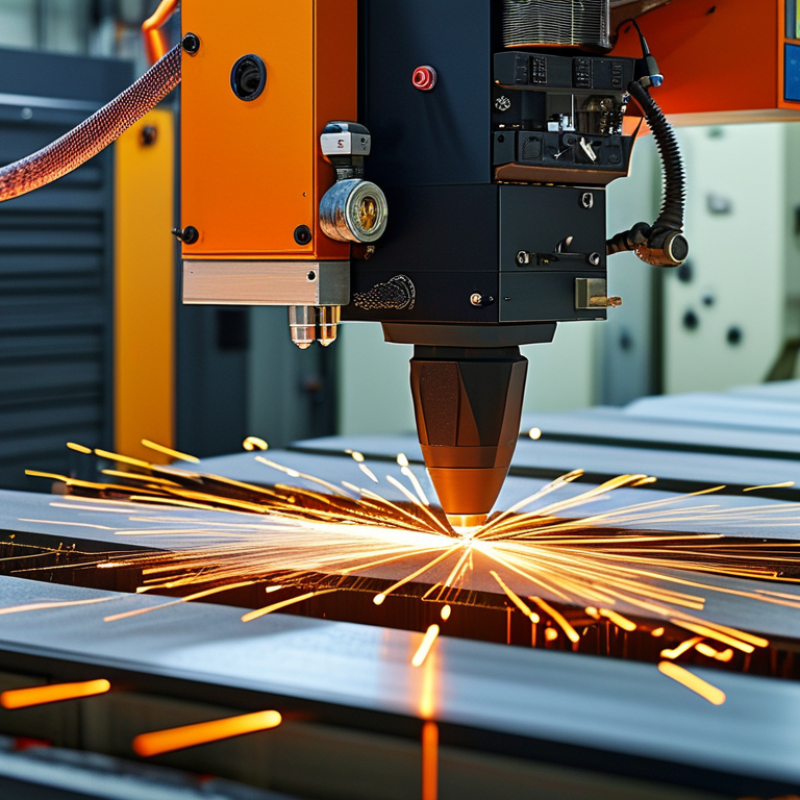
Understanding fiber laser technology is crucial for selecting the right machine for your needs. Fiber lasers use a solid-state laser source. This makes them efficient and reliable. They can cut and engrave a variety of materials, including metals, plastics, and wood. The beam produced is concentrated and has a high-quality finish.
When choosing a fiber laser machine, remember to consider its wattage. Higher wattage often means faster processing times. However, too much power for small tasks can lead to material damage. Balancing these factors is key for optimal results.
Another important aspect is the bed size. A larger bed accommodates bigger projects. But, if your tasks are smaller, a compact machine may suffice. This setup saves space and costs.
Interpreting the specifications of fiber laser machines can be challenging. Always check the cooling system and maintenance requirements. A suitable cooling system ensures longevity. Regular maintenance prevents costly repairs, enhancing reliability. Each choice directly impacts your production quality, so take your time to reflect on your specific needs.
Comparative Analysis of Fiber Laser Cutting Speed vs. Material Thickness
Identifying Your Specific Cutting or Engraving Needs
Identifying your specific cutting or engraving needs is crucial when selecting a fiber laser machine. The right choice can optimize your production efficiency and reduce operational costs. According to a 2022 industry report, companies that tailor their machinery to specific tasks achieve a 30% increase in productivity. Understanding the materials you'll be working with is key. For example, metals, plastics, and wood all require different laser settings and capabilities.
Consider the thickness of materials you'll be processing. For thin sheets, a lower wattage laser may suffice. However, thicker materials may need machines with higher power, potentially 300 watts or more, for effective cuts. The type of cutting, either pure cutting or engraving, also dictates the choice. Engraving often demands different precision levels than cutting.
Evaluate your current and future production demands. An inflexible machine might hinder growth or adaptation to new materials. Adapting your laser settings and understanding how your needs evolve is essential. Occasional overestimation of capabilities may lead to unsatisfactory results. Researching and comparing data on various models can provide clarity. Engaging with industry experts helps refine your requirements, ensuring your choice aligns with your unique operational demands.
Evaluating Power Settings and Speed for Optimal Results
When selecting a fiber laser machine, evaluating power settings and speed is crucial for achieving optimal results. The right power level affects cutting depth and speed. According to industry reports, most fiber lasers operate within a range of 100 to 4000 watts. Lower wattages are suitable for thinner materials, while higher wattages can handle thicker substrates. Striking a balance is essential. Too much power can cause excessive melting, while too little may lead to incomplete cuts.
Speed is equally important; it dictates how fast the machine works. Industry data suggests that optimal cutting speeds vary by material. For instance, stainless steel requires a different speed setting compared to aluminum. A common problem arises when users set speeds too high, resulting in poor edge quality. Many operators often overlook the relationship between speed and power, leading to unsatisfactory outcomes. Understanding your material's specific characteristics can guide better decisions.
Optimizing these settings demands hands-on experience and expertise. Testing different combinations can reveal unexpected results. It is not about finding a perfect formula; rather, it involves a process of reflection and adjustment. Laser cutting technology is constantly evolving, and staying informed on the latest techniques is key. Keeping an eye on real-world data helps in making informed adjustments for laser operations, ensuring reliability and precision in all cuts.
Comparing Costs and Budget Considerations
When choosing a fiber laser machine, budget is a critical factor. Industry reports indicate that prices can range from $10,000 to over $100,000, depending on features and capabilities. Understanding your specific needs can significantly impact your cost analysis. A lower-priced machine might save money upfront but may lack performance and efficiency. In contrast, investing in a higher-end model could provide long-term savings through lower operational costs.
Maintenance is another budget consideration. Regular maintenance ensures optimal performance and longevity. Neglecting it can lead to unexpected repair costs, which could offset initial savings. According to data from the Laser Institute of America, proper maintenance can increase a machine's lifespan by up to 50%. Evaluating potential ongoing expenses is essential for a complete financial picture.
It’s also important to consider ancillary costs, including installation, training, and operational training. A skilled operator can enhance production efficiency. Some estimates suggest that an efficiently operated machine can yield a productivity increase of 30% or more. Take time to analyze total ownership costs rather than focusing solely on the purchase price.
Researching Manufacturers and Models for Reliability
When researching manufacturers of fiber laser machines, prioritize their reputation. Look for established companies with a proven history in the industry. Reviews and testimonials from other users can provide valuable insights into reliability. Reach out to forums or groups that focus on laser cutting technology. Engaging with experienced users can reveal potential issues that new buyers might overlook.
Models vary significantly in features and performance. Identify the specific applications you need the laser for. If possible, arrange demos or test runs. Observe the machine's cutting quality and speed in real-time. Take notes on user experience as it can reveal both strengths and weaknesses of a model. Production reliability often hinges on the machine's components, so scrutinizing technical specifications is crucial. Be cautious, as not all flashy features translate to better performance or durability.
Consider the after-sales support and warranty options that manufacturers provide. A solid warranty shows confidence in their products. However, don’t be swayed solely by warranty offers; probe deeper into the support service. Ask previous buyers how responsive the manufacturer was when addressing their issues. This aspect can significantly influence long-term operational success. Remember, making a well-informed decision is vital to avoid costly errors down the line.