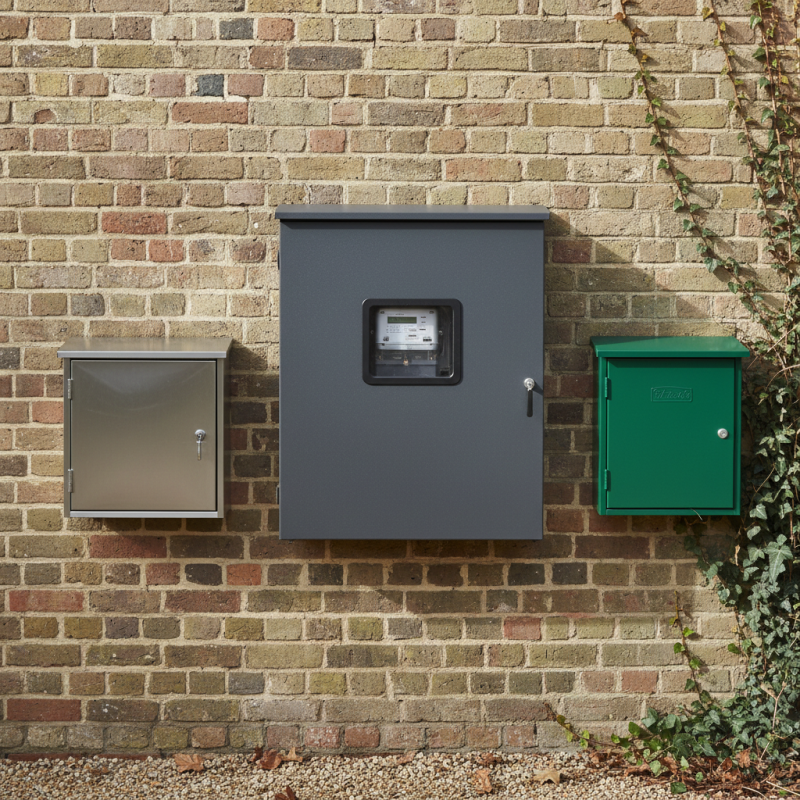
How to Choose the Right External Electric Meter Cabinet?
Choosing the right External Electric Meter Cabinet is crucial for any project involving electricity management. According to industry expert John Smith, "The right cabinet ensures safety and efficiency in electricity distribution." This choice impacts not only installation but also long-term maintenance.
Consider the material and size of the External Electric Meter Cabinet. It needs to withstand environmental conditions. Many forget that improper sizing can lead to future issues. The location of installation is equally important. It dictates how easily technicians can access it for maintenance.
It's essential to weigh the pros and cons of available options. Some cabinets offer better security features, while others focus on aesthetics. Reflecting on these factors helps you avoid costly mistakes later. A well-chosen cabinet protects your investment and enhances functionality.
Types of External Electric Meter Cabinets Available in the Market
When selecting an external electric meter cabinet, understanding the types available is crucial. Common options include wall-mounted cabinets, free-standing models, and outdoor enclosures. Each type serves unique purposes and comes with distinct features. For instance, wall-mounted cabinets are ideal for tight spaces, while free-standing models provide flexibility in placement.
A 2023 industry report shows the growing demand for outdoor enclosures, driven by the rise in renewable energy sources. These cabinets often feature advanced weatherproofing. As a result, they ensure the protection of electrical components from harsh environmental conditions. In contrast, wall-mounted designs prioritize accessibility and ease of installation. However, they may lack in durability against extreme weather, which is a point of consideration.
It's important to evaluate the material of the cabinet. Steel cabinets offer strength but can be prone to rust without proper coatings. Conversely, plastic enclosures resist corrosion but may struggle in high temperatures. Consider the electrical load when choosing. A cabinet that is too small can lead to overheating issues. Therefore, selecting the right external electric meter cabinet requires careful consideration of your specific needs and the conditions it will face.
How to Choose the Right External Electric Meter Cabinet? - Types of External Electric Meter Cabinets Available in the Market
| Type | Material | Size (cm) | Weather Resistance | Locking Mechanism | Price Range (USD) |
| Standard Meter Cabinet | Steel | 60 x 40 x 20 | IP54 | Key Lock | 150 - 250 |
| Weatherproof Cabinet | Aluminum | 70 x 50 x 25 | IP66 | Combination Lock | 200 - 350 |
| Smart Meter Cabinet | Plastic | 65 x 45 x 22 | IP65 | Electronic Lock | 180 - 300 |
| Heavy-Duty Cabinet | Stainless Steel | 80 x 60 x 30 | IP67 | Key Lock | 300 - 500 |
Key Features to Consider When Selecting an Electric Meter Cabinet
Choosing the right external electric meter cabinet is crucial for safety and efficiency. When selecting a cabinet, consider key features that align with your needs. First and foremost, the cabinet’s material is vital. Steel and aluminum options are common. Steel often provides better durability against harsh weather. However, aluminum is lighter and corrosion-resistant.
Another important aspect is size. The cabinet should hold your electric meter securely while allowing for future upgrades. According to industry reports, 45% of installations are challenged by inadequate space for additional equipment. Ensure your selected cabinet has ample capacity for expansion. Additionally, ensure the equipment meets local codes and standards, as compliance can prevent costly fines.
Ventilation is also essential. Proper airflow reduces heat build-up, extending the lifespan of the meter. A report from the International Electrotechnical Commission indicates that proper ventilation can improve operational efficiency by up to 30%. Dust and moisture barriers should also be in place to protect sensitive components. It's easy to overlook these details, but they play a significant role in the longevity and functionality of your meter cabinet.
Factors Influencing the Size and Capacity of Meter Cabinets
Choosing the right external electric meter cabinet involves understanding several factors. The size and capacity of your meter cabinet are influenced by the electrical load of your building. Larger buildings require more space for wiring and connections. Consider the number of circuits you need. This will affect not only the cabinet size but also its layout.
Environmental conditions also play a significant role. If the cabinet will be exposed to extreme weather, it should be larger to accommodate additional insulation. Installation location matters, too. An outdoor cabinet may need more space for ventilation to avoid overheating. Check local regulations that might dictate cabinet dimensions or materials.
Finally, it's essential to plan for future needs. You may not require extra capacity now, but expansion possibilities should be considered. An inadequate cabinet can lead to costly upgrades later. Reflect on your current and future electrical requirements before making a choice.
Material Options for Durable and Weather-Resistant Meter Cabinets
Choosing the right material for your external electric meter cabinet is crucial for durability and weather resistance. Common options include steel, aluminum, and high-quality plastics. Steel cabinets provide robust protection but may rust if not properly coated. Aluminum cabinets are lightweight and resistant to corrosion, ideal for various climates. High-quality plastics offer flexibility and resistance to impact, but may not withstand extreme temperatures as well.
When selecting a material, consider your local weather conditions. Rainy or humid areas necessitate more rust-resistant materials like aluminum. In contrast, places with extreme heat might benefit from insulated plastics. It’s essential to think about installation locations too. Open areas might require sturdier options against potential vandalism.
Tips: Always check for proper seals and ventilation, which help maintain optimal performance. Consider conducting regular inspections on your cabinet to spot wear and tear early. A proactive approach ensures longevity and reliability in your electric meter cabinet. Your choice of material can significantly impact its durability, making your selection process highly significant.
Installation Guidelines for External Electric Meter Cabinets
When considering the installation of external electric meter cabinets, several critical guidelines must be observed. The location matters. Ideally, the cabinet should be accessible for meter readings and maintenance. The National Electrical Code (NEC) suggests that meters should be located within a certain distance from the main electrical panel. This distance is generally no more than 30 feet. Following the NEC helps ensure compliance and safety.
Selecting materials for the cabinet is just as vital. The cabinet should be weatherproof to withstand various environmental conditions. According to the National Institute of Standards and Technology (NIST), outdoor cabinets made of metal or high-grade plastics have a longer lifespan. Using proper insulation and protection against pests is crucial as well. The failure to address these factors can lead to costly repairs or even safety hazards.
Proper ventilation within the cabinet is often overlooked. Insufficient airflow can cause overheating, which may damage metering equipment. A report by the International Electrotechnical Commission (IEC) emphasizes that maintaining an optimal temperature range is crucial for the longevity of electrical components. Ensure vents are positioned strategically to promote airflow while preventing moisture buildup.